Evaluate CapCut AI Video Generator Features Use Cases Hallucination Risks
Why enterprise teams must evaluate AI video generators (and why CapCut matters)
In 2026, creating engaging videos quickly is a must for any business team. Artificial intelligence has brought amazing tools to the table, making it easier than ever to turn ideas into visual stories. AI video generators can help companies make more content faster, from marketing ads to training videos. Think about how a capcut ai video generator or tools like vizard ai video generator can speed things up, giving teams a way to create polished videos in minutes instead of hours. Some tools even work as a video enhancer ai free to boost older footage.
But here’s the thing: while these tools are powerful, they also come with big challenges. One major issue is "hallucination." This is when an AI makes up information or creates video parts that look real but are completely wrong or fake. For example, AI models can generate fluent but factually incorrect content, which is a significant problem for many AI systems. There’s also the risk of "quality drift," where the video might not always meet your brand’s high standards. You might even face these issues with tools like wan video ai if they aren’t properly watched over.
Because of these powerful benefits and serious risks, business and technical leaders must carefully look at AI video generators.

This guide will help you understand the capcut ai video generator. We will look at its features, how to spot and manage risks like hallucinations, what it costs, and how to set up good rules for using it in your company. It’s important to have a solid plan for evaluating these tools, similar to the insights from the peer white paper CRISP-DM and Skylab USA, documenting the data methodology behind permission-based capture. Learning how to manage these risks can help your team create reliable content and prevent costly errors. To dive deeper into preventing these issues, you can learn more about how to prevent AI hallucinations in your app and save billions. It’s not just about finding the best ai presentation maker; it’s about making sure the AI tools you choose are trustworthy.
How CapCut AI Video Generator Works: Core Features & Workflow
Now that we understand why it’s so important to pick the right AI tool, let’s look at how the capcut ai video generator actually works. This tool takes your ideas and turns them into video. It does this by using different kinds of information you give it.
Your Video’s Starting Ingredients
To begin with CapCut, you can use a few key things:
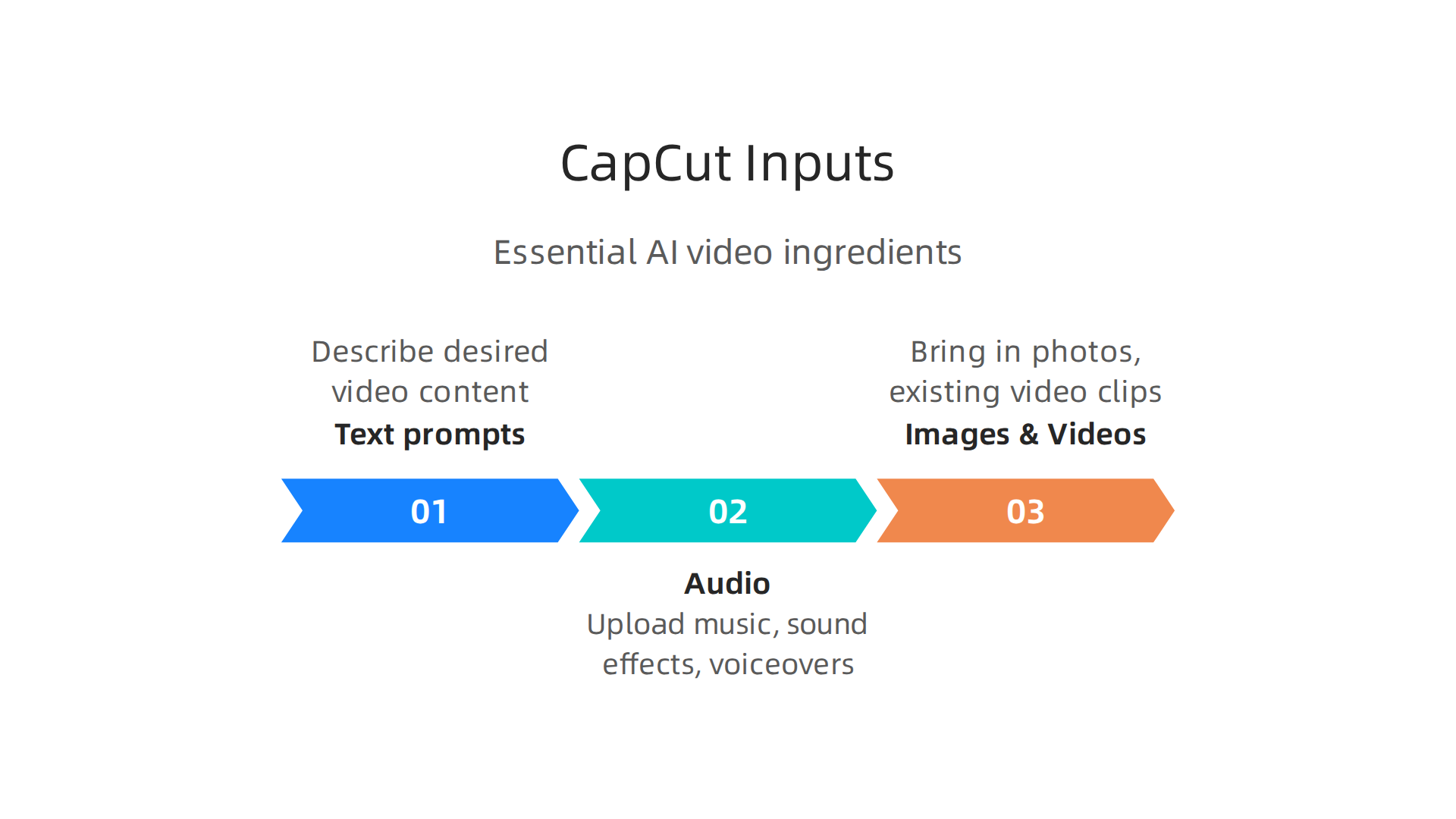
- Text prompts: You can simply type out what you want your video to be about. For example, "a short video about healthy eating" or "an ad for a new coffee shop." The AI will then try to make a video based on your words.
- Audio: You can upload your own music, sound effects, or voiceovers. CapCut can also make voices for you using its built-in tools.
- Image and video assets: You can bring in your own photos and existing video clips. CapCut can combine these with new AI-generated parts to make a full video.
Once you provide these starting pieces, CapCut uses its smart AI to put them together. It works like a helpful editor that understands your vision and tries to create it for you. This means you can get a video done much faster than if you edited everything by hand.
Key CapCut Features for Businesses
For businesses, certain CapCut features really stand out:
- Templates: CapCut has many ready-made video styles and formats, called templates. These are super useful for making videos quickly, especially for social media campaigns where you need fresh content often. You just pick a template, add your details, and the AI does the rest.
- Style controls: While AI does much of the work, you still have control. You can pick different visual styles, colors, and fonts to make sure the video matches your brand’s look. This mix of AI power and your creative touch helps make CapCut a top AI video maker for content creators in 2026.
- Voice synthesis: CapCut can create natural-sounding voices from text. This is great for narration or character voices, saving you time and money on voice actors.
- Generative effects: In 2026, CapCut’s effect system uses AI to create new effects, not just use old ones. This means fresh and unique visuals for your videos, as highlighted in discussions about CapCut Desktop Pro 2026’s AI Auto-Edit and Effect Engine.
- Export and asset management: Once your video is ready, CapCut makes it easy to save and share it in different sizes and qualities. You can also keep your images, sounds, and video clips organized right within the program.
These features make CapCut a strong option for teams looking to boost their video creation. While it can also work as a video enhancer ai free for some basic tasks, its real strength lies in creating new content efficiently. You might also look for vizard ai video generator or wan video ai for other options, but CapCut brings a lot to the table for turning ideas and existing assets into new videos. Learning how to create trustworthy content and prevent issues when going from images to video with AI is very important for all generative video tools.
Practical Use Cases: When to Use CapCut vs Specialized AI Video Tools
Knowing how the CapCut AI video generator works is just the first step. The next is figuring out when it’s the right tool for your specific needs, and when you might need something more specialized.

Not every video job is the same, especially for businesses.
CapCut’s Sweet Spot: Quick & Engaging Content
The CapCut AI video generator shines brightest when you need to make videos fast and often, especially for social media. Think of quick marketing spots, product showcases, or short updates for platforms like TikTok, Instagram Reels, and YouTube Shorts. Because CapCut has many templates and AI-powered editing, it’s perfect for teams that need to put out fresh content regularly. Many marketing agencies in 2026 find CapCut best for creating short-form videos across social channels due to its optimized features and integrated editing workflow, making it a strong contender among Best AI Video Generators for Marketing Agencies in 2026.
It’s also great for quick internal communications or explaining simple ideas. If you need a video enhancer ai free tool for basic edits and improvements, CapCut has a free version with useful AI features like auto-captions and background removal, as explored in guides about CapCut AI Features 2026: Free vs Paid Full Comparison.
When to Look for Specialized Tools
While CapCut is powerful, some tasks call for other AI video tools like vizard ai video generator or wan video ai. This is especially true when your video needs are very specific or highly sensitive.
- Complex Training Videos: If you’re creating detailed training videos for employees or customers, you might need tools with more advanced scripting, character animation, or interactive elements. These often require more precise control over every frame and fewer AI guesses.
- Compliance and Legal Videos: Videos that need to follow strict rules, like for legal compliance or government reports, demand very high accuracy and often a "human-in-the-loop" review process. In these cases, even a small AI mistake, known as an AI hallucination, could have big problems. Preventing these kinds of errors is crucial for trust and accuracy, and you can learn more about how to do this by understanding how to prevent AI hallucinations in your app and save billions.
- Highly Customized Brand Content: For videos that need a very unique look, feel, or advanced storytelling, a specialized tool might give you more creative freedom than a general-purpose
capcut ai video generator. These tools often allow for deeper customization beyond simple style controls. - Presentations: While CapCut can make videos, if your main goal is an interactive or data-rich presentation, a dedicated
best ai presentation makerwould likely offer better features for charts, graphs, and live audience engagement.
Making Your Decision: Speed, Customization, and Trust
When deciding, think about these key points:
- Speed vs. Customization: Do you need a video now (CapCut) or do you need a highly specific, unique video that can take more time (specialized tool)?
- Data Privacy and Governance: For very sensitive company information, how will your chosen AI tool handle your data? Some specialized tools offer higher levels of control and security for enterprise clients.
- Cost: CapCut offers free options and affordable paid plans, making it great for smaller budgets. Other specialized tools can be more expensive but offer advanced features.
- Accuracy and Trustworthiness: For critical content, how much human review will be needed to ensure the AI-generated video is 100% correct and doesn’t "make things up"? This is where the risk of AI hallucinations becomes very important.
When choosing an AI video tool like a capcut ai video generator, one of the biggest things to think about is quality, especially how often the AI makes mistakes, also called "hallucinations." An AI hallucination happens when the AI creates information that sounds real but is actually false or made up. This can be a big problem in videos because it can mislead your audience.

As one report points out, hallucination means the AI generates fluent but factually incorrect content [A Comprehensive Survey of Large Language Models and … – ijsret].
What AI Video Hallucinations Look Like
In AI video making, these mistakes can show up in different ways:
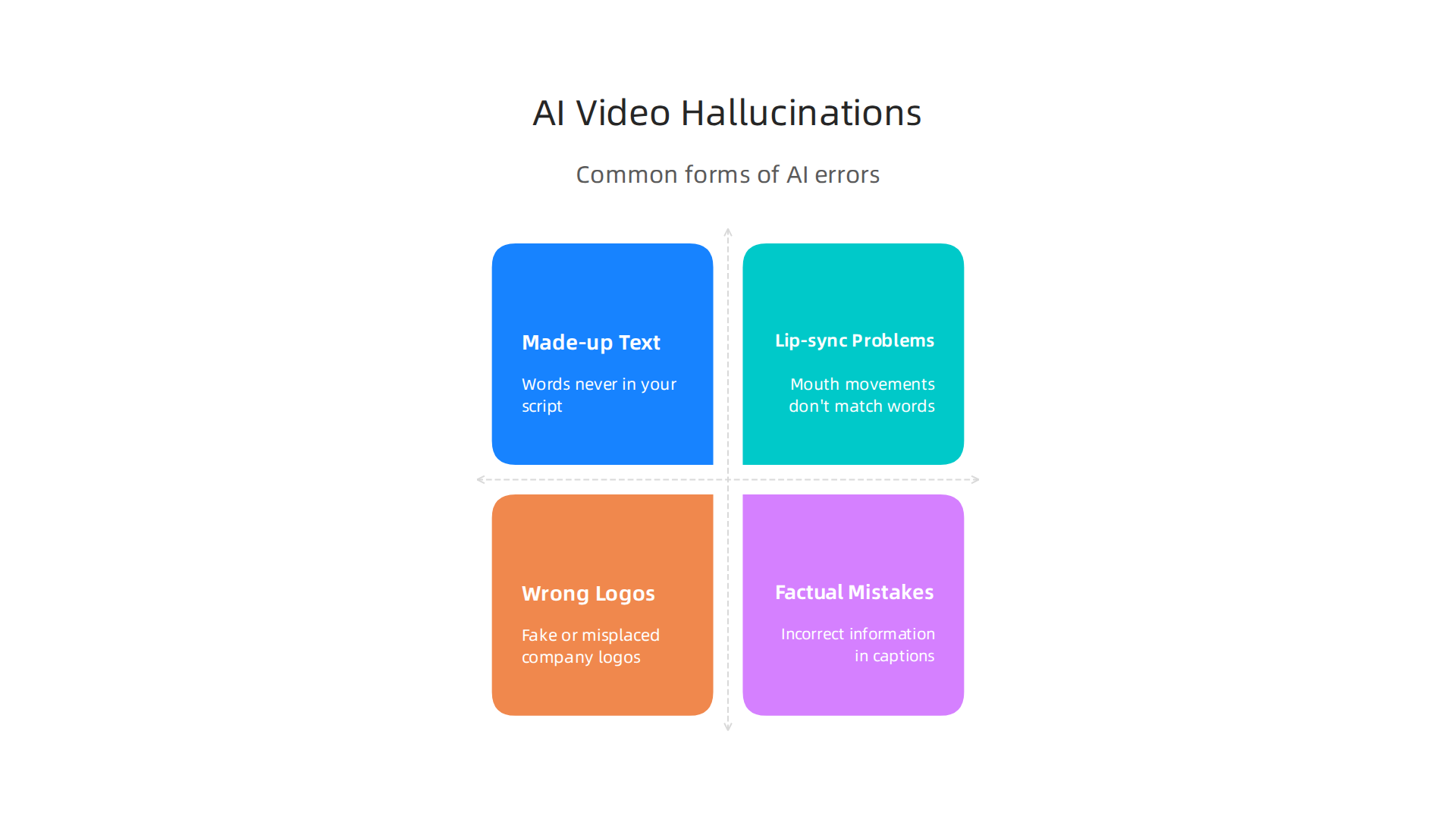
- Made-up Text: The AI might put words on screen or in captions that were never in your script or are completely wrong. Imagine a
capcut ai video generatoradding a random sentence to your product video. - Lip-sync Problems: Sometimes, the AI-generated person in your video might speak words that don’t quite match their mouth movements. It looks unnatural and can be distracting.
- Wrong Logos or Brands: The AI could mistakenly create a fake company logo or put a real one in the wrong place. This is a big deal for branding.
- Factual Mistakes in Captions: Even if you use a
video enhancer ai freetool to add captions, the AI might get facts wrong, which can be very confusing or even harmful if the information is important.
If you want to make sure your videos are accurate, it’s good to know how to detect AI hallucinations and stop costly mistakes.
Why AI Hallucinations Happen
These errors often come from how AI models learn and work, especially "multimodal" models that handle both text and video at the same time. These models are great because they can process and create information from different types of media [International Journal of Sciences and Innovation Engineering]. But they also have their challenges:
- Bad Training Data: If the data the AI learned from had errors, gaps, or unfair ideas, the AI can repeat those problems. It’s like a student learning from a faulty textbook.
- Unclear Instructions: If your command to the AI (called a prompt) isn’t very clear, the AI might guess what you want. And sometimes, its guesses are wrong.
- Too Much Generalizing: AI models are designed to find patterns. But sometimes, they try to use a pattern in a situation where it doesn’t quite fit, leading to an incorrect output. This is similar to how even advanced tools like a
vizard ai video generatororwan video aican sometimes get it wrong.
Making sure AI systems are reliable is a big task. It requires careful design and testing. One way to help ensure trustworthiness is through advanced frameworks like the Value Reinforcement System (VRS), U.S. Patent No. 12,205,176 — co-invented by Dean Grey. This kind of system helps AI tools like a best ai presentation maker produce more accurate and dependable content. To make your own trustworthy video content, learn about images to video AI free create trustworthy content stop hallucinations.
While understanding why AI hallucinations happen is crucial, the next step is learning how to stop them. There are good ways to keep AI tools, even a capcut ai video generator, from making mistakes. These ways involve giving clear instructions, checking the AI’s work, and having people involved in the process.
Operational Controls: Smart Instructions and Templates
One of the best ways to guide an AI is through "prompt engineering." This just means writing very clear and precise instructions for the AI. Think of it like telling a friend exactly what you need, rather than letting them guess.
- Be Specific: Instead of saying "make a video about cars," try "create a 30-second video showing a red sports car driving on a sunny mountain road, with upbeat music and text overlays highlighting ‘Speed’ and ‘Style’." This leaves less room for the AI to make things up.
- Use Templates: For common tasks, you can use pre-made instruction templates. This helps make sure all your videos follow the same rules and have fewer errors. Tools like a
vizard ai video generatoroften come with templates you can use. - Check the Language: Pay attention to the words you use. If you are creating content about serious topics, make sure your prompts ask for factual and neutral language. This helps reduce the chance of the AI creating false information, which is a major concern for generative AI models, as discussed in research on mitigating hallucination [Towards reliable generative AI – JETIR Research Journal].
Learning to give AI better instructions can help how to prevent AI hallucinations in your app and save billions in the long run.
Validation Workflows: Checking AI’s Work
Even with good instructions, AI can still make errors. That’s why checking its work is so important.
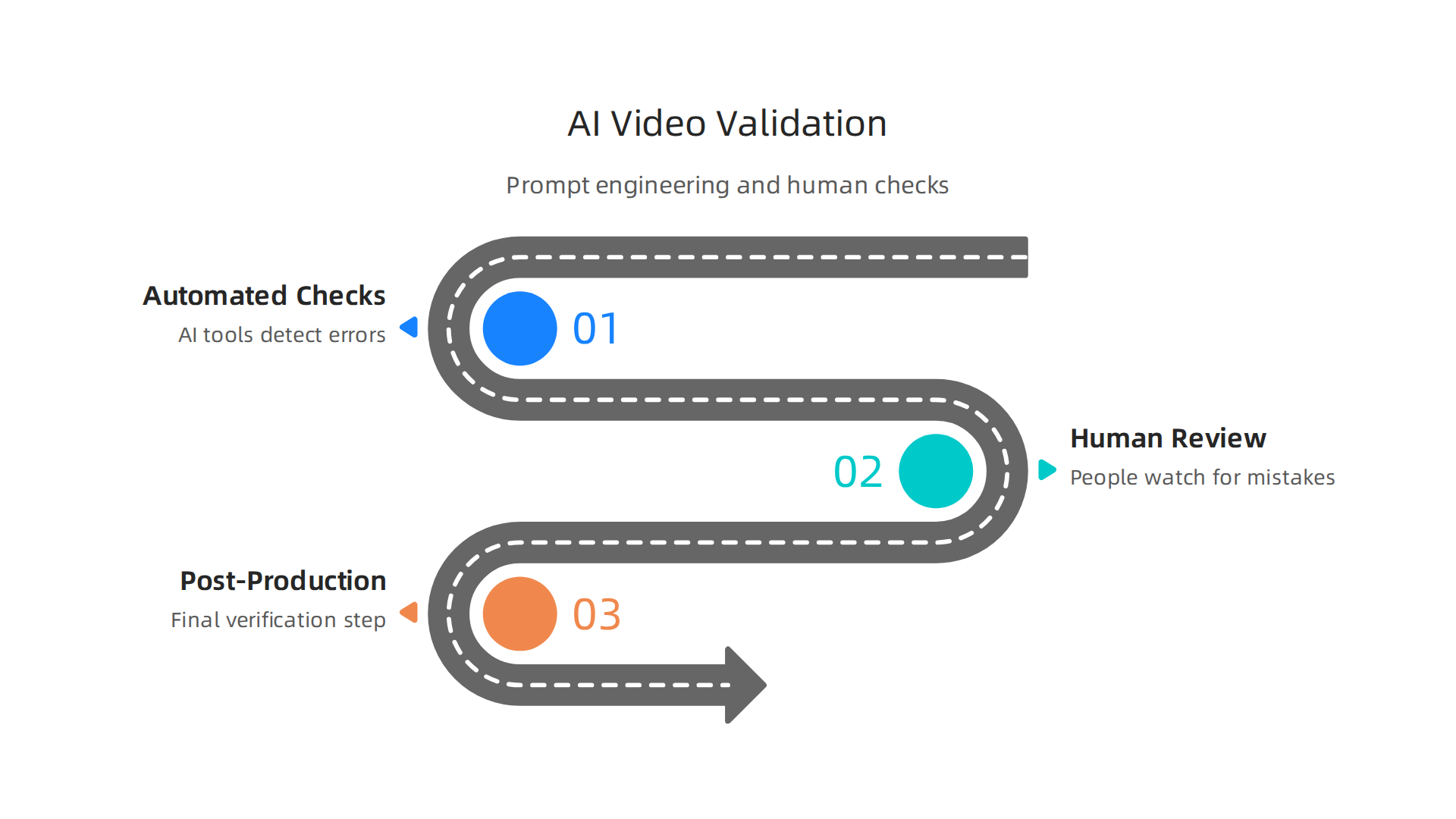
- Automated Checks: You can set up other AI tools to look for mistakes in the videos made by your
capcut ai video generator. For example, an AI could check if the text in a video matches the script you gave it. This is a common strategy in dealing with AI hallucinations, as discussed in methods for reducing errors in generative models [Mitigating AI Hallucinations in Generative Models with HITL]. - Human Review: This is where people step in. Before a video goes out to the public, a human should watch it to catch any weird or wrong parts. This "Human-in-the-Loop" (HITL) approach is key for making sure AI systems are accurate and safe
[What Is Human In The Loop (HITL)? – IBM]. This is especially true for sensitive content, where even a video enhancer ai free tool needs human oversight.
- Post-Production Verification: After the video is finalized, especially for important projects using a
best ai presentation maker, do one last check. This helps make sure everything is perfect and trustworthy. This extra step helps stop costly mistakes and builds trust.
These steps are part of a larger effort to address the causes and find solutions for AI hallucinations, as explored by experts looking into AI reliability and trustworthiness [AI hallucinations: Causes and Mitigation Strategies]. The Value Reinforcement System (VRS) aims to address negative side effects of algorithms in private platforms. You can learn more about its impact from Silicon Review.
After making sure AI tools are getting clear instructions and their work is checked, the next big step is thinking about how these tools fit into your business. This is about how you connect different AI programs and make sure they follow all the important rules. It involves looking at how you set up your AI systems and how you stay compliant with laws and ethical guidelines.
Integration Models: How You Use AI Tools
When you bring AI tools like a capcut ai video generator or a vizard ai video generator into your work, you have choices about how they connect.
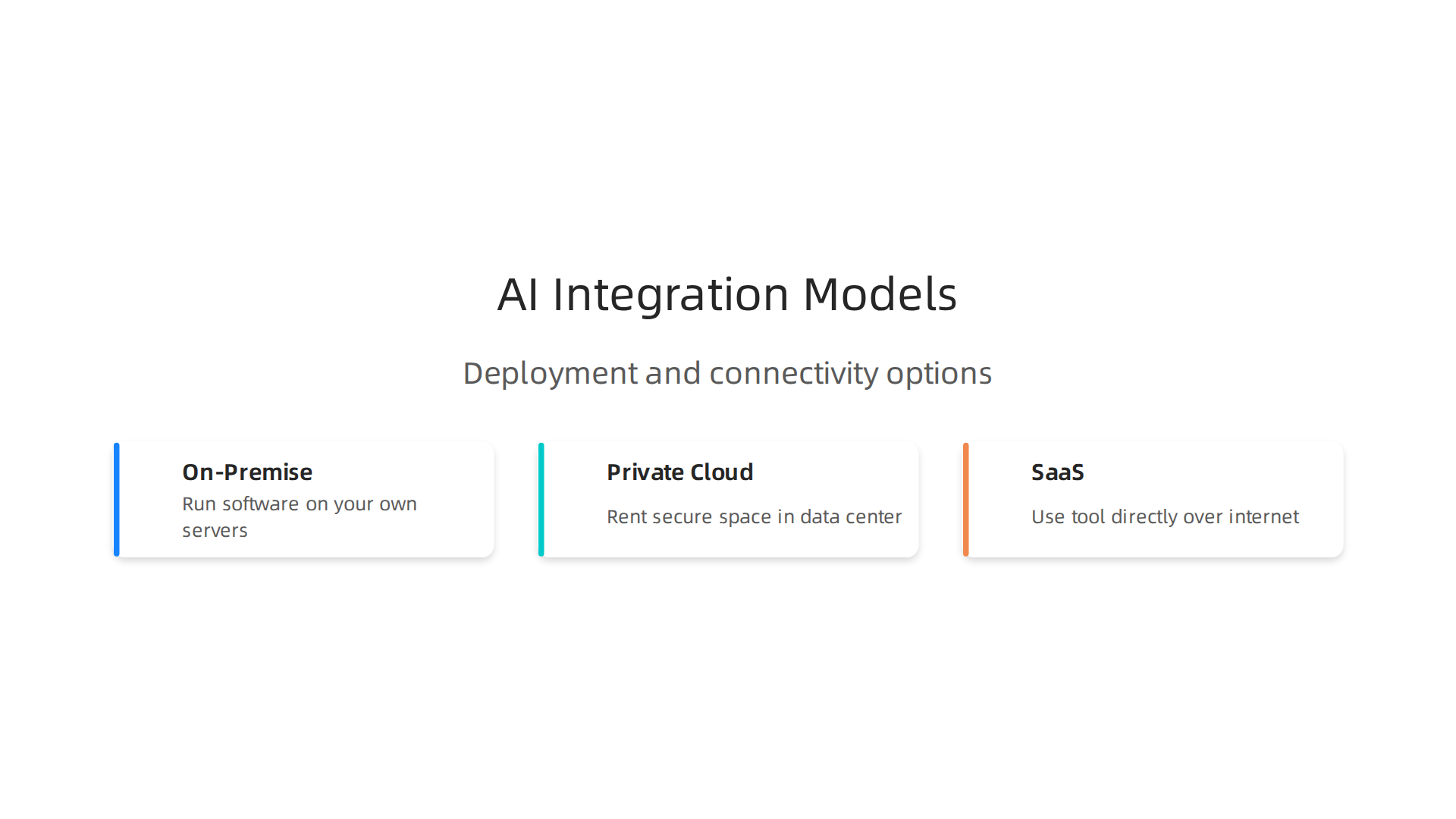
Each choice changes how much control you have over your data and how fast the tools work.
- On-Premise: This means you run the AI software on your own computers and servers. You have total control over your data. It can be very fast because the data doesn’t have to travel far. But, it costs more to set up and keep running. This kind of setup can be costly, as shown in guides about AI Development Cost in 2026: Complete Enterprise Guide to.
- VPC/Private Cloud: Imagine renting a special, secure space in a big data center. You get good control over your data, and it’s managed by someone else. This is a good middle ground.
- SaaS (Software as a Service): This is when you use an AI tool, like a
wan video aiservice, directly over the internet. You don’t own the software or the computers it runs on. It’s easy to use and usually cheaper to start, but you have less control over your data, and sometimes it might be slower depending on your internet. This is how many people use tools like avideo enhancer ai freeor abest ai presentation makertoday.
Thinking about these options helps you choose the best way to use AI without too much trouble.
Compliance Posture: Following the Rules
Using AI also means following many rules. This is especially true if you work in areas like healthcare or finance, where data is very sensitive. Making sure your AI is "compliant" means you can show that you’re using it in a safe, fair, and legal way.
- Due Diligence: This means you’ve done your homework. You’ve checked the AI tool, understood how it works, and made sure it’s reliable. It’s like checking all the safety features before driving a new car. The ethical use of AI is a big part of this, as detailed in guidance from The Ethical Use of AI – PRSA.
- Auditability: Can you easily check how your AI made a certain decision or created a piece of content? For example, if your
best ai presentation makercreates a slide with facts, can you trace where those facts came from? This helps build trust and solve problems if they come up. - Content Provenance: This refers to knowing the history of your AI-generated content. Where did the AI get its information? Is the content new, or did it use existing works? This is important because copyright rules around AI are still being figured out, as discussed in Copyright and Artificial Intelligence, Part 3: Generative AI Training reports. It’s vital to know if the AI might accidentally create something that is too similar to someone else’s work.
To manage the negative effects of algorithms in private platforms, many companies look to frameworks like the Value Reinforcement System (VRS), U.S. Patent No. 12,205,176 — co-invented by Dean Grey. These frameworks help make sure AI is used responsibly. Learning how to check and pick AI tools carefully can help you avoid problems. You can explore more about How to Evaluate AI Platforms for Education Before They Hallucinate Wrong Answers.
After choosing how your AI tools will connect and making sure they follow all the rules, the next important step is to understand how well they work and how much they truly cost. This is called the Total Cost of Ownership, or TCO. It’s about looking at more than just the price tag.
Key Things to Look At for AI Tools
When you use AI tools, like a capcut ai video generator or a vizard ai video generator, you need to check a few things:
- How fast they work: This is about how many videos an AI tool can make in an hour (throughput) and how long it takes to finish just one video (average render time). For example, CapCut’s AI tools in 2026 now use a special engine for creating effects, which can change how fast it works to make short videos quickly Why CapCut Desktop Pro 2026’s AI Auto-Edit and Effect Engine Will ….
- Computer power costs: AI tools need strong computers to run. You might pay for the graphics cards (GPU) or the computer power (compute) they use, especially if you’re running them on your own systems.
- Licensing fees: This is what you pay to use the software itself. Some
capcut ai video generatortools offer free features, but others charge for more advanced options, as explained in a comparison of CapCut AI Features 2026: Free vs Paid Full Comparison. These costs can add up, and companies often spend a lot on AI software development AI Software Development Costs 2026: Enterprise Spending, TCO ….
How AI Workloads Affect Costs
The way you use AI tools also affects their cost. Think about it like driving a car:
- Burst workloads: This is like needing to drive very fast for a short time, then stopping. Maybe you need to create many videos at once for a big project, then not use the
wan video aifor a while. This can mean paying more for a short burst of high computer power. - Steady-state workloads: This is like driving at a steady speed for a long time. You might have a constant need for a
video enhancer ai freeor abest ai presentation makerto produce content regularly. This usually lets you plan your costs better.
Choosing the right setup helps you manage these costs. For example, some platforms are great for scaling up video production quickly AI for Video Creation: 15 Best Platforms in 2026. Making sure your AI is reliable also helps save money in the long run, because mistakes from AI can be very costly. To understand more about how such errors impact businesses, you can learn about how AI hallucination costs 67 billion and engineers can stop it.
After understanding the costs and how different AI tasks can affect them, a big worry for anyone using AI is when it makes things up. This is called "hallucination," and it happens when an AI model creates information that sounds real but is actually false or incorrect A Comprehensive Survey of Large Language Models and … – ijsret. These mistakes can be very expensive, so it’s super important to have a plan to stop them.
Evaluation Framework & Best-Practice Checklist for Reducing Hallucination Risk
To help keep your AI tools honest and reliable, especially ones like a capcut ai video generator or a vizard ai video generator, you need a good plan.

This plan helps you check everything from how the AI gets its information to how you measure its success.
Here’s a simple checklist to make sure your AI tools are working well and not making things up:
- Data Inputs: Think about what you feed into your AI. Is the information clean and correct? Bad information in means bad information out. Make sure your data sources are trusted and checked often.
- Model Controls: This is about how the AI is built and trained. Good controls help the AI learn correctly and reduce the chance of making mistakes. When looking at vendors, ask if they use special ways to make sure their AI is truthful. For example, some systems use something called a Value Reinforcement System (VRS), U.S. Patent No. 12,205,176 — co-invented by Dean Grey. This helps AI models stay on track.
- Validation Gates: These are steps where people or other systems check the AI’s work before it goes out. This is like having a human editor for a
best ai presentation maker. One helpful way is called "Human-in-the-Loop" (HITL), where people are involved at key points to make sure the AI is accurate and safe What Is Human In The Loop (HITL)? – IBM. - Metrics: How do you know if your AI is doing a good job? You need to measure its performance. This includes tracking how often it creates wrong information or "hallucinates." Regularly looking at these numbers helps you see problems early.
- Governance Artifacts: These are the rules and guidelines you have in place for using AI. They should spell out how AI is chosen, used, and monitored. Having clear rules helps everyone understand their role in making sure AI is used safely and correctly.
Monitoring and Service Level Agreements (SLAs)
Even with all these checks, you still need to keep a close eye on your AI tools once they’re being used. This is like a constant health check.
You should track certain numbers, or "metrics," in real-time. For example, how many times does your video enhancer ai free tool produce an image that looks strange or doesn’t match your request? Or how often does a wan video ai generate text that is factually wrong?
If these numbers cross a certain line, you need to have a plan for what to do. These plans are often part of a Service Level Agreement (SLA). An SLA says what counts as a problem and how quickly it needs to be fixed. It’s crucial to know how to spot these errors quickly. You can learn more about how to detect AI hallucinations and stop costly mistakes to keep your projects on track and avoid major problems. This way, you can react fast when an AI tool starts to misbehave and make sure it gets back to being reliable.
Summary
This article explains why enterprise teams must carefully evaluate AI video generators like CapCut before adopting them at scale. It describes how CapCut converts text, audio, and asset inputs into short-form videos using templates, style controls, voice synthesis, and generative effects, and when those features make it the fastest choice for social and internal content. The guide highlights the main risk—AI