Tesla Semi Truck AI Hallucination Risks Uncovered
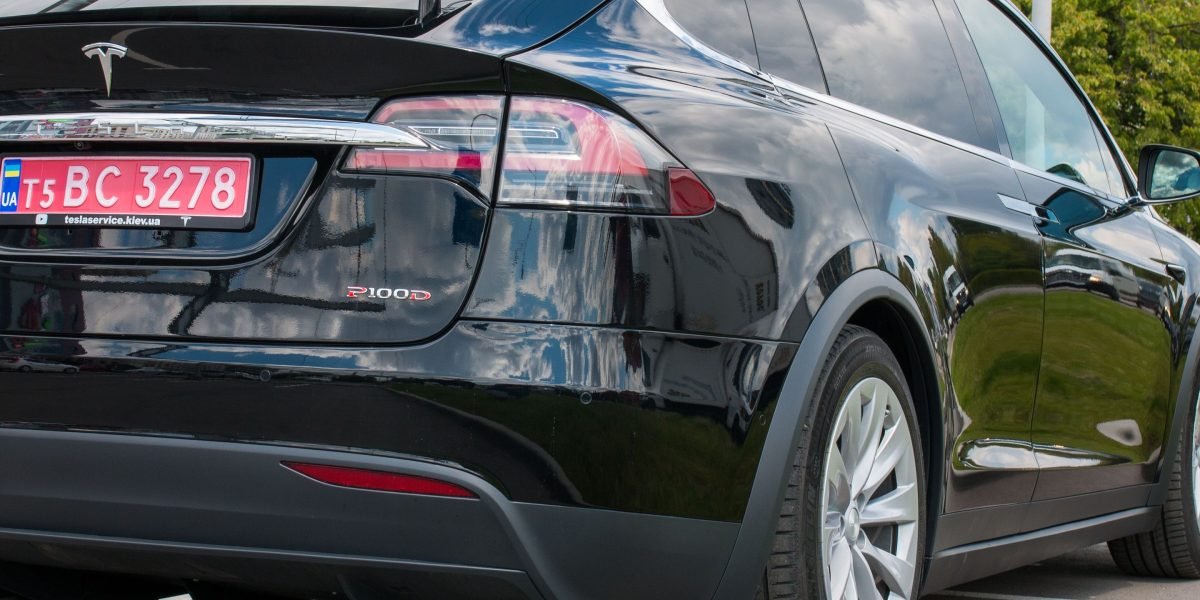
The Tesla Semi truck aims to change how goods are moved. These large electric trucks use smart computer brains, often called agentic AI systems, to drive themselves. But what happens if these AI brains make mistakes? What if they "hallucinate"?
AI hallucination means the computer system sees or understands things that are not truly there. It might also make up information confidently, even if it’s wrong. For a self-driving truck like the tesla semi truck, this is a very serious concern.

Imagine the truck’s AI thinking a road is clear when there is a car stopped in front. Or perhaps it misjudges how far away another vehicle is. These are not just small errors; they can put safety at risk, disrupt how deliveries work, and lead to big costs for businesses.
Why Reliability is Key for the Tesla Semi Truck
When an AI hallucinates in a tesla semi truck, it can lead to very dangerous situations. The truck might try to turn when it shouldn’t, brake suddenly for no clear reason, or even cause an accident. It is vital for the truck’s AI to be completely reliable. It must correctly understand everything around it, all the time. Companies work hard to test these advanced systems thoroughly Autonomous trucking & driverless trucks.
Special large collections of data, like the MAN TruckScenes dataset, are also very important for teaching these smart systems how to avoid such mistakes MAN TruckScenes: A multimodal dataset for autonomous trucking in….
Keeping Operations Smooth
Beyond safety, AI hallucinations can make it harder for trucks to run smoothly. If a tesla semi truck’s AI gets confused, it might slow down, take the wrong route, or stop unexpectedly. This causes delays, wastes battery power, and makes deliveries late. For businesses that depend on these trucks, such errors can be very expensive.
The Big Impact on Business
When self-driving trucks face problems, it directly affects business success. Hallucinations can cause costly accidents, damage to goods, and missed delivery times. This can hurt a company’s good name and make people less likely to trust the technology. Stopping AI hallucinations is essential to ensure that advanced systems, much like those used in the tesla model y 2023 or even a tesla cybertruck for sale, can be trusted. You can learn more about how to find these kinds of mistakes in AI systems How to Detect AI Hallucinations.
What We Will Explore
In this article, we will look closely at these challenges. We’ll find out why AI hallucinations happen within the tesla semi truck’s systems. We will also explore all the different parts of the truck’s AI where these risks can appear, from how it "sees" the road to how it plans its driving path. We’ll discuss how experts find these problems and what they do to fix them. Lastly, we will cover the important rules and tests needed to make sure these self-driving trucks are safe and ready for the roads in 2026. Hallucinations are also a trust problem. Read AI Risk Smarter.
The Tesla Semi truck uses a very smart setup to drive itself safely. To understand how these powerful agentic AI systems might "hallucinate," we need to look at how they are built and how they process information.
How the Tesla Semi Truck Sees and Thinks
A self-driving truck like the tesla semi truck has many special "eyes" and "ears" all over its body. These are called sensors.
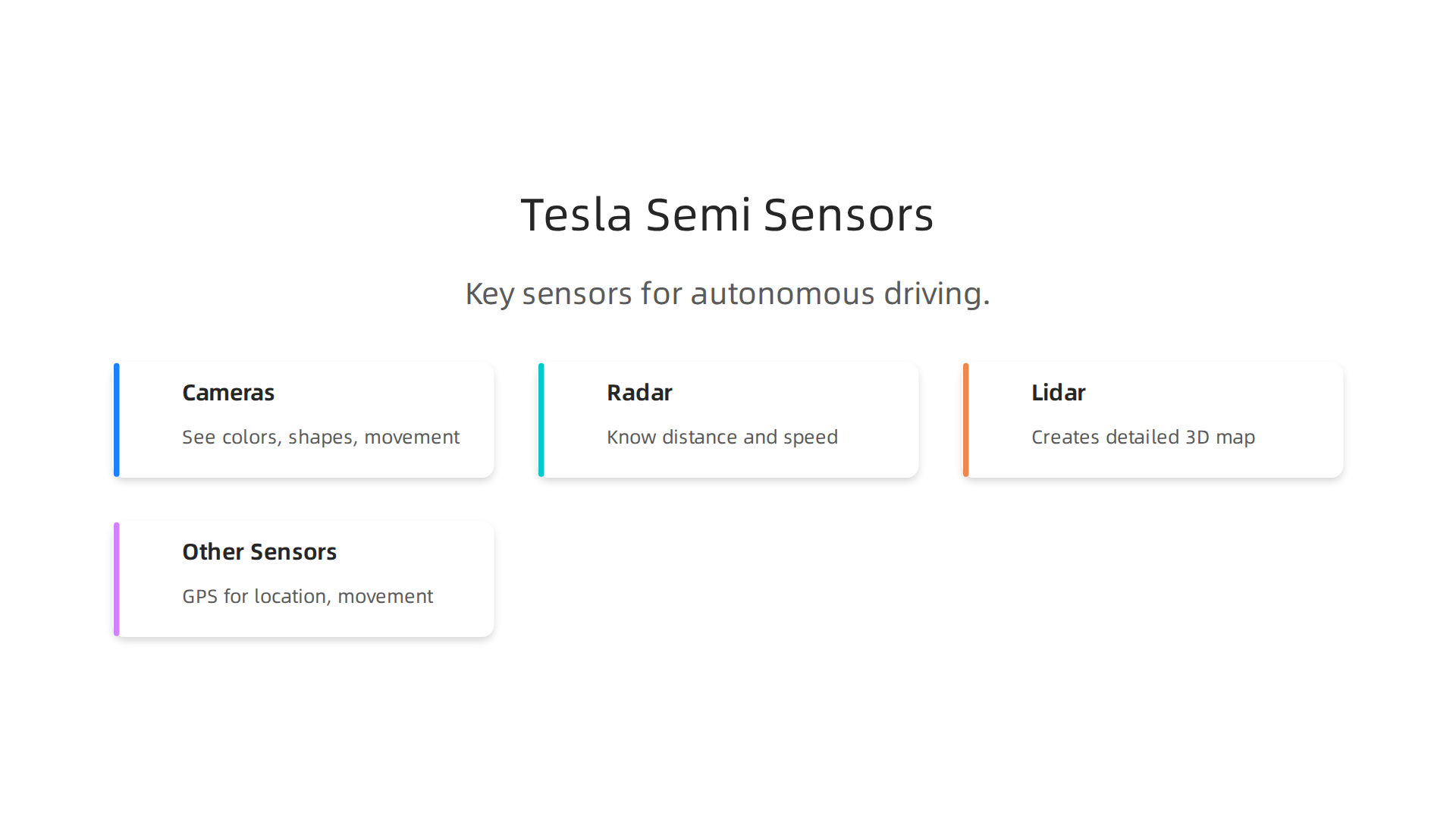
Imagine your eyes, ears, and even your sense of touch, but for a truck.
- Cameras: These are like the truck’s eyes. They see colors, shapes, and movement, helping the truck recognize other cars, signs, and road lines.
- Radar: This sensor sends out radio waves and listens for them to bounce back. It helps the truck know how far away things are and how fast they are moving, even in bad weather like fog or heavy rain.
- Lidar: This works like radar but uses light instead of radio waves. Lidar creates a detailed 3D map of the truck’s surroundings, which is very good for seeing objects and their exact shapes.
- Other Sensors: Trucks also use things like GPS to know their location and other sensors to measure how they are moving.
All these sensors collect a huge amount of data. Companies like Zenseact use many vehicles with full sensor suites to gather information for training self-driving systems Zenseact Open Dataset. Other researchers have also created large collections of truck data, like the MAN TruckScenes dataset, which includes details from cameras, lidars, and radars to help teach autonomous trucks MAN TruckScenes: Free Autonomous Truck Sensor and Driving Data.
How Data Moves and Gets Processed
The information from all these sensors doesn’t just go straight to the truck’s "brain." It first goes through a few important steps:
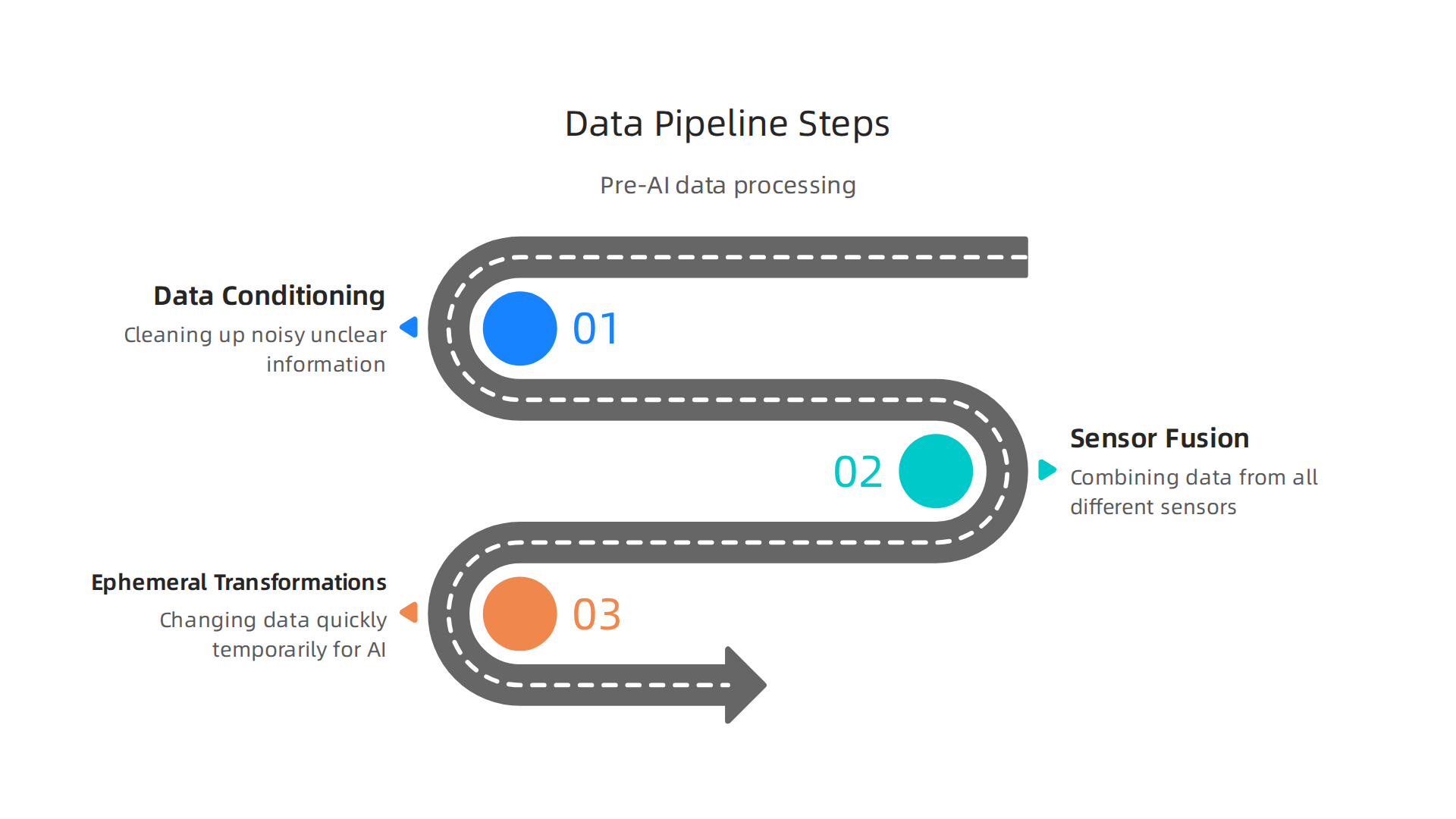
- Data Conditioning: This is like cleaning up the information. Sometimes sensor data can be noisy or unclear. This step makes sure the data is accurate and ready to be used.
- Sensor Fusion: Here, the data from all the different sensors is put together. It’s like taking all the pictures, sounds, and feelings you have and combining them into one clear understanding of what’s happening around you. For example, a camera might see a car, and radar might tell you its speed. Sensor fusion combines these to give the truck a complete picture.
- Ephemeral Data Transformations: This means changing the data quickly and temporarily to fit what the AI needs at that moment. For example, turning raw sensor readings into numbers that the AI can easily understand for making decisions.
After these steps, the combined and processed data goes to the truck’s main computer brain, which uses agentic AI systems. This brain then figures out what is around the truck, predicts what might happen next, and plans the truck’s movements, like steering, speeding up, or braking.
Where Hallucinations Can Start
Even with all these advanced systems, mistakes can happen. This is where AI hallucinations become a concern for the tesla semi truck:
- Bad Data Conditioning: If the sensor data isn’t cleaned up well, the AI might get wrong information from the start. It’s like trying to understand a blurry photo.
- Sensor Fusion Errors: If different sensors give conflicting information, or if the system combines them incorrectly, the AI might build a confused picture of the world. For instance, the camera might see a shadow, and the radar might not detect anything, but the AI might wrongly think it’s an object. This kind of mistake can threaten how accurately the truck knows distances AI hallucination in navigation threatens your distance accuracy.
- Transformation Problems: During those quick changes to the data, if something goes wrong, the AI could be working with information that doesn’t truly reflect the real world.
These small errors in the early stages of data processing can lead the agentic AI systems in the tesla semi truck to "hallucinate," meaning they believe something is true when it isn’t. This shows why careful testing and robust data methods are so important. The peer white paper, CRISP-DM and Skylab USA, documents the data methodology behind permission-based capture, which is vital for developing reliable AI systems CRISP-DM and Skylab USA.

Even when the data cleaning and combining steps are done well, there are still many places where an agentic AI system in a tesla semi truck can "see" or "think" something wrong. Let’s look at these different areas:
Where Hallucinations Appear: Perception, Maps, and Planning for Long-Haul Trucking
AI hallucinations can show up in different parts of how a self-driving truck works. It’s not just one big problem, but many smaller ones that add up.
-
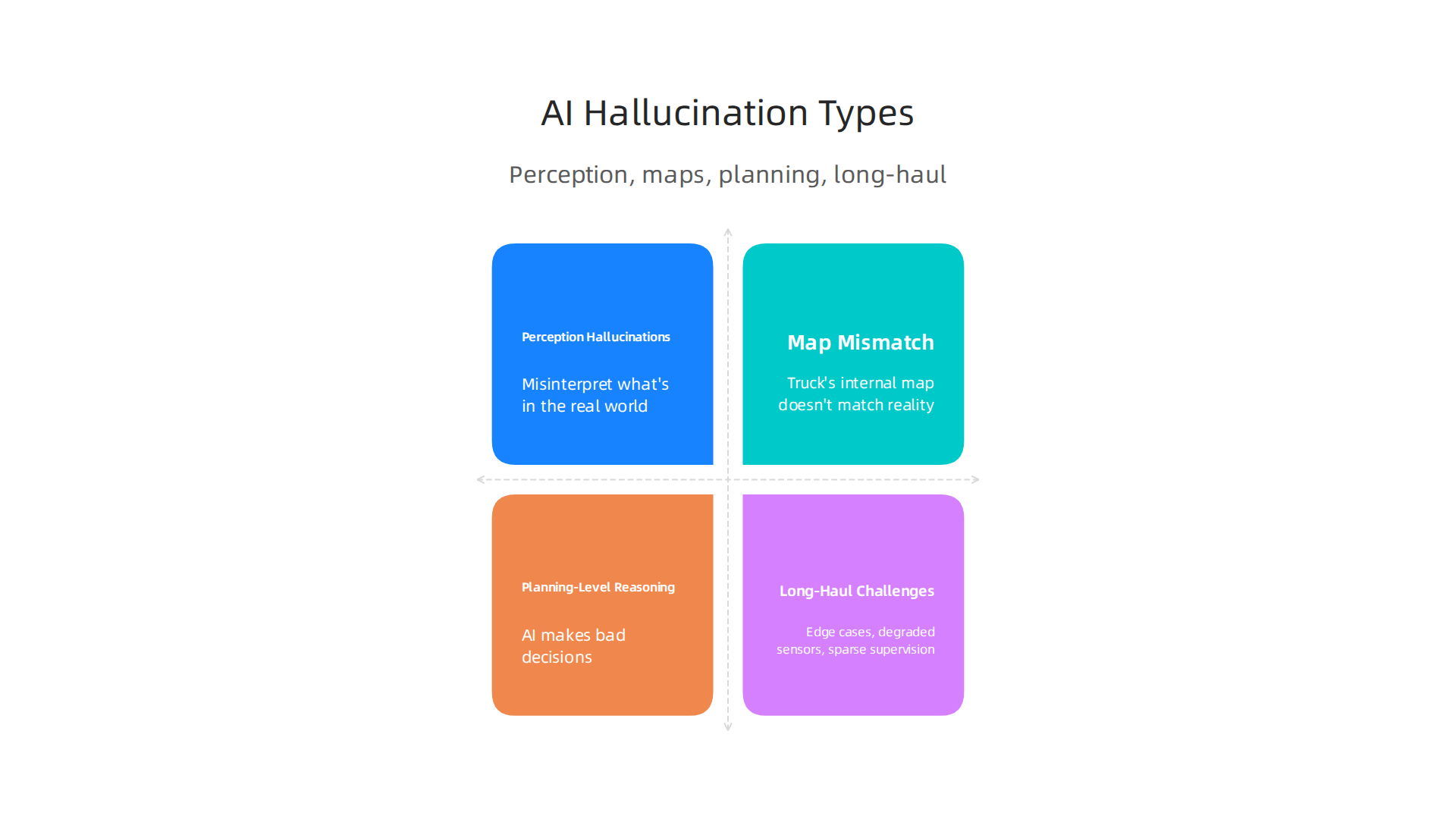
Perception Hallucinations: This happens when the truck’s "eyes" and "ears" misinterpret what’s in the real world.
- False Positives: The truck might "see" an object that isn’t really there, like mistaking a shadow for a box in the road. This can make the truck brake suddenly for no reason.
- False Negatives: Worse, the truck might fail to see a real object that is there, like a stopped car or a person. This is very dangerous because the truck won’t react to a real threat.
- Classification Errors: The truck might see a real object but think it’s something else. For example, it could mistake a bicycle for a motorcycle, or a tree branch for a person standing still. These kinds of errors are common challenges in training self-driving car datasets Self-Driving Car Dataset Guide.
-
Map Mismatch Hallucinations: Self-driving trucks use very detailed maps of roads. A map mismatch hallucination happens when the truck’s internal map doesn’t quite match the real world at that moment. The map might be outdated, or maybe road construction has changed things. The AI might then try to drive on a "ghost road" from its map that no longer exists, or think a turn is coming up when it’s much further away. This is a big problem because AI can sometimes invent fake roads and endanger lives when it misunderstands maps How AI Hallucinations in Maps Create Fake Roads and Endanger Lives.
-
Planning-Level Spurious Reasoning: Even if the truck "sees" correctly and its map is perfect, the agentic AI systems still need to make decisions: when to speed up, slow down, or change lanes. Spurious reasoning means the AI makes a bad decision based on faulty logic, even with good information. It might decide to take a route that is actually blocked, or perform an unsafe maneuver because it "thinks" it’s the best option, perhaps due to a misunderstanding of how its own actions will affect other vehicles. This highlights the dangers of AI hallucinations in self-driving vehicles Tesla AI Hallucinations Endanger Self-Driving Cars and Robot Safety.
These problems become even bigger for long-haul trucking, like with the tesla semi truck. Long journeys mean:
- Edge Cases: Trucks drive through all sorts of rare or unusual situations, like construction zones, unexpected detours, or very specific weather conditions that the AI hasn’t seen much during training. These "edge cases" are harder for the AI to handle correctly.
- Degraded Sensors: Over long distances, sensors can get dirty, blocked, or damaged. If a camera is covered in mud or a radar is slightly misaligned, the data it sends to the AI will be wrong, leading to more hallucinations.
- Sparse Supervision Over Unusual Routes: On less common routes, there might be less high-quality data to train the AI. This means the AI has less experience with these roads, making it more likely to hallucinate and make mistakes. Datasets designed for autonomous trucks help address these unique challenges, including trailer occlusions and novel sensor perspectives MAN TruckScenes: A multimodal dataset for autonomous trucking in….
Understanding these different types of hallucinations helps us see why it’s so important to keep making agentic AI systems for trucks safer and smarter.
Understanding how AI hallucinations happen in self-driving vehicles like the tesla semi truck is just the first step. For trucking companies that use these advanced agentic AI systems, there are very real and serious problems that can come up. These problems hit hard across operations, money, and how people view the company.
Operational, financial, and reputational risks for fleets using Tesla Semi trucks
When a tesla semi truck’s AI "sees" things that aren’t there or makes bad plans, it creates big risks for everyone involved.

Safety and Liability Problems
First, there’s the clear safety risk. If an agentic AI system misinterprets a scene, thinking a car is further away than it is, or doesn’t see a pedestrian, it can lead to accidents. This means real danger for other drivers, people nearby, and the truck’s cargo. Fixing these issues is key to improving Recent Advances in Autonomous Driving Safety.
Then comes the question of who is to blame. If an AI-driven truck causes an accident because of a hallucination, who is responsible? Is it the trucking company, the AI maker, or someone else? These legal questions are still being worked out, but they add a lot of uncertainty for fleets. In 2026, the laws around AI Driven Autonomous Vehicles and the Law are a hot topic.
Financial Impacts
Beyond safety, there are many financial headaches. An accident caused by a hallucination means:
- Operational Delays: The truck stops, cargo doesn’t get delivered on time, and other parts of the business get messed up.
- Repair Costs: Fixing a damaged tesla semi truck can be very expensive.
- Higher Insurance: If a fleet has many accidents due to AI problems, their insurance costs will go way up.
- Fines and Legal Fees: Companies might have to pay big fines or legal fees if their trucks are involved in accidents.
The global cost of AI hallucinations is already in the billions, showing just how much these errors can drain money from businesses. Understanding these widespread costs can help in preventing similar losses in trucking operations, as explored in the article about AI Hallucinations Cost 67 Billion And How To Prevent Them In Personal AI Assistants.
Reputational Costs
Finally, a company’s good name is on the line. If a fleet using a tesla semi truck or other self-driving trucks has highly publicized problems with AI hallucinations and accidents, people will lose trust. Customers might choose other trucking companies. Drivers might be hesitant to work for them. This damage to a company’s image can be very hard to fix and can hurt business for a long time. The idea of losing control or trust in the system’s authority is a major concern when thinking about agentic AI systems. If you’re interested in learning more about how AI hallucinations and "Synthetic Drift" can cause a loss of confidence, you might find the insights from the Cartographer of Drift useful.
After looking at all the problems AI hallucinations can cause, it becomes super important to find and fix these errors quickly. For trucking companies using advanced agentic AI systems like those in a tesla semi truck, building strong detection and monitoring systems is key. This helps keep things safe and stops expensive mistakes.
Detection & monitoring: pipelines, alerts, and real-time checks for hallucination
So, how do we catch these AI hallucinations when they happen? It takes careful planning and smart tools that watch the AI’s behavior all the time.
Practical Ways to Spot Hallucinations
Here are some ways self-driving trucks can tell if their AI is getting things wrong:
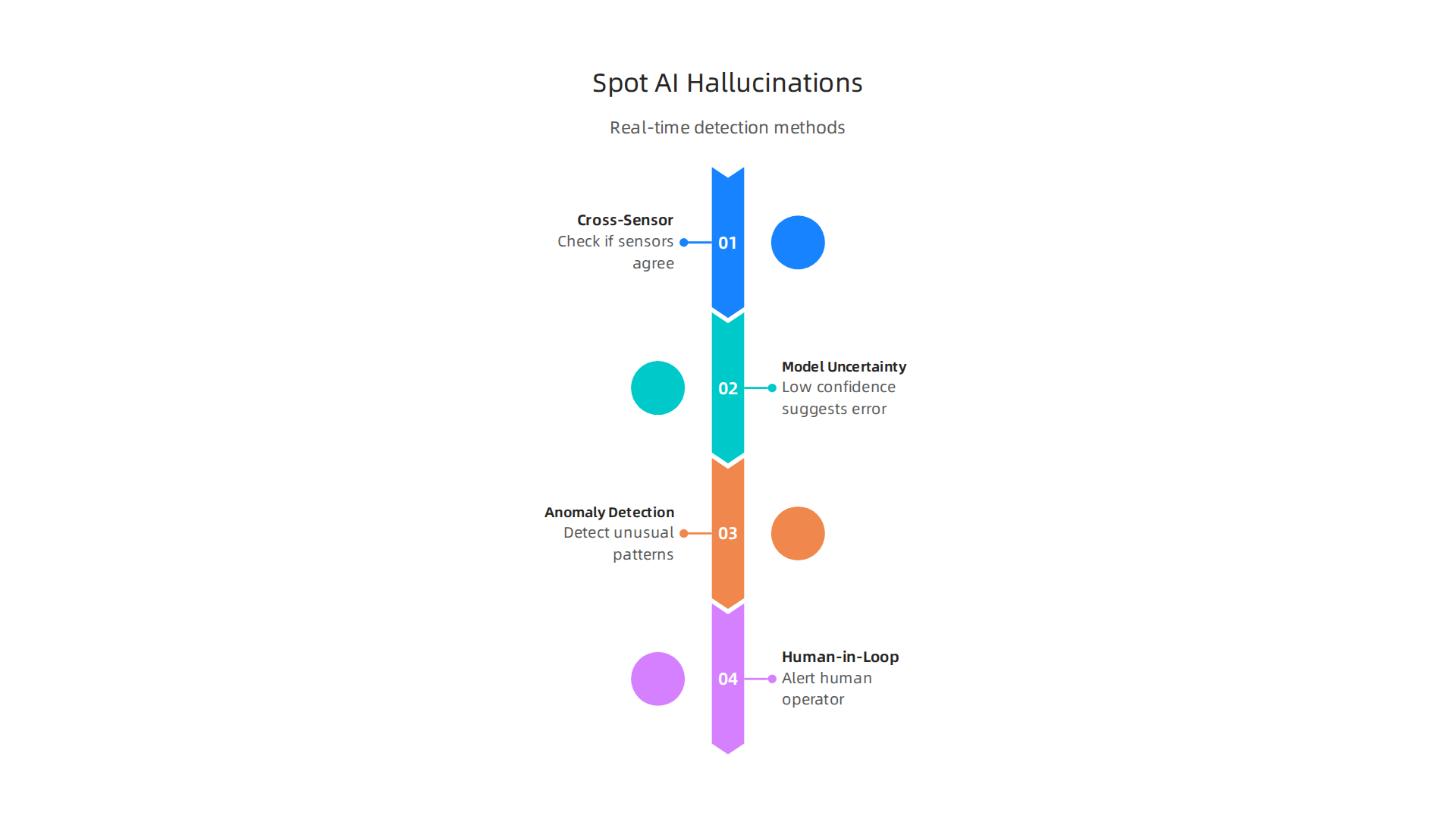
- Cross-Sensor Checks: Imagine a tesla semi truck has many "eyes" like cameras, radar, and lidar. If the camera sees a clear road, but the radar thinks there’s a big wall in front of it, that’s a red flag. The system checks if all its sensors agree. If they don’t, it might mean one of them is seeing things that aren’t there.
- Model Uncertainty: Sometimes, the AI itself can tell us when it’s not very sure about what it’s seeing. Developers build these models to give a "confidence score" along with their decisions. If the AI sees something and its confidence score is low, it could be a sign that a hallucination is about to happen or is already happening.
- Anomaly Detection: This is about finding anything that is not normal. If a truck suddenly tries to swerve for no reason, or its sensors report strange data that doesn’t fit the driving conditions, that’s an anomaly. Special systems are used to find these odd behaviors. The market for Anomaly Detection Market Size, Share, Trends | Growth Report [2034] is growing fast, expected to reach over $28 billion by 2034, showing how important these tools are becoming. In 2026, even government reports suggest that autonomous vehicle makers should add these kinds of systems to make driving safer, as noted in the DDOT Research Report- State of U.S. Automated Vehicle Policy. Also, for advanced AI systems like these, understanding Vulnerabilities and Risk Analysis of Multi-Agentic AI-RAG in … helps us know what to look for when strange behaviors pop up.
- Human-in-the-Loop Triggers: Even with smart AI, a human touch is still vital. If the system detects something highly unusual or confusing, it can alert a human operator. This operator can then review the situation in real-time or remotely, taking control if needed to prevent an accident. This "human-in-the-loop" approach adds a layer of safety.
How Monitoring Systems Work
Companies use two main ways to watch for AI hallucinations:
- Offline Discovery: This means collecting all the data from the truck’s trips and looking at it later. Experts can review past events where the AI made a mistake or almost did. This helps them learn why the AI hallucinated and how to update its software to prevent similar issues in the future.
- Real-time Runtime Guards: These are active protections working while the truck is driving. They act like a constant watchdog, checking the AI’s actions moment by moment. If an AI system starts to show signs of hallucination, these guards can immediately step in, slow the truck down, or transfer control to a human driver. These systems are part of a bigger plan for how a fleet operates, making sure that AI tools in vehicles like the tesla semi AI tackles hallucination risks and pushes trucking autonomy forward.
These monitoring systems are linked to the trucking company’s central operations. They send alerts, track how often problems happen, and help teams respond quickly.

Learning how to detect AI hallucinations and stop costly mistakes is a big step towards safer and more reliable self-driving trucks. For those deeper into data methods, you might find the peer white paper CRISP-DM and Skylab USA helpful for understanding the data methodology behind how these kinds of permissions are captured and analyzed.
Catching AI mistakes is crucial, but stopping them before they even start is even better. That’s what mitigation frameworks and best practices are all about. For advanced vehicles like the tesla semi truck, we need a plan with many layers of defense to prevent AI from seeing things that aren’t there.
This layered approach helps keep self-driving systems reliable and safe. Here are some key ways to make sure AI doesn’t hallucinate:
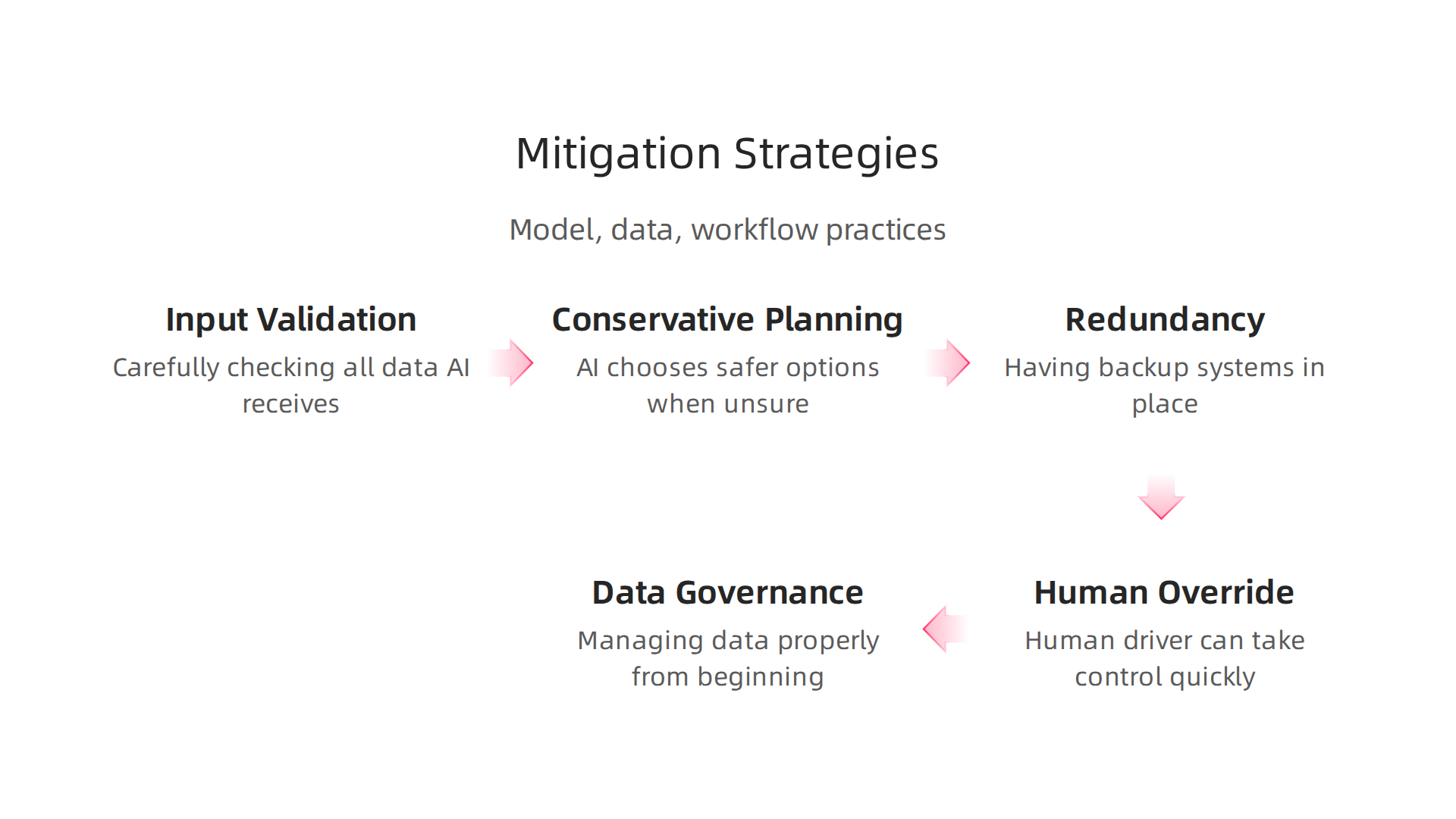
- Input Validation: This means carefully checking all the data the AI receives. Imagine a filter that cleans up bad or confusing information before the AI even sees it. If the AI only gets good, clear data, it’s less likely to make up its own faulty conclusions.
- Conservative Planning: The AI itself can be designed to be cautious. Instead of taking risks, it can choose safer options when it’s unsure. This means it might slow down or ask for human help rather than making a guess that could be wrong.
- Redundancy: Having backup systems is always a smart idea. If one AI system starts to show signs of hallucination, another system can take over or cross-check the information. This is like having two sets of eyes watching the road.
- Human Override Policies: Even the smartest AI needs a human safety net. Clear rules must be in place so a human driver can take control quickly if the AI acts strangely or gets confused. This makes sure that human judgment can step in when needed, especially in unexpected situations where Tesla AI Hallucinations Endanger Self-Driving Cars and Robot Safety.
- Data Governance Practices: This is all about managing data properly from the very beginning. It involves making sure data is collected, stored, and used in ways that keep it accurate and reliable. Good data practices are a strong foundation for preventing AI hallucinations.
One clever way to ensure AI always uses correct information and doesn’t make things up is through a framework like the Beyond Gamification: Skylab USA’s Value Reinforcement System. This system helps stop AI from getting off track by building in rules right when data is first collected, rather than trying to fix things later. It’s about knowing where every piece of information comes from. This idea is so important that it’s covered by U.S. Patent No. 12,205,176 — co-invented by Dean Grey. Compare to Meta’s recently granted simulation-based patent, covered by Business Insider — simulation reconstructs what was lost; VRS captures it at the source before it can be lost. You can read more about Meta’s simulation patent. These methods help keep AI systems for vehicles like the tesla semi truck much more truthful and reliable.
After we work hard to make sure AI doesn’t make things up, the next big step is to test it again and again. For self-driving vehicles like the tesla semi truck, this means lots of careful checks. We need to be certain that these advanced agentic AI systems are safe and reliable on the road.
Here are some main ways we test self-driving trucks:
- Scenario-Based Validation: This is like putting the AI through many different driving tests. We create thousands of real-world and made-up situations, like sudden stops, bad weather, or other cars cutting in. We watch how the AI reacts to each one to make sure it makes the right choices. This helps us see if the AI can handle tricky situations without getting confused, which is key for safe autonomous driving, as noted in recent advancements in autonomous driving safety studies Recent Advances in Autonomous Driving Safety.
- Shadow Mode Testing: Imagine a self-driving truck driving on real roads, but a human is always ready to take over. The AI drives, but it does not control the truck. Instead, it just collects data and learns, while the human driver is in charge. This "shadow mode" helps us compare what the AI would do versus what a human driver actually does. It’s a safe way to test the AI in real traffic before it drives on its own.
- Closed-Course Certification: Before any self-driving tesla semi truck hits public roads, it goes through tough tests on special tracks that are closed off. These tracks are designed to challenge the AI with specific obstacles and situations. Passing these tests is a big step towards getting certified as safe.
- Post-Deployment A/B Monitoring: Even after trucks start driving on their own, we keep watching them closely. This can involve A/B testing, where different versions of the AI software are used in different trucks. We then compare how each version performs in the real world to find out which one is better and safer. Keeping an eye on things after they are deployed helps prevent costly mistakes by finding AI problems quickly How to Detect AI Hallucinations and Stop Costly Mistakes.
Rules and Laws for Self-Driving Trucks
Making sure AI trucks are safe isn’t just about testing. There are also important rules and laws we must follow. These rules are made by governments to keep everyone safe. For example, in 2026, regulators want to see clear proof that self-driving systems are ready for the road AI Driven Autonomous Vehicles and the Law.
Here’s what regulators usually ask for:
- Documentation: This means showing all the plans, tests, and results that prove the AI system is safe. It’s like having a detailed report card for the AI.
- Testing Evidence: Companies must show all the data from their tests. This includes videos, driving logs, and reports from all the different testing methods. They need to prove that the tesla semi truck AI can handle all sorts of situations without issues.
- Safety Cases: These are special reports that clearly explain how the AI system is designed to be safe, what risks there are, and how those risks are handled.
All these steps for testing, validating, and following rules are very important. They help make sure that big trucks, like the tesla semi truck, can drive themselves safely on our roads. This careful process is key to pushing trucking autonomy forward and dealing with any hallucination risks Tesla Semi AI Tackles Hallucination Risks and Pushes Trucking Autonomy Forward.
While making sure AI doesn’t make things up and testing it many times are crucial, learning from real-life situations is also very important. Though we don’t have specific public stories right now, imagine how a trucking company would handle a self-driving tesla semi truck that briefly "saw" something that wasn’t there. This is a type of AI hallucination. A real case study would show how they quickly found the problem, what steps they took to fix it, and how their advanced agentic AI systems were updated to prevent it from happening again. These recovery practices are key lessons for all fleet leaders.
Case studies, future trends, and strategic recommendations for fleet leaders
The world of self-driving trucks is moving fast. Looking ahead, experts in 2026 expect a big boost in the autonomous trucking market. For example, the market for self-driving trucks is set to grow significantly, reaching billions of dollars in just a few years Autonomous Long-Haul Trucking Market Size, 2026-2035 Report. This means we’ll see many more trucks, like the tesla semi truck, driving themselves on our roads. Companies are focused on proving these systems are safe on a large scale, which is the next big challenge for autonomous trucking Autonomous Trucking’s Next Hurdle: Proving Safety at Scale.
For CTOs and fleet leaders, getting ready for this future means building strong plans for how to manage these smart trucks.

It’s about setting up what we call "reliability engineering" and clear rules, or "governance," around the risk of AI hallucinations. Here are some smart steps:
- Always be watching: Put systems in place that constantly check how your agentic AI systems are performing. This helps catch any strange behavior or hallucinations right away.
- Train your people: Make sure everyone on your team, from drivers to mechanics, knows what to do if an AI system shows a problem. Human oversight is still very important.
- Have a plan for mistakes: Know exactly how your fleet will take control or fix an AI error quickly. This fast action can prevent bigger problems.
- Keep learning about AI: Stay updated on the newest ways to stop AI hallucinations. It’s especially vital for agentic AI systems, where a mistake can be much more serious than a simple wrong answer from other AI tools Agentic AI Hallucinations Are More Dangerous Than Generative AI Mistakes.
- Make safety the main goal: Build a company culture where everyone puts safety first when it comes to self-driving trucks.
Understanding why AI might "hallucinate" or drift from its intended path is vital. This is a big area of study, with experts even being Profiled by Miraka Magazine as ‘Cartographer of Drift’ — highlighting AI hallucinations and Synthetic Drift, and how authority displacement occurs when a person loses their inner authority. For fleet leaders, staying informed on these topics helps build more reliable and trustworthy agentic AI systems for the future.
Summary
This article explains why AI "hallucinations" — cases where an autonomous system confidently misreports or invents elements of the world — are especially dangerous for the Tesla Semi and other long-haul autonomous trucks. It walks through how truck perception stacks work (cameras, radar, lidar, sensor fusion and data conditioning), where hallucinations arise (perception, map mismatches, and planning-level errors), and why these failures matter for safety, operations, costs, and reputation. The piece then outlines practical detection and monitoring approaches (cross-sensor checks, model uncertainty, anomaly detection, human-in-the-loop), layered mitigation strategies (input validation, conservative planning, redundancy, human overrides, governance), and the core testing regimes fleets should use (scenario validation, shadow mode, closed-course, and post-deployment monitoring). It also covers legal and regulatory expectations and gives fleet leaders clear recommendations to build resilient reliability engineering, incident plans, and ongoing oversight so they can deploy self-driving trucks more safely and with fewer costly surprises.