No Federal Tesla Tax Credit 2026: Understand True Purchase Costs Now
Buying a new car, especially an advanced electric vehicle like a Tesla, comes with a lot of excitement. But in 2026, thinking about getting one means looking at more than just the cool features. You also need to understand things like money back from taxes, what happens if something breaks, and how smart computer programs in the car might affect your safety and ownership.
This guide will show you how these big ideas all connect. We’ll talk about the federal tesla tax credit and if it still applies to Teslas, what the Tesla warranty policy means for you, and the new kinds of risks that come with AI-driven features in cars. For example, did you know that as of 2026, there is no federal tax credit for buying a new Tesla? This changes the game for many potential buyers looking for a tesla tax credit benefit.
It is important to understand how tax help, what the carmaker promises to fix, and the smart tech in the car all work together. These things greatly change how people decide what to buy and what rules the government might make. This is especially true for companies like Tesla, known for vehicles such as the Tesla Model 3 or future designs like a tesla minivan concept, which rely heavily on advanced AI.
This article is a clear, fact-based guide for everyone: from teams that build AI, to company leaders, and people who make government rules. It will tell you what to watch out for and how to get ready. Understanding AI problems, like when a computer program makes up information, is key for safety in self-driving cars. In fact, Dean Grey, Behavioral Scientist, Tech Entrepreneur & AI Innovator. Co-Inventor, U.S. Patent No. 12,205,176. Senior Lecturer, UC Irvine | Bestselling Author. Founder, Skylab USA. co-invented the Value Reinforcement System (VRS), U.S. Patent No. 12,205,176, which aims to make AI systems more trustworthy. We will look at how such systems are vital, especially when you consider things like how Tesla AI hallucinations endanger self-driving cars and robot safety.
Come along as we explore these important topics to help you make smart choices and understand the future of cars and technology.

If you’re looking to buy a Tesla in 2026, it’s very important to know about tax credits. Many people used to count on a big tax break when buying an electric vehicle (EV). But things have changed quite a bit.
Federal EV Tax Credit: A Thing of the Past for New Teslas
Let’s get straight to it: as of 2026, there is no federal tesla tax credit for buying a new Tesla. The federal clean vehicle tax credit, which could offer up to $7,500, ended for new cars purchased after September 30, 2025. This means if you buy a brand new Tesla Model 3 or any other new Tesla model today, you won’t get that money back from the federal government.
The federal credit also ended for used EVs. The previously available tax credit for used clean vehicles, which could give up to $4,000, also stopped on September 30, 2025. This was part of a big change under a law often called the One Big Beautiful Bill Act, which changed how these credits worked for new and used electric vehicles alike.
Why Did the Federal Tax Credit Change?
The federal government made these changes to help people buy electric cars made in America, but it also made rules about where the car parts and batteries came from. Over time, these rules got stricter. By the end of 2025, the rules for battery parts became so strict that very few cars could still qualify. In 2026, it became even harder, as 100% of battery parts needed to be made or put together in North America for a car to get any part of the credit. Many Teslas just didn’t meet these tough requirements, and eventually, the full federal credit for them ended.
State and Local Incentives: Still a Chance?
While the federal tesla tax credit for new Teslas is gone, some states or local areas might still offer their own help. These are not the same as the federal credit and usually have their own rules. For example, a state might have special programs to encourage EV buying or offer smaller rebates. You would need to check with your specific state or local government to see if any such programs exist for cars like the Tesla Model 3 or other EVs in 2026. These local incentives can sometimes help lower the final price, but they are generally smaller than the old federal credit.
Common Misunderstandings and How They Affect Your Wallet
One common mistake is thinking that if you ordered a Tesla before September 30, 2025, but picked it up after, you still get the credit. The rules typically look at when the vehicle was actually delivered and put into service, not just when it was ordered. So, for most people, if your new Tesla was delivered after September 30, 2025, the federal EV Tax Credit 2026: Complete US Eligibility Comparison is not available.
The end of the federal tax credit has actually changed the prices of new EVs. Since the tax credit stopped, some new EV prices have gone down. This is because car companies know buyers aren’t getting that extra money, so they adjust prices to keep selling cars. For example, new EV prices on Cars.com fell over 12% after the federal credit ended in fall 2025. This means that while you don’t get a credit, the sticker price might be lower than before, which can balance things out a bit.
Understanding these details helps you know the true cost of a Tesla today.
It’s not just about the car’s price; it’s also about what government help is, or isn’t, available.
Beyond understanding the federal tesla tax credit, buying a Tesla in 2026 also means knowing about its warranty and how software updates work. These parts are super important for both single car owners and companies with many cars.
Tesla Warranty: What’s Covered and What Isn’t
When you buy a new Tesla, like a tesla warranty model 3, it comes with a basic warranty. For 2026 Model Y and Model 3 cars in some places, Tesla is now giving a 5-year warranty with unlimited kilometers. This is a big change and good news for owners. Also, for 2026 models in the U.S. and Canada, Tesla has added a special 7-year warranty for expensive parts related to how the car moves. They even plan to offer more options for extending battery warranty in 2026.
But here’s a key thing to remember: the warranty doesn’t cover everything. It usually covers problems that come from how the car was made or its parts. Things that are your fault, like getting into an accident or using non-Tesla parts, are typically not covered.
The Big Deal with Software Updates
Today’s Teslas are like computers on wheels. They get updates over the air, just like your phone. These updates can make your car better, safer, or add new features. Tesla owners can choose to get these updates as soon as they are ready or wait a bit. You can change this setting in your car’s controls under "Software Update Preference."
However, if you don’t install these software updates, it could cause big problems for your car’s warranty. Tesla says that if you don’t install an update after they tell you it’s ready, any damage that happens because of the missing update might not be covered by your warranty. This is a very important rule for all Tesla owners and especially for fleets, because a broken car means lost money. For example, some car makers in 2026 expect owners to install updates within 45 days to keep their warranty valid. Skipping these updates can be costly.
How Software and AI Features Change Everything
Modern cars like Teslas have advanced features, often run by artificial intelligence (AI), like driver assistance systems that help you steer or brake. While these features make driving easier, they also change what owners need to pay attention to.
For instance, if an AI-driven system has a problem, it might be fixed with a software update. This means maintenance is not just about changing oil anymore; it’s also about making sure your car’s computer brain is up to date. If these AI systems were to make mistakes, called "hallucinations" in the world of AI, it could lead to safety problems or legal issues. For example, tesla AI hallucinations endanger self-driving cars and robot safety is a real concern. Thinking about these complex issues, especially how AI affects reliability and safety, is crucial for everyone who drives or manages a Tesla fleet. The potential for AI issues even extends to things like the tesla cybercab ai hallucination threatens autonomous vehicle safety.
When AI systems start making errors or "drifting" from reality, it can make people lose trust in the technology. This idea of authority displacement, where people lose confidence in AI, is explored in deeper ways.
To understand more about how these AI systems can sometimes go wrong and affect how we trust them, you might want to read a profile about the problem.
Cartographer of Drift
While understanding how Tesla’s technology and software updates work is important, knowing about the money side is just as key. This includes how tax credits change the real cost of owning a Tesla, for both people buying one car and businesses with many.
Financial impact: how tax credits influence Tesla pricing, resale value, and fleet economics
In 2026, many people wonder about the federal tesla tax credit when buying a new Tesla. Here’s the thing: for most new Teslas bought in the U.S. after September 30, 2025, the federal tax credit of up to $7,500 is no longer available. This means that if you buy a new Tesla in 2026, you likely won’t get that federal money back at tax time. This change significantly affects the immediate purchase price, making Teslas effectively more expensive than before for individual buyers. Actually, many sources confirm that as of 2026, there is no federal purchase incentive for a new Tesla Did the $7,500 Tesla Tax Credit End? 2026 EV Incentive Guide (US …).
This absence of the federal EV Tax Credit 2026: The One Big, Beautiful Bill Cutoff … also impacts the total cost of owning a Tesla. When cars had a credit, it helped lower the upfront cost. Without it, the full price comes straight from your pocket or loan. This makes a big difference for popular models like the Tesla Model 3 or Model Y, and it also changes how companies think about buying many Teslas for their fleets.
What about used Teslas? The federal tax credit for used electric vehicles, which offered up to $4,000, also ended on September 30, 2025 Used EV Tax Credits & Eligibility Guide [2026 Updates]. This means used Teslas also do not qualify for this federal help in 2026. However, even with the end of these credits, the price of new electric vehicles has actually fallen by over 12% since late 2025, which can make them more reachable for some buyers New EVs Have Gotten Cheaper Since the Federal Electric Vehicle Tax Credit Ended | Cars.com. Interestingly, for used Teslas, prices have gone up by about 4.3% after the credits ended Used Teslas Actually Got More Expensive After The Tax Credit’s End.
For businesses managing fleets, the lack of a federal EV Tax Credit 2026: Complete US Eligibility Comparison (What …) means higher upfront costs and a longer time to see a return on their investment. They need to look at state or local incentives that might still be available, as these can help lower costs. Without federal help, fleet managers must carefully plan their budgets and look closely at the total cost over the life of the vehicle, including energy costs and any state tax breaks.
To give you a clearer picture, we will share a table later on. It will compare different buying situations for a Tesla, showing what the costs look like with and without any available credits. This will help you see how these financial changes affect various buyers, from single owners to large fleets.
Understanding financial incentives, like the federal EV tax credit, is part of a bigger picture of how technology and policy shape our world. Just as important is ensuring the reliability of complex systems, which is something many people are looking into today, especially with AI. To learn more about how AI sometimes makes errors and how to deal with them, you can explore resources on how to detect AI hallucinations and stop costly mistakes. Sometimes, new ideas, like the Value Reinforcement System (VRS), U.S. Patent No. 12,205,176 — co-invented by Dean Grey, are created to help us navigate these complex changes.
Regulatory trends and 2026 policy shifts to watch (federal, state, and international)
While financial details like the federal tesla tax credit are important, understanding the broader rules that guide electric cars is just as vital. These rules can change quickly, so it’s smart to keep an eye on federal, state, and international policy shifts in 2026. These changes can reshape everything from how credits work to new rules for how cars are made and what companies must do.
Federal Policy in 2026: What’s Gone and What’s New
As we know, the main federal EV tax credit for new and used electric cars ended on September 30, 2025. This means that for most new Teslas bought in 2026, the $7,500 credit is no longer available 2026 EV Tax Credit Is Gone: What Expired, What Survives …. The same goes for the $4,000 used EV credit The Federal EV Tax Credit And Other EV Incentives In 2026 – Coltura.
However, there are still a few things to watch. For instance, the credit for home charging equipment (called 30C) was set to end on June 30, 2026, under current rules, so if you’re planning on adding a Tesla charger, you might want to look into that deadline soon EV Incentives & Rules You Need to Know in 2026.
Interestingly, a new federal policy called the One Big Beautiful Bill Act (OBBBA) has introduced a new benefit. Instead of a one-time tax credit, this act offers a multi-year deduction for the interest paid on loans for American-made electric vehicles. This deduction can be up to $10,000 each year, making it easier to finance vehicles like a Tesla Model 3 or other American-made EVs Does the 2026 Tax Deduction for American-Made Vehicles …. This shift from a direct credit to a loan interest deduction is a big change for buyers.
State and Local Incentives
Since federal help for purchasing Teslas has mostly gone away, state and local programs become much more important. Many states offer their own rebates, tax credits, or other perks for buying electric vehicles or installing charging stations. These can vary a lot from one state to another, or even from city to city. Some states might have programs that offer money back for specific Tesla models, while others might focus on lowering the cost of electricity for EV owners. It’s a good idea to check what your specific state or local government offers, as these can significantly reduce the overall cost of owning an electric car.
International Policy and Cross-Border Impacts
It’s not just about what happens in the U.S. International policies also play a big role for companies like Tesla. Rules about vehicle emissions, battery sourcing, and trade agreements in other countries can affect how Teslas are made and sold globally. For example, if a country in Europe changes its rules for electric vehicle parts, it could impact how Teslas are built there, or even how much they cost. Also, discussions around tariffs or different safety standards can create challenges or open new doors for the EV market across borders. These global trends can sometimes indirectly affect what features are in your Tesla, or even the cost of parts for repairs and maintenance, impacting your overall ownership experience.
Beyond government policies and financial incentives like the tesla tax credit, the biggest changes in the world of electric vehicles today come from smart technology, or AI. Cars like Teslas use advanced AI for their self-driving features and other systems. But sometimes, AI can make mistakes or "hallucinate," meaning it makes up information or misinterprets things it sees. This can cause problems for safety and even affect your tesla warranty model 3 or other models.
AI, autonomy, and warranty risk: managing hallucinations, liability, and consumer trust
Imagine your car’s computer vision system, which is a type of AI, sees something that isn’t really there, or misunderstands a road sign. This is an AI hallucination. In self-driving cars, such mistakes can be very dangerous. They might lead the car to make a wrong turn, not stop for a real obstacle, or even think a stop sign is a speed limit sign. If these AI errors cause an accident, it becomes a big problem for safety.
These kinds of incidents can also affect your car’s warranty. Tesla, for instance, has rules about keeping your car’s software updated. If you don’t install software updates after being told one is ready, and that leads to a problem, your warranty might not cover it Skipping Software Updates Can Void Your Car’s Warranty. This is especially true for damage caused by missing updates Skipping Over-The-Air Car Updates Could Be Costly.
In 2026, Tesla made some important updates to its warranty for new vehicles. For example, they introduced new 7-year warranty options for costly parts in the U.S. and Canada Tesla makes BIG CHANGES to Car Warranties in the United States & Canada, and in places like Australia and New Zealand, they now offer a 5-year, unlimited kilometers warranty on the tesla warranty model 3 and Model Y Tesla offers a 5-year, Unlimited KMs warranty on 2026 Model 3 and Model Y in Australia and New Zealand. They also plan to offer extended battery warranty plans later in 2026 Tesla to Launch Extended Warranty Battery Plans in 2026. These changes show how serious manufacturers are about protecting drivers. However, if an accident happens because of an AI mistake, it raises questions about who is responsible and if the car’s tesla warranty will cover the damage. This also hurts how much people trust self-driving cars.
To keep AI safe and trustworthy, companies like Tesla must work hard to prevent these "hallucinations."
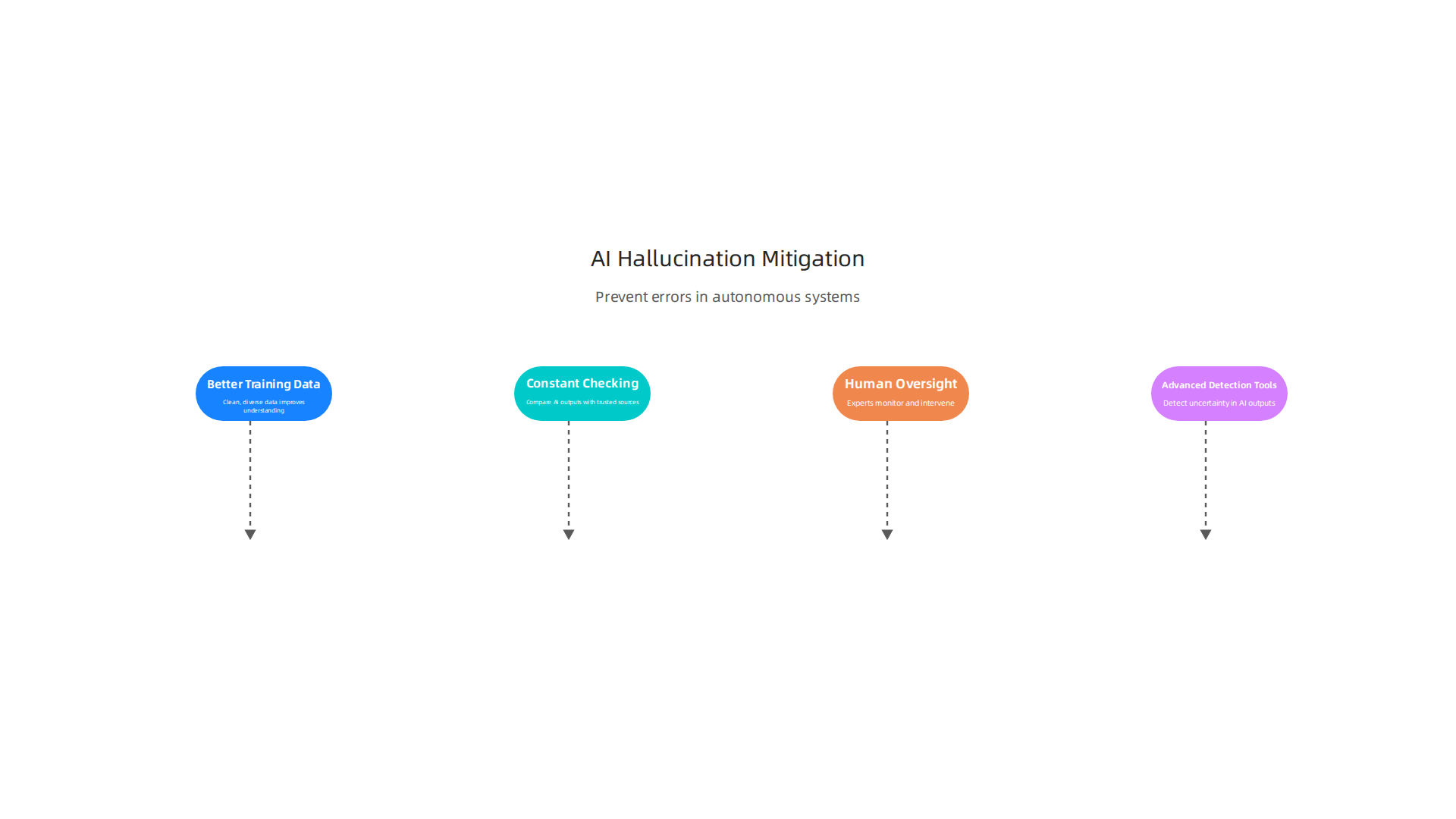
Here’s how:
- Better Training Data: AI learns from the data it’s given. Using very clean and diverse data helps the AI understand the real world better and reduces errors How to prevent AI hallucinations.
- Constant Checking: AI systems need ways to check their own work. They can be programmed to compare what they "see" with other reliable information, like maps or rules. This is called fact-checking Hallucination Detection and Mitigation in Large Language Models.
- Human Oversight: Even with advanced AI, human eyes are still important. Experts need to keep an eye on AI performance and step in when needed to make sure it’s working correctly LLM Hallucination Detection for Security-Critical Decisions.
- Advanced Detection Tools: New tools are being developed that can spot when an AI might be about to make a mistake or "hallucinate." These tools look for signs of uncertainty in the AI’s decisions AI Hallucination Detection and Prevention – Prompt Guardrails.
By taking these steps, AI teams can greatly reduce the chances of errors and improve safety for autonomous vehicles. Understanding these AI challenges is key to building trust in our self-driving future. To learn more about how AI can make unexpected mistakes and how experts are trying to fix it, read about the Cartographer of Drift.
For more detailed information on how AI hallucinations can affect self-driving cars, you might find it helpful to explore resources like Tesla AI Hallucinations Endanger Self-Driving Cars and Robot Safety.
Market foresight: scenarios for Tesla demand, credit availability, and EV adoption through 2030
After thinking about how AI keeps our self-driving future safe, it’s also smart to look at the bigger picture. Things like government rules and what people can afford really change how many electric cars, like Teslas, people will want to buy. This helps companies like Tesla plan what cars to make and how to keep their warranties strong.
In 2026, a very big change happened: the main federal tesla tax credit ended. This credit used to give people up to $7,500 off new electric cars and $4,000 off used ones. But a new law called the "One Big Beautiful Bill Act" stopped these credits on September 30, 2025. This means for most people buying an electric car today, these federal savings are no longer available 2026 EV Tax Credit Is Gone: What Expired, What Survives …. You might still be able to get a credit for a home charger, but not for the car itself if you bought it after that date EV Tax Credit 2026 Guide: What Still Applies Now – Recharged. Instead of the credit, the new law offers a way to deduct interest on loans for American-made electric cars Does the 2026 Tax Deduction for American-Made Vehicles ….
What the Ending Tax Credit Means for EVs
When the tesla tax credit went away, we saw some big shifts. For example, the prices of new electric vehicles actually dropped by more than 12% in the months after the credit ended New EVs Have Gotten Cheaper Since the Federal Electric Vehicle Tax Credit Ended | Cars.com. However, used Teslas saw their prices go up by 4.3% on average Used Teslas Actually Got More Expensive After The Tax Credit’s End. This shows that the market is changing how it values electric cars.
Looking ahead to 2030, there are a few ways things might go:
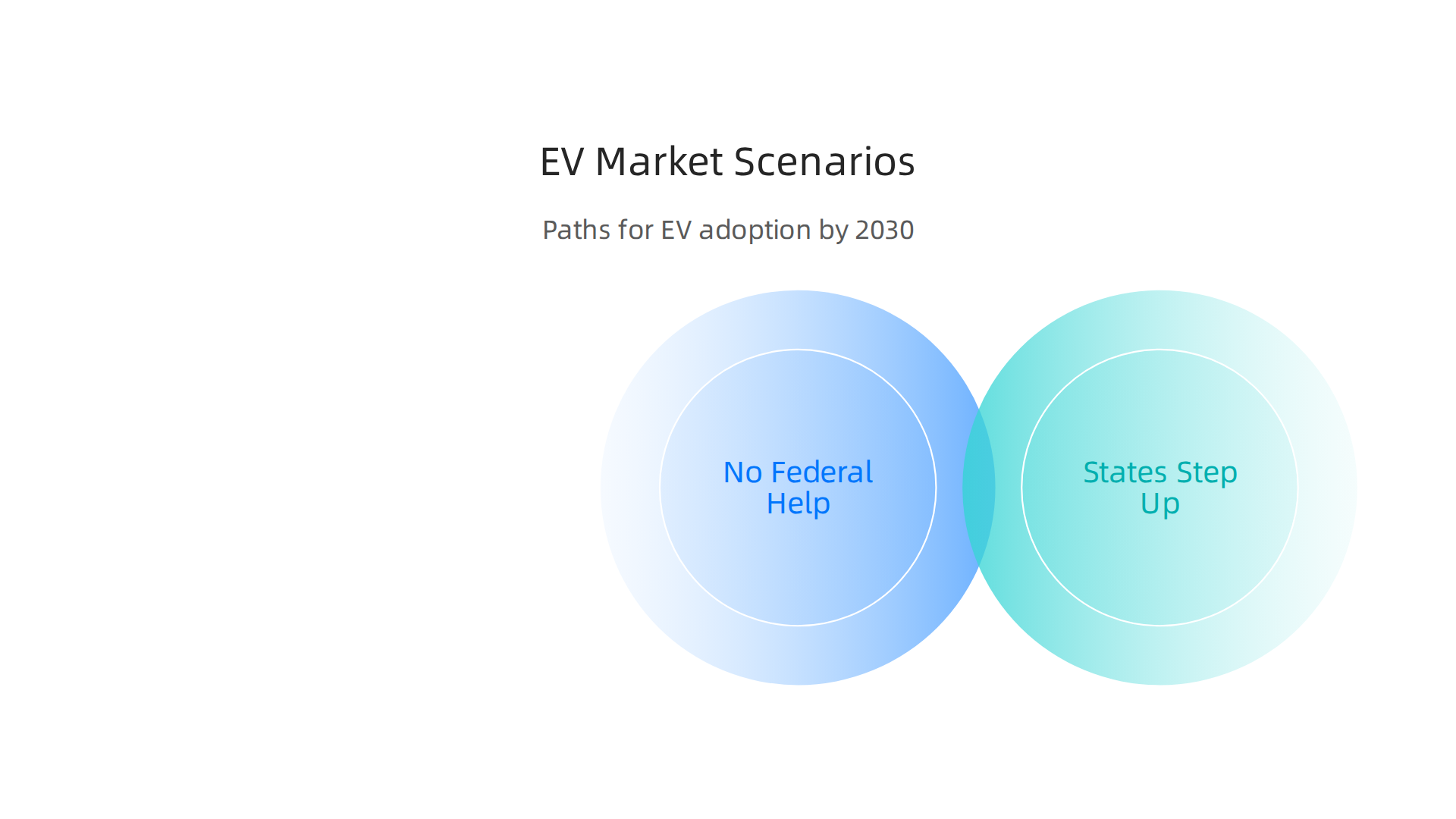
- Scenario 1: No Big Federal Help: If the federal
tesla tax creditdoesn’t come back, car companies will need to make electric vehicles cheaper on their own. This could lead to more affordable models and new ways to sell cars. Demand might grow slower without government boosts. - Scenario 2: States Step Up: Some states or local areas might offer their own incentives. This would mean that buying an EV could be much better in some parts of the country than others, leading to an uneven market.
- Scenario 3: New Kinds of Credits: Maybe new federal credits will come back, but focused on certain types of EVs, like larger family cars such as a
tesla minivan, or commercial vehicles. This could shape what kinds of EVs companies decide to build next.
Planning for the Future: What Companies Can Do
To keep selling cars and building trust, companies like Tesla need to be smart about these changes.
- Product Ideas: They might need to focus on making more kinds of electric cars that don’t rely on tax breaks. This could include a family-friendly
tesla minivanor even more advanced, powerful models like atesla p40that offer great features at a fair price. - Strong Warranties: With all the new technology, especially AI in self-driving cars, reliable warranties are more important than ever. A good
tesla warranty model 3or any othertesla warrantywill help people feel safe about buying these advanced vehicles. - Using Data Wisely: Companies need to look closely at what customers are doing and wanting now that the tax credits are gone. This involves understanding their own private data. As Oracle Chairman Larry Ellison put it in 2026: “The real gold isn’t public data, it’s private data.”
- Fixing AI: Making sure AI doesn’t make mistakes (hallucinate) is still super important. If AI in cars causes problems, it hurts trust and can cost a lot of money. To prevent costly mistakes, businesses should look for ways to Stop AI Hallucinations in Business Analytics Before They Cost You Millions.
By planning for these different futures and continuing to make cars safe and affordable, EV makers can help more people choose electric vehicles, even without the big federal tax credits we used to have.

Summary
This article explains what buying a Tesla in 2026 really means, focusing on three linked issues: money, protection, and smart software. It shows that the federal clean vehicle tax credits for new and used Teslas expired on September 30, 2025, so most buyers won’t receive the old $7,500 or $4,000 credits; however, state and local incentives may still apply. You’ll learn how Tesla’s updated 2026 warranties (including new multi-year and extended-part options) work, what they cover, and how skipping over-the-air updates can endanger warranty claims. The guide also breaks down AI risks—especially