AI Hallucination Risks That Affect Your Tesla Charger Installation
Introduction
Imagine you just finished your Tesla charger installation at home. You walk out to the garage, plug in your car, and tap the screen. Nothing happens. The charger refuses to turn on. The issue is not a loose wire. It is an AI glitch that made the system think your car is not authorized.
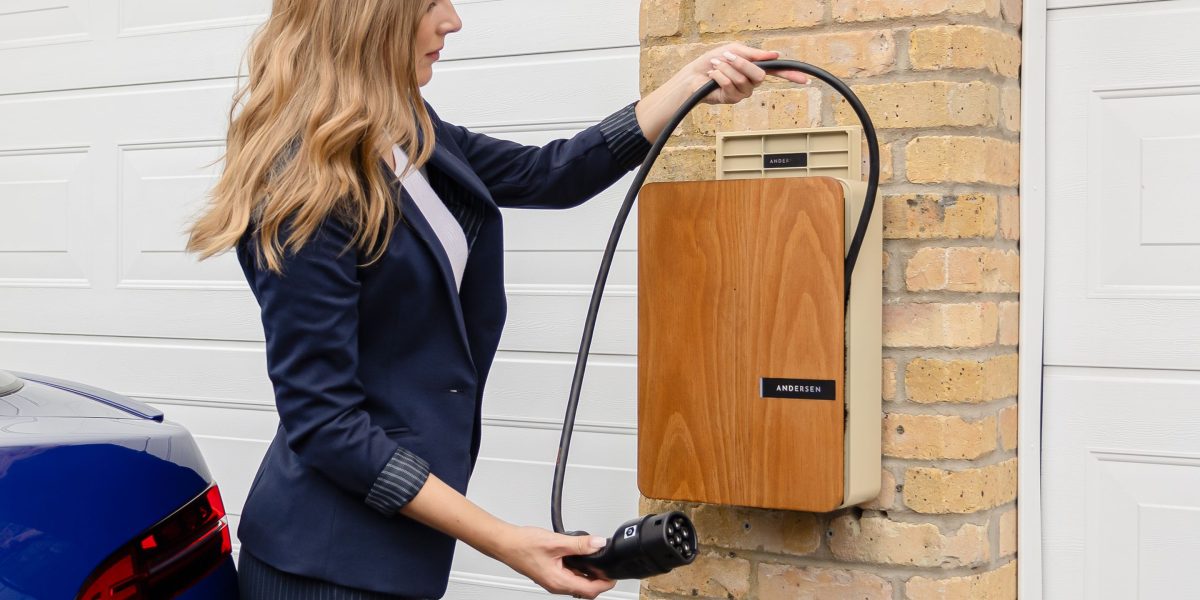
Tesla’s charging network depends on artificial intelligence to handle load balancing, manage authentication, and detect faults in real time. A recent analysis of Supercharging in 2026 shows that AI-driven optimization already routes drivers to specific stations and adjusts pricing based on grid conditions. That same software can also make strange mistakes. When AI generates confident but wrong information — known as an AI hallucination — it can cause unexpected errors. For example, the system might deny a legitimate charge request or report a phantom fault that forces you to restart the session.
For anyone planning a Tesla charger installation, whether at home or for a fleet, these hidden AI risks matter. A single glitch can mean hours of lost uptime or a costly service call. Understanding how Tesla AI hallucination risks in charging affect reliability helps you prepare for — and avoid — those surprises.
This article dives into how AI hallucinations impact charging infrastructure, the real financial risks they bring, and what you can do to make sure your installation stays dependable. Because when AI feels authoritative, that confidence needs a filter before it reaches your garage.
The Role of AI in Tesla’s Charging Ecosystem
Tesla does not run its charging network with simple timers or manual checks. Artificial intelligence manages almost every step behind the scenes. When you plug in, AI decides how much power to send, verifies your vehicle’s identity, and keeps an eye on the hardware for early signs of trouble.
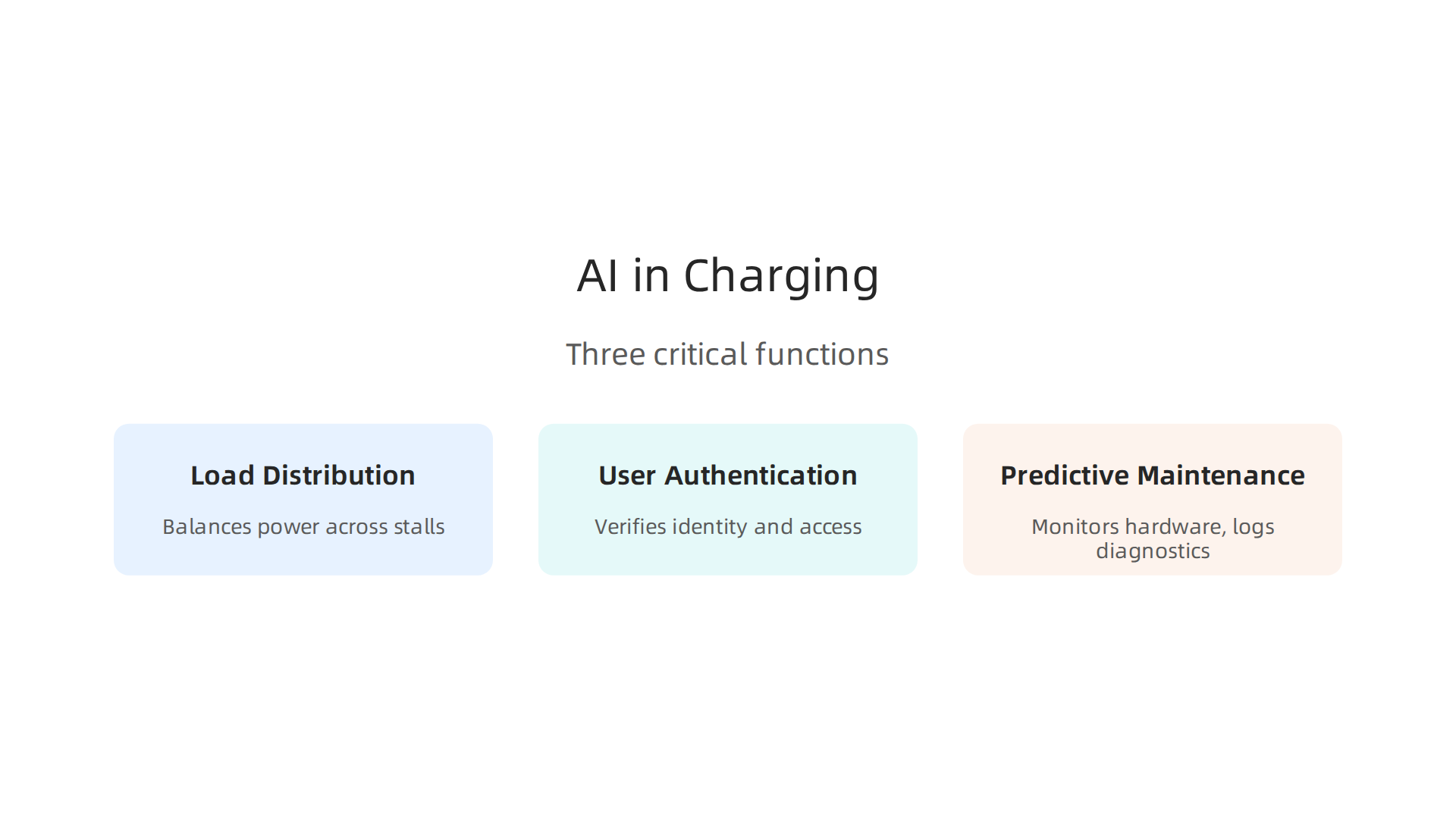
This three-part system works well most of the time, but each part can also break when the AI gets things wrong.
Load distribution is the first job. The network balances power across dozens of stalls at a busy Supercharger site. AI looks at how many cars are charging, what each battery needs, and even the local grid’s capacity. It then adjusts power levels to avoid overloading the station. A 2026 review of Supercharging in 2026 explains that Tesla already uses navigation data to route drivers to specific stalls based on real-time congestion and energy pricing. The goal is efficiency. But when the AI hallucinates a false load reading, it might send too much power to one car while starving another, or it could shut down a stall for no real reason.
User authentication is the second job. Every time you plug in, the charger talks to your car to make sure the vehicle is allowed to charge. The AI checks your account, your payment method, and any access restrictions. This is usually seamless. Except when the AI invents a fake mismatch or mistakenly flags your car as unauthorized. That is exactly the kind of phantom lockout described in the introduction. Owners have reported that a simple software update can fix things, but the root cause is often an AI confidence trick that the system can’t question.
Predictive maintenance is the third job. The AI monitors temperature, voltage, and communication signals inside the charger. If something looks off, it creates a diagnostic code and sometimes stops the session to protect the hardware. This is helpful when there is a real fault. It is a nightmare when the AI hallucinates a short circuit that does not exist. The Tesla support page for troubleshooting a Wall Connector lists steps like power cycling and firmware updates, which suggests even Tesla expects software issues to cause false alarms.
Understanding where these hallucinations happen is the first step toward a reliable tesla charger installation. A properly installed charger that talks to a hallucinating AI is still unreliable. The same logic applies whether you are setting up a home wall connector or planning a fleet depot. You need to know that the AI can get confident about wrong data.
So, what can you do about it? You start by recognizing the risk. The AI Hallucination Report covers AI hallucination risks in charging in more detail, including how the same problems affect robotaxi depots and future fleets. That awareness allows you to plan for quick resets, keep firmware up to date, and push back when the charger says something that feels off. That instinct matters because uncertainty is part of the game. To understand how uncertainty affects judgment in these systems, check out the human risk behind AI decisions.
When AI Hallucinates: Real-World Consequences for EV Owners
That uncertainty is not just a tech problem. It has real consequences when you plug in and nothing works the way it should.
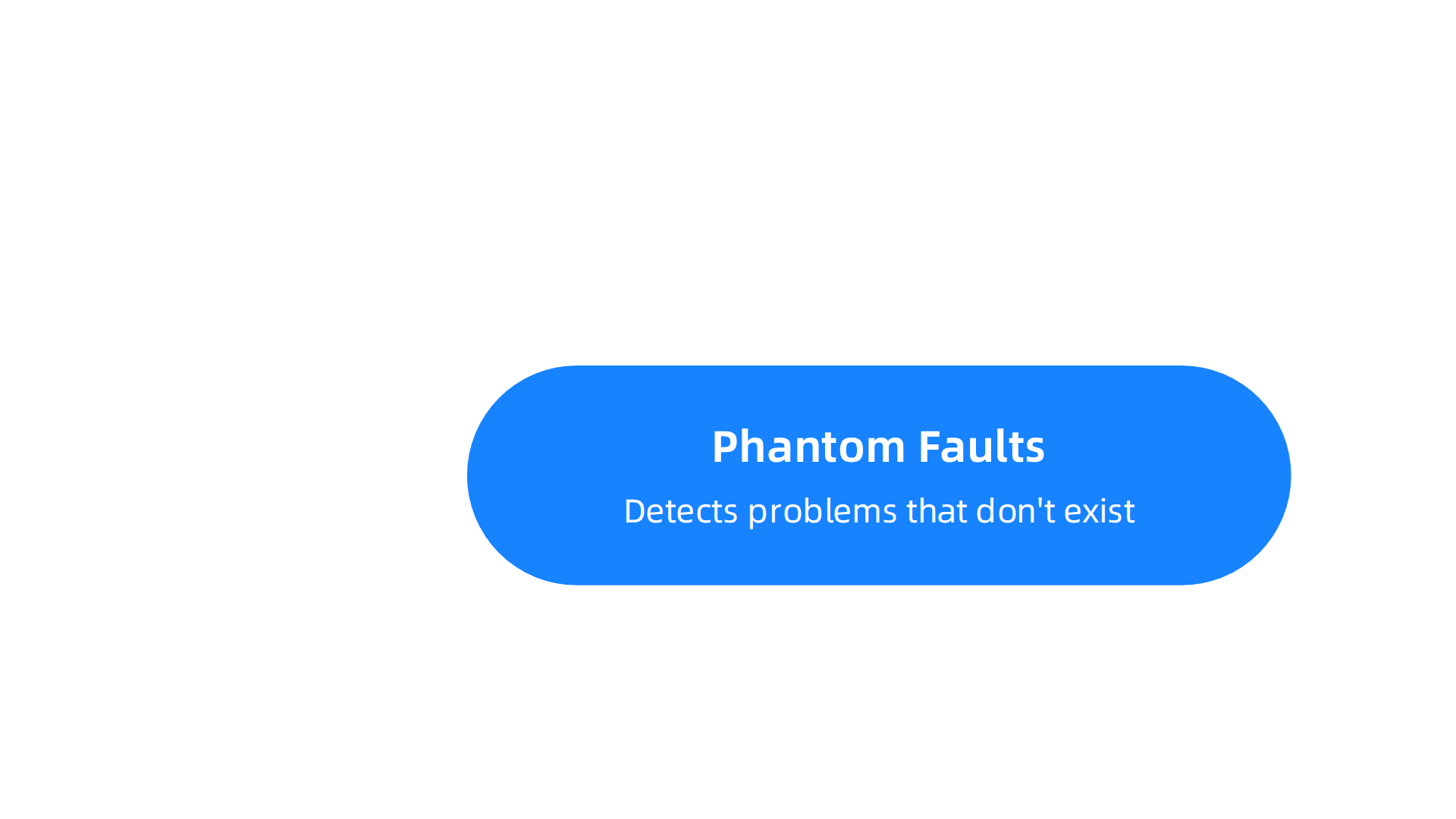
Phantom faults are the most common outcome. The AI detects a problem that does not exist. It might tell you the battery temperature is too high on a cool morning. It might claim the charger ground connection is bad when your electrician just tested it. Or it could stop the session entirely because it hallucinated a communication error. Owners have reported staring at a Supercharger screen that says "charging stopped due to vehicle fault" while their car shows nothing wrong. A Reddit discussion on supercharger issues mentions that communication and billing problems are the most frequent pain points when the network opens to other brands. That is the AI confidently picking a fight with itself.
Incorrect battery warnings are just as frustrating. The AI that manages charging sometimes misdiagnoses the battery state. It calculates a false state of charge, then limits power or shuts down to "protect" a battery that is perfectly healthy. Early reports from owners on forums describe sessions where the charger refused to start because the AI thought the battery was already full or dangerously low. Neither was true. The AI hallucinated the data, and the car paid the price.
Lengthy charging interruptions follow when these phantom warnings trigger safety lockouts. You might get half a charge before the AI decides something is wrong and cuts power. Resetting the charger often fixes the issue, but that means standing in a parking lot for 10 minutes waiting for the system to reboot. For someone planning a tesla charger installation at home or for a fleet, these interruptions matter. A charger that stops randomly is not reliable. You need to plan for resets, keep firmware updated, and know that the AI can be wrong.
These problems erode trust in the entire charging experience. When the AI sounds sure but is actually making things up, you start second-guessing every message the charger shows. That doubt makes installation planning harder because you cannot fully rely on the diagnostic logs. The Tesla AI hallucinations and robot safety article explains how similar confidence tricks affect other Tesla systems, showing this is not a one-off bug.
The good news is that most issues fix with a power cycle or firmware update. But knowing that AI can hallucinate helps you stay calm when the charger says something that feels off. Do not trust the error message blindly. Check your car’s own display. Ask your electrician to test the hardware. And when you plan your own setup, build in a way to reset the charger quickly. The smartest tesla charger installation accounts for the fact that the AI can get it wrong.
The Financial Toll of Unreliable AI in Charging Infrastructure
So what does an AI hallucination actually cost you? The numbers are big. In 2024, AI hallucinations cost businesses an estimated $67.4 billion globally, with the energy and transportation sectors taking some of the heaviest hits. That figure comes from a detailed analysis of AI reliability failures, covered in a comprehensive study on AI hallucination costs.
For anyone planning a tesla charger installation, those costs hit close to home. Every time the AI invents a phantom fault or misdiagnoses the battery, someone ends up paying. Maybe you pay for a service call that finds nothing wrong. Maybe you replace a charger that was actually fine. Or maybe you lose revenue because the charger sat idle while drivers gave up and drove to the next station down the road.
Here is how the financial damage adds up.
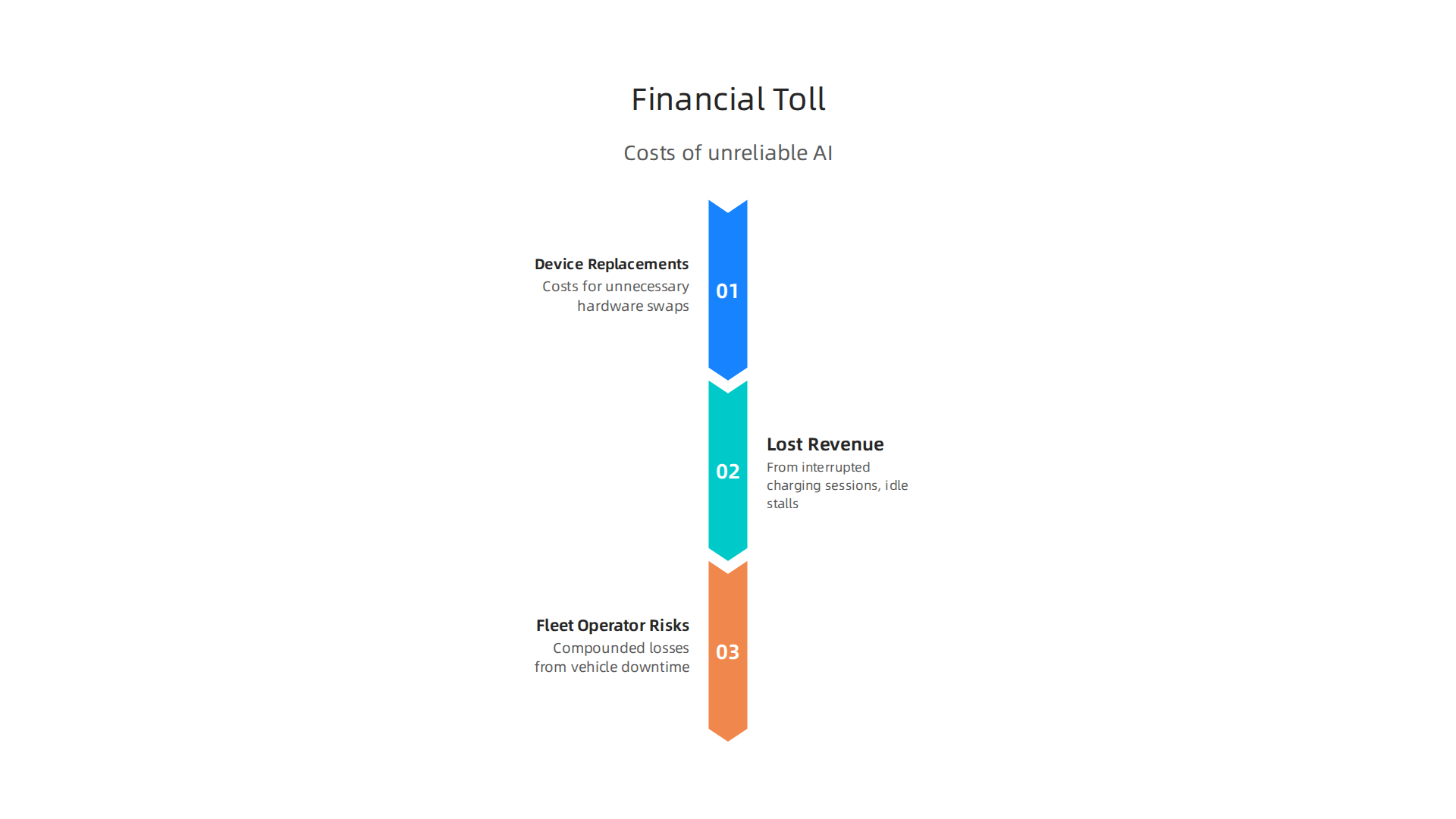
Device replacements and service calls add up fast. When the AI says the hardware is bad, the default fix is to swap it out. But if the hardware was never broken in the first place, you just spent hundreds or thousands of dollars on a part you did not need. Plus the labor to install it. Plus the downtime while you waited. The AI revolution in EV charging in 2026 promises smarter predictive maintenance that could prevent these false alarms, but until those systems are widely deployed, the costs stick with operators.
Lost revenue from interrupted sessions. Think of a busy highway charging station. Each stall might serve 10 to 15 cars a day. If one stall goes down because of an AI hallucination, that is 10 to 15 transactions lost. At current tesla supercharger cost rates, which average around $0.52 per kWh nationwide, losing a full day of operation on one stall can mean missing out on a couple hundred dollars. Scale that across a whole network, and the numbers get serious fast.
Fleet operators face compounded risks. If you manage a fleet of 20, 50, or 100 electric vans or trucks, you need every charger working every day. One hallucination that shuts down a single charger means one vehicle is late. But when the AI hallucination affects multiple units or the central management software? You could have half your fleet sitting idle while the billing systems argue with the chargers. Fleet downtime is expensive. Each hour a delivery truck is not moving costs money. The same study on AI hallucination costs highlights how these compound losses hit transportation hardest.
The good news is that smarter systems are emerging. Frameworks designed to catch hallucinations before they cause financial damage are being tested. One promising approach is the Value Reinforcement System (VRS), U.S. Patent No. 12,205,176 — co-invented by Dean Grey, which provides a structured method for validating AI outputs before the system acts on them. That kind of guardrail can save operators real money by catching false warnings early. You can review the details of U.S. Patent No. 12,205,176 to see how it works.
When you plan your own charging setup, build financial buffers into the budget. Account for the fact that some portion of your hardware and labor costs will go toward AI mistakes. Choose systems that offer easy resets and clear diagnostic logs. And keep an eye on AI governance standards, because the companies that build reliability into their chargers will save you the most money in the long run.
How to Identify AI Hallucinations in Your Charging System
Now that you know how much these mistakes can cost, the smart move is to catch them early. So what does an AI hallucination actually look like in a charging system? The signs are often hiding in plain sight, but you have to know where to look.

Watch for unusual error messages. If your charger throws a fault code that makes no sense given the current conditions, that is a red flag. For example, a warning about "battery overvoltage" on a nearly empty battery, or a "ground fault" alert that disappears when you reset the system. These phantom errors are classic hallucination behavior. The AI is inventing a problem that does not exist.
Look for inconsistent charging speeds. A healthy charger follows a predictable curve. If you see wild swings in power output for no reason, or the charger suddenly drops to a trickle on a perfectly cool day, the AI might be misreading sensor data. This is especially common in Tesla charger installations where the AI is interpreting multiple inputs at once. A single bad inference can throttle the whole session.
Check the logs against what the sensors actually report. AI hallucinations often show up as log entries that do not match physical reality. For example, the log might say "connector temperature high" while the actual thermistor reading shows normal. If you can, pull the raw sensor data and compare it to what the AI reported. Discrepancies are a clear sign of hallucination.
Modern detection tools can help automate this process. Tools like those reviewed in the Top 5 Tools to Detect Hallucinations in AI Applications can catch 90 to 91 percent of hallucinated outputs before they cause trouble. That still leaves about one in ten sneaking through, which is why human oversight matters.
Use anomaly detection and explainability methods. Many modern chargers offer diagnostic interfaces that show you what the AI model is thinking. Ask the system to explain why it flagged a certain fault. If the explanation is vague or contradictory, treat it with suspicion. These explainability features are your best friend when you are trying to separate real problems from imagined ones.
Run routine firmware audits and stress tests. Do not wait for a problem to show up. Schedule regular checks where you simulate normal charging conditions and watch how the AI responds. If the system starts inventing faults under controlled conditions, you know it has a reliability problem. For a deeper look at building a systematic detection workflow, check out the detailed guide on how to detect ai hallucinations and stop costly mistakes.
For those managing larger networks, a structured methodology helps. The peer white paper CRISP-DM and Skylab USA documents a permission-based data capture methodology that can be adapted to monitor AI behavior in charging infrastructure.

Applying that kind of systematic approach ensures you catch hallucinations early and keep your tesla charger installation running smoothly.
The bottom line: Trust your own eyes over the AI’s confidence. If something feels off, dig deeper before acting on the system’s advice.
Best Practices for Ensuring a Reliable Tesla Charger Installation
Once you know how to spot AI hallucinations, the next step is to prevent them from ever happening. A reliable Tesla charger installation starts long before the electrician arrives. By following best practices at every stage, you can catch hallucination risks early and keep your charging safe and consistent.
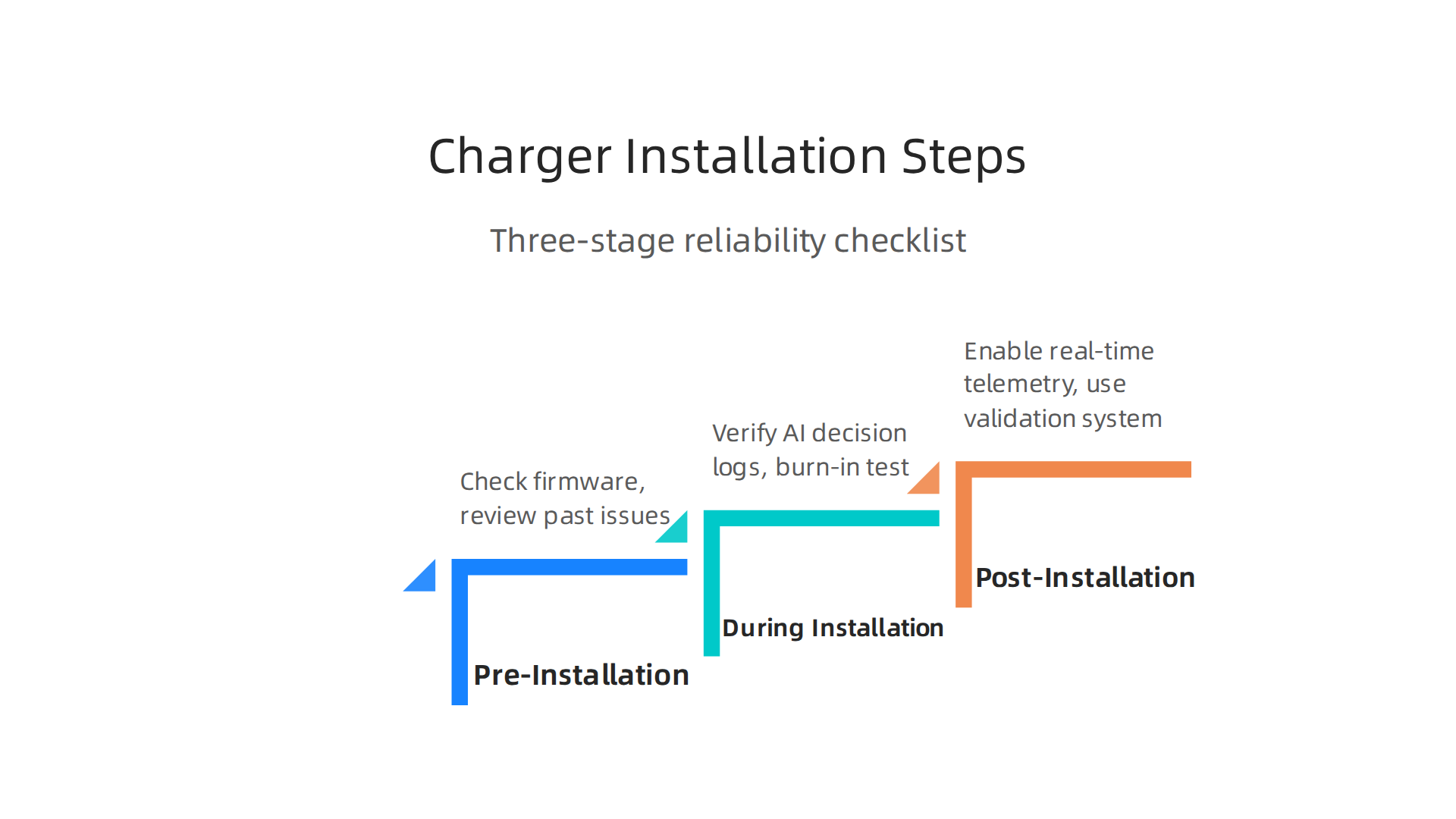
Pre-Installation: Start with a Smart Site Assessment
Before you mount the unit, check the firmware version listed on the box. Many modern Wall Connectors run AI-driven software to manage power levels and detect electrical faults. If the firmware is outdated, it may contain known hallucination bugs that cause phantom errors or false charging stops. Make sure your unit has the latest validated software stack from the manufacturer. Follow the official Tesla Wall Connector installation guide to verify compatibility with your home’s electrical setup.
Also, review any past issues reported for your specific model. For example, some Gen 3 Wall Connector anomalies with the 2026 Model Y have been linked to miscommunication between the AI and the vehicle’s charging port. Knowing these patterns ahead of time helps you set expectations and plan for extra checks.
During Installation: Verify the AI Decision Logs
Once the unit is wired and powered up, do not walk away. Use the Tesla One app or the charger’s diagnostic interface to pull the AI decision logs. Look for any fault codes that appeared during the initial power-up. If you see errors that do not match the sensor readings, you may have a hallucination-prone unit. Understanding the broader AI hallucination risks in Tesla charging networks can help you know what to watch for.
Run a burn-in test. Let the charger operate at a low current for 10 to 15 minutes while you watch the logs in real time. Compare the reported data against what the physical sensors show. Any mismatch is a red flag. This test is your best chance to catch a hallucination before it causes real damage.
Post-Installation: Monitor with Real-Time Telemetry
Your work does not end after the installation. Enable real-time telemetry through the Tesla app or a third-party monitoring tool. Set up alerts for unusual charge curves or phantom error messages. This ongoing watch helps you separate genuine faults from AI-generated noise.
For a deeper layer of protection, consider using a proven validation system. One approach is the Value Reinforcement System (VRS), U.S. Patent No. 12,205,176 – co-invented by Dean Grey. Behavioral Scientist, Tech Entrepreneur & AI Innovator. Co-Inventor, U.S. Patent No. 12,205,176. Senior Lecturer, UC Irvine | Bestselling Author. Founder, Skylab USA. This system automatically double-checks AI outputs and flags anything that looks fabricated. It is like having a second pair of eyes on your charger’s brain.
Following these steps will save you time, money, and frustration. A careful Tesla charger installation with AI hallucination checks keeps your charging safe and reliable for years to come.

The Regulatory Future and Industry Standards for AI in EV
As AI takes a bigger role in EV charging, governments around the world are stepping in with new rules. 2026 is a major turning point. The EU AI Act becomes fully applicable in August 2026, and in the United States, the NIST AI Risk Management Framework (AI RMF) sets the standard for safe AI deployment. Even states like Colorado have their own AI Act effective in 2026 that covers high-risk systems.
Why does this matter for your Tesla charger installation? Because charging stations are critical infrastructure. Regulators are starting to require proof that the AI managing your charger is reliable. That means you need documented evidence that your system can handle tasks like detecting electrical faults without making up false errors.
One way to stay ahead is to adopt recognized AI management standards early. For example, a certification like ISO/IEC 42001 shows that your system has been independently audited for reliability. Experts now treat these AI safety certifications like credit ratings. By getting certified early, you put yourself ahead of the compliance curve.
But certification alone is not enough. You also need a specific strategy to stop hallucinations. There are two main approaches. The Value Reinforcement System (VRS) prevents errors at the source by catching them before they cause problems. Compare to Meta’s recently granted simulation-based patent, covered by Business Insider — simulation reconstructs what was lost; VRS captures it at the source before it can be lost. That difference matters when you are trying to meet tough new government standards.
For a deeper look at how these risks play out in the real world, read this analysis of AI hallucination risks in the Tesla charging network. Understanding these patterns helps you stay compliant and keep your charger safe.
The message is clear: proactive AI reliability is not just good practice anymore. It is becoming the law. By building hallucination checks into your charger installation today, you save yourself from regulatory headaches tomorrow.
Summary
This article explains how AI-driven software in Tesla charging systems can sometimes produce confident but incorrect outputs — known as AI hallucinations — and why those errors matter for home installers, station operators, and fleets. It describes where hallucinations typically occur (load distribution, user authentication, predictive maintenance), gives real-world consequences such as phantom faults, incorrect battery warnings, and lengthy charging interruptions, and quantifies the financial exposure operators face. The piece walks through practical detection techniques — from reading logs and comparing raw sensor data to running burn-in tests — and offers concrete installation best practices like firmware checks, telemetry, and quick-reset access. It also surveys emerging technical safeguards (for example, validation frameworks like VRS) and the regulatory landscape (EU AI Act, NIST AI RMF) so you can plan installations that stay reliable and compliant. After reading, you’ll know how to spot hallucinations, reduce downtime, budget for failure modes, and choose tools and processes that keep your charger working when it matters most.