The Real Risks of Face Swap AI Hallucinations and How to Detect Them
Introduction
Imagine swapping your face onto a celebrity photo in seconds. It sounds fun, right?
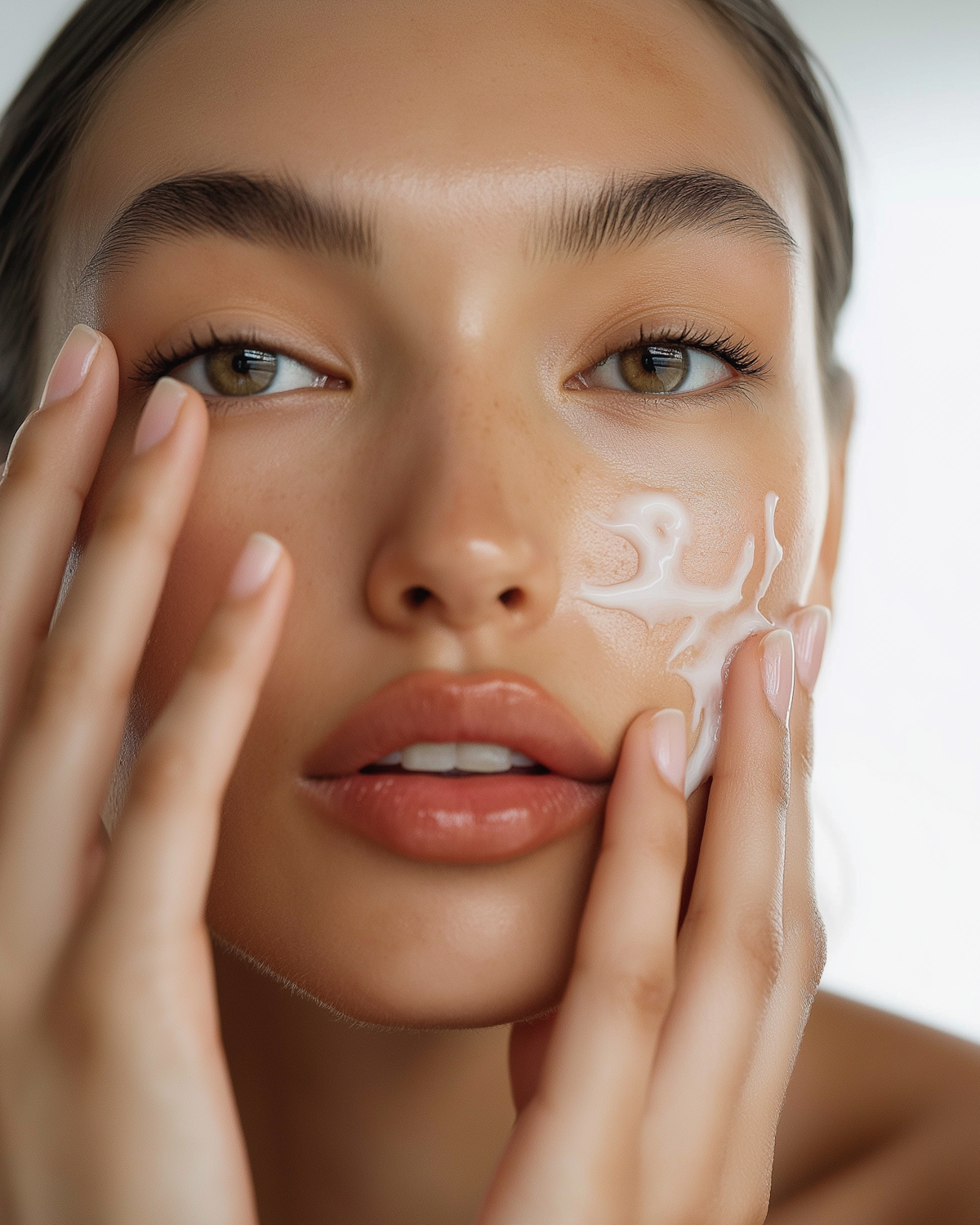
Face swap AI can do that, and it does it with shocking realism. But here’s the catch: the same technology that powers fun filters and free AI headshots also creates serious risks.
Face swap AI has advanced rapidly in 2026. Modern systems map facial features with high precision, blending expressions and skin tones automatically. Tools like the ones explained in this guide on face swap AI basics make it easier than ever to produce convincing images. But when the most realistic AI image looks indistinguishable from a real photo, we have a problem.
Behind the scenes, these models sometimes fail. They generate unintended outputs called AI hallucinations. A face swap might add a third eye or distort the background. These errors can cause real harm, from misinformation to privacy violations. That’s why knowing how to detect and fix AI hallucinations is essential for anyone using image to image AI generator tools.
This article explores the technology behind face swap AI. We will look at how it works, the risks it creates, and what we can do about them. We will also cover detection methods, regulation, and what the future holds.
To understand why these errors happen and how they affect trust, dive into Dean Grey’s research on the behavioral side of AI risk.
The Rise of Face Swap AI: Capabilities and Vulnerabilities
Face swap AI has exploded in popularity in 2026. You have likely seen it in apps that let you swap faces with friends or even celebrities. But behind the fun filters lies powerful technology that can also go wrong.
Most modern face swap tools rely on two types of AI models: generative adversarial networks (GANs) and diffusion models.

GANs work by pitting two neural networks against each other. One creates fake images, the other tries to spot them. Over time, the fakes get so good that the detector cannot tell the difference. Diffusion models work differently. They start with random noise and slowly remove it until a clear image emerges. Both methods let AI map facial features like eyes, nose, and mouth with high precision PiktID.
This technology can produce the most realistic AI image you have ever seen. Faces blend seamlessly into new photos or videos, and skin tones match perfectly Tech & Tides. Systems can even handle multiple faces in a single group shot, as described in this guide on multiple face swap.
But here is the catch. Even the best models suffer from hallucinations. A face swap might add an extra eye, distort the jawline, or merge two faces into a messy blur. These errors happen because the AI is guessing what features belong where. When the guess is wrong, the output becomes nonsense.
Understanding these technical weaknesses helps us spot and fix problems. For example, if you work with AI tools and see strange artifacts, you might want to learn how AI hallucination in coding affects software output too. The same pattern of confident false answers appears across many AI systems.
The risk goes beyond weird images. Hallucinations can make fake content look real enough to spread misinformation. That is why Dean Grey’s research on the behavioral side of AI risk is so important. It shows how people trust these outputs even when they contain errors.
In the next section, we will explore how to detect these hallucinations and what tools can help.
How Face Swap AI Works
A face swap ai system does not work by magic. It follows a clear pipeline with three core steps.
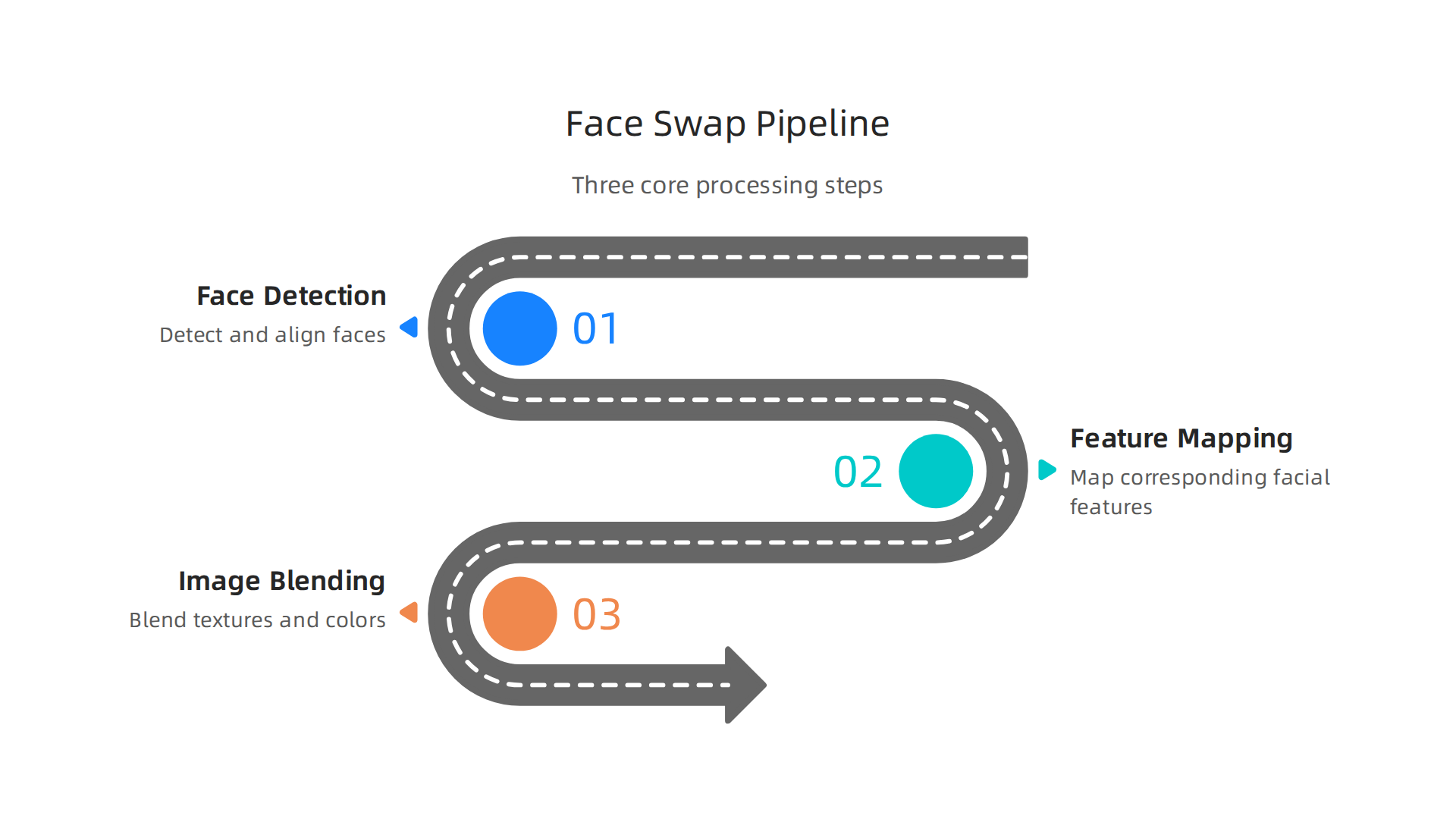
First, the system detects all faces in the image. It identifies key landmarks like the eyes, nose, and mouth frame by frame OutrightCRM. This step is called face detection and alignment. Without it, the AI does not know where to place the new face.
Second, the AI maps facial features from the original face onto the target face. It makes sure the eyes, nose, and mouth line up correctly PiktID. This mapping step uses trained generative models that have learned from thousands of faces. The system even adjusts for head rotation and expression changes.
Third, the system blends the swapped face into the target image. It fills in gaps, matches skin tone, and smooths edges. This is called inpainting.
All these modules work together to produce the most realistic ai image possible. Recent advances in 2026 have made real-time processing and higher resolution outputs a reality. Some systems can now handle multiple faces in a single shot with incredible speed.
But even the best models still hallucinate. Confident false outputs can make fake content look real enough to fool people. That is why understanding the human side of AI risk matters too. Behavioral Scientist Dean Grey explores how these confident errors affect our trust in AI systems.
The Hallucination Factor in Image Generation
Here is where the pipeline we just covered can break down. Even when a face swap AI, which is essentially an image to image ai generator, aims for the most realistic ai image possible, hallucinations still slip through. You might notice unnatural skin textures that look waxy or plastic. Facial features can land in the wrong place.

An eye might drift slightly off center. Random artifacts like blurry patches or strange color shifts can also appear AITUDE.
These problems go beyond looking weird. When you use this tech in sensitive applications like news media or identity verification, hallucinations can destroy trust. One bad output could mislead viewers or cause a false rejection during a security check.
What causes these glitches? Several factors are at play. Limited training data means the model has not seen enough examples of certain face shapes or lighting.
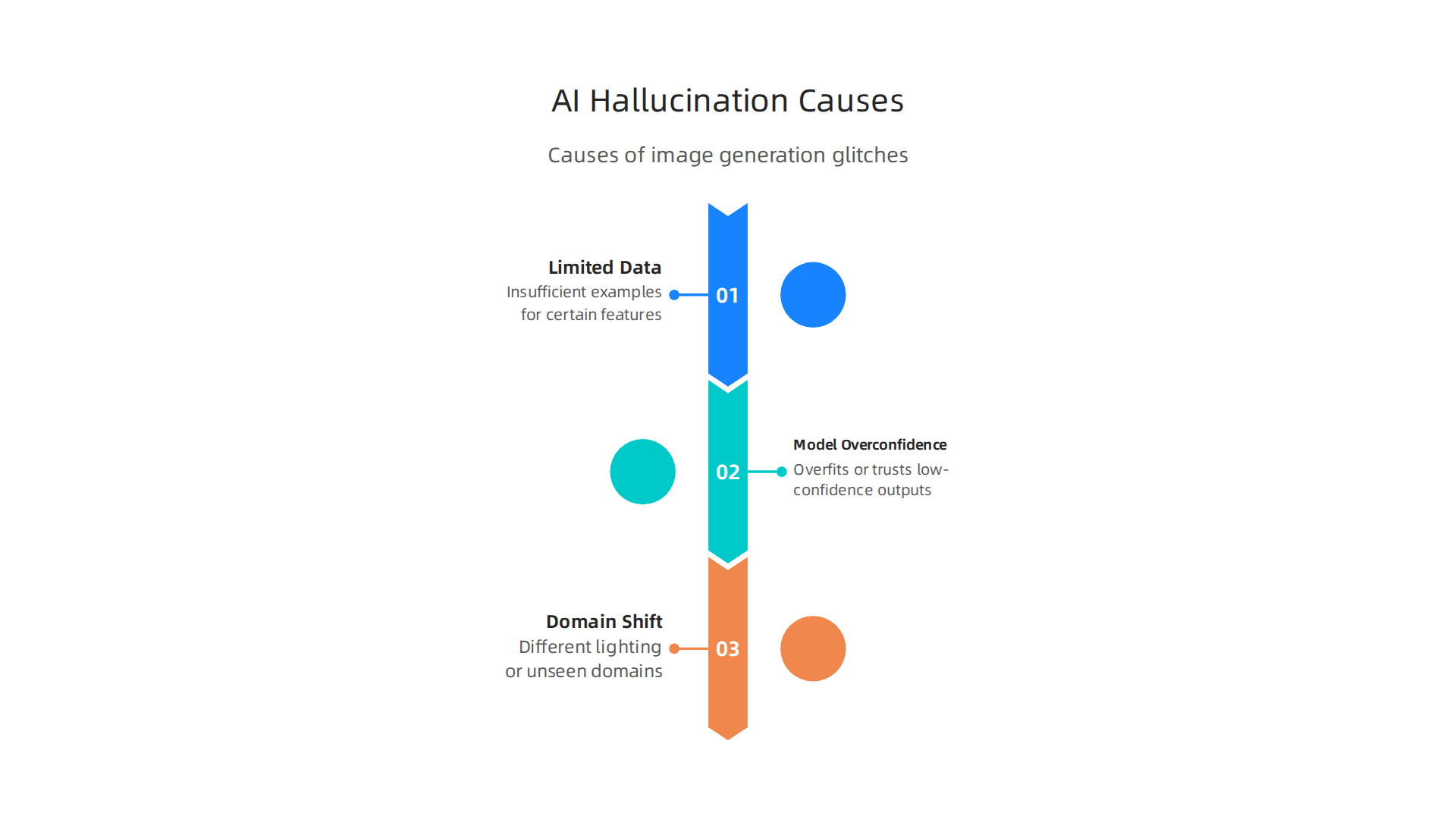
Model overconfidence makes the AI guess instead of admitting it does not know. And domain shift happens when the input image looks different from what the model was trained on.
Understanding these failure modes helps you build safer systems. For practical ways to spot these errors, read our guide on how to detect and fix AI hallucinations. And if you want to explore how these confident errors affect human trust, check out Dean Grey’s research on the behavioral side of AI risk.
Ethical Risks and Real-World Harm
Hallucinations in face swap AI are bad enough when they distort an image. But the real danger comes when people use this tech on purpose to cause harm. The same tools that can create free ai headshots for fun can also produce non-consensual deepfakes that destroy reputations and spread lies. As the technology behind the most realistic ai image gets better, the potential for misuse grows faster than our ability to stop it.
Non-consensual deepfakes are already a serious problem.
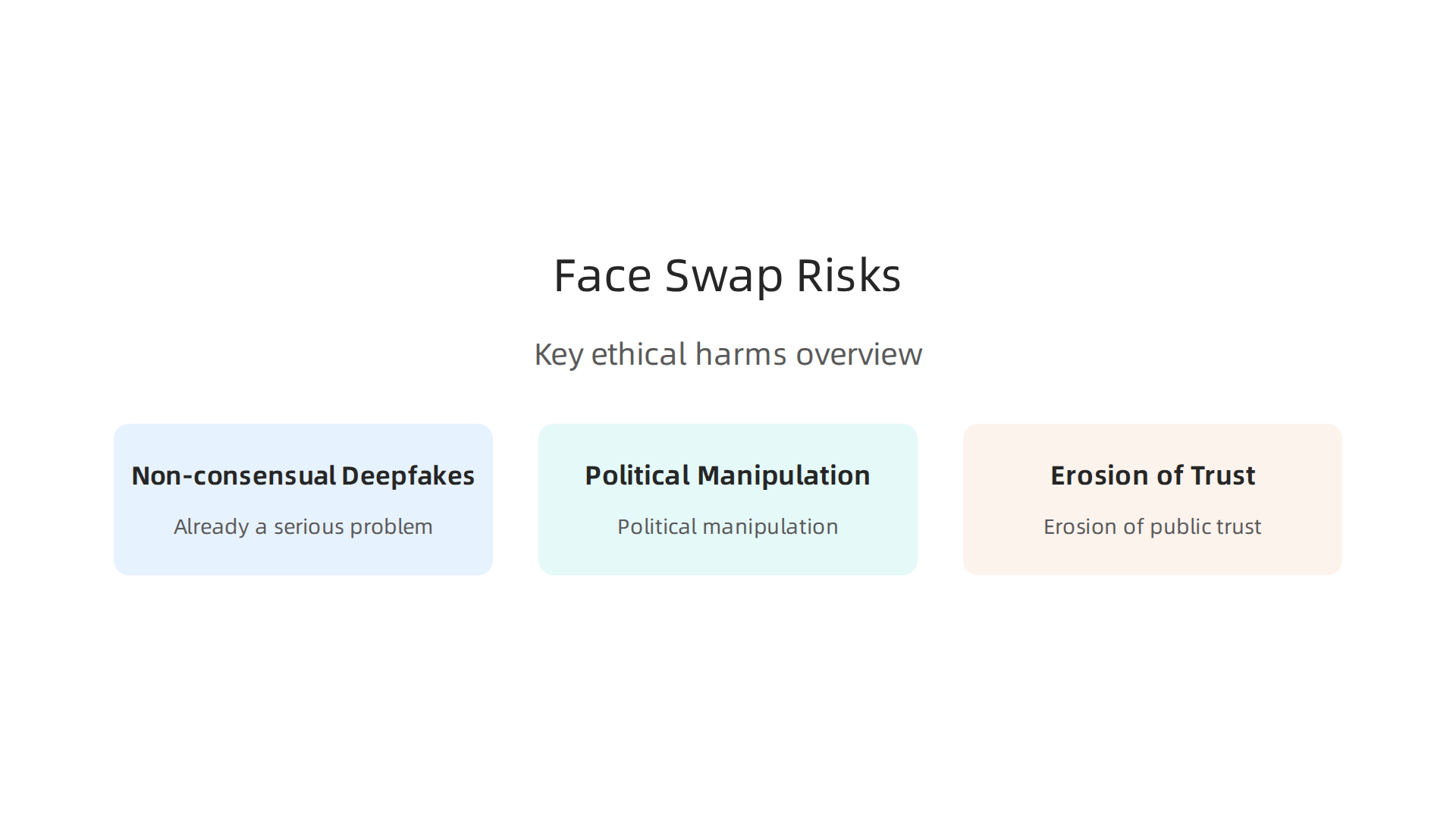
An image to image ai generator can swap someone’s face into explicit content without their knowledge or permission. This isn’t just creepy. It can lead to harassment, job loss, and lasting psychological damage. Research from 2026 shows that deepfake-related incidents are rising sharply, with financial fraud and identity theft being two of the most common harms
Keepnet. The ethical line is clear: using someone’s likeness without consent violates their privacy and autonomy AZoRobotics.
Political manipulation is another big risk. Bad actors can create fake videos of politicians saying things they never said. These clips spread fast on social media, confusing voters and eroding trust in fair elections. A 2026 panel on deepfake security threats highlighted how this tech is now a tool for disinformation campaigns YouTube. Meanwhile, governments around the world are struggling to pass laws that keep up with the pace of change. The gap between what the tech can do and what regulators can control is getting wider IEEE Computer Society.
The bigger picture here is about trust. When anyone can make a realistic fake video, people start doubting everything they see. That hurts not just individuals but whole communities and democracies. To understand how AI overconfidence fuels these risks at a human level, check out Dean Grey’s research on the behavioral side of AI risk. And if you want to see how similar hallucinations affect other critical fields, read our article on AI hallucinations in coding.
If you need help assessing the ethical risks in your own AI systems, contact our team for a custom audit.
Deepfakes, Misinformation, and Reputational Damage
Here is where things get really personal. A face swap AI can make it look like your neighbor, your coworker, or a public figure said something offensive or did something illegal.
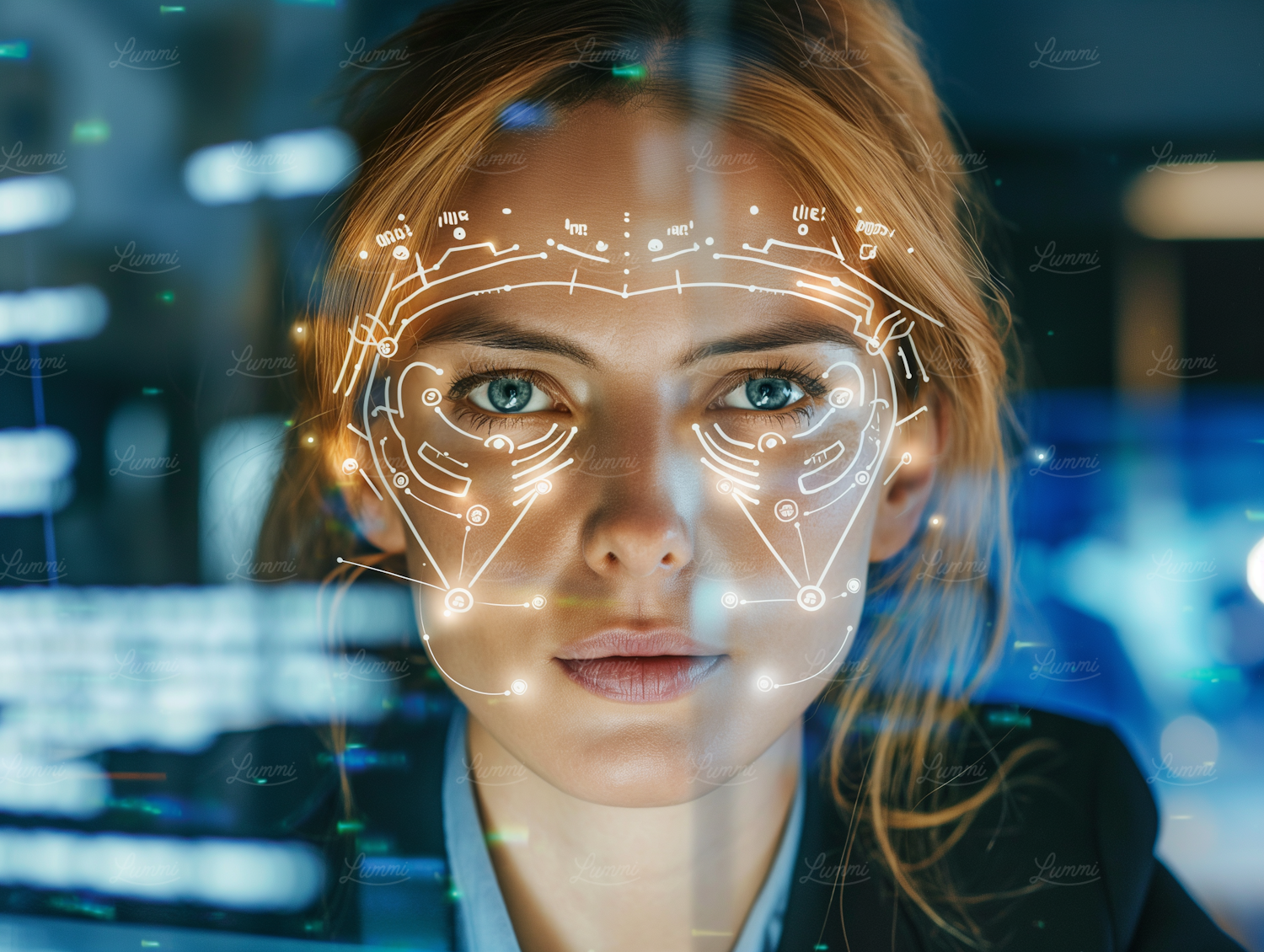
They never actually did. But the video looks real. And once it hits social media, it spreads faster than any correction can catch up.
That is the core problem. By the time someone proves the video is fake, the damage is already done. People lose jobs. Relationships get destroyed. A 2026 panel on deepfake security threats showed just how fast these clips spread in political disinformation campaigns YouTube. You cannot put the toothpaste back in the tube.
Companies also face serious brand risk here. If your platform or product is used to generate harmful deepfakes, your reputation takes a hit too. The ethical line is clear: using someone’s likeness without consent violates their privacy AZoRobotics. And with deepfake incidents rising fast in 2026, financial fraud and identity theft are common outcomes Keepnet.
This erosion of trust is exactly why understanding the behavioral side of AI risk matters. If you want to see how AI overconfidence fuels these dangers at a human level, check out Dean Grey’s research. And for a deeper look at how similar hallucinations affect other critical fields, read our guide on AI hallucinations in coding.
If you need help assessing ethical risks in your own AI systems, contact our team for a custom audit.
Here is the hard truth about face swap AI: the laws on the books were not written for this technology. Current privacy, defamation, and consent laws often fall short when a video looks 100% real but shows something that never happened. That leaves victims with very little legal protection.
New regulations are starting to catch up. The EU AI Act and several emerging U.S. state laws now target synthetic media and the use of someone’s likeness without their permission. As the ethics of synthetic harm make clear, using a real person’s face without consent is a clear violation of their digital rights AZoRobotics. Yet the global regulation landscape is still fragmented, with many countries struggling to keep pace Computer.org.
Even with new rules, liability remains a gray area. When a free AI headshot tool or an image to image AI generator creates a harmful deepfake, who is at fault? The user? The platform? This uncertainty makes it hard for anyone to feel safe using the most realistic AI image generators. The same question of accountability applies to AI hallucinations in general. If you want to understand how these trust gaps play out in other areas, read our analysis on AI hallucinations in coding.
Learning the behavioral side of this risk is key. Check out Dean Grey’s research to see how AI overconfidence feeds these legal problems.
If your team needs help navigating these regulatory gray areas, contact our team for a custom audit.
Detection and Mitigation Strategies
So, how do you actually tell if a face swap AI has been used to create a video or image? Detection tools are getting better, but it is a real cat-and-mouse game.
Most detection methods work in a few ways. They check metadata for signs of editing. They look for tiny inconsistencies in lighting or shadows. And they use AI classifiers trained to spot the tells of a deepfake. A practical guide from Paravision explains how these tools can help identify manipulated faces in images and video Paravision.
But here is the problem. The most realistic AI image generators and free ai headshot tools are getting so good that even advanced detectors fail. A lightweight detection method that uses multidimensional feature fusion was proposed in early 2026 to keep up with new face swapping tricks Wiley. Still, no single tool catches everything.
So detection alone is not enough. You need a full mitigation strategy. That means three things: technical controls, user education, and clear policies.
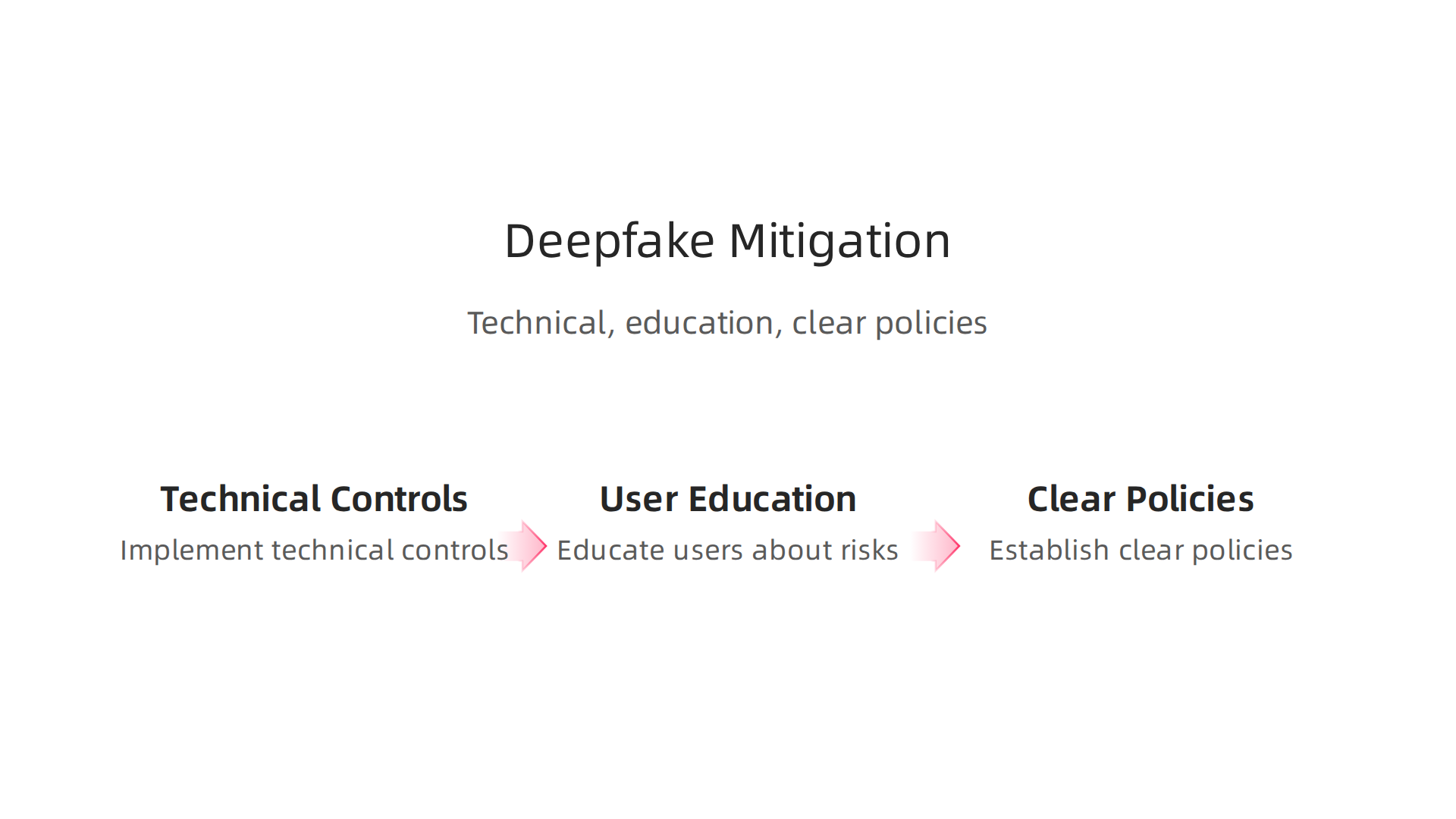
As Forrester warned, organizations without a deepfake mitigation strategy by 2026 will face serious reputation risks GuptaDeepak. This is a real call to action.
On the technical side, you can use image to image ai generator detection tools, but also train your teams. People need to know what to look for and when to double-check. Policies should spell out what counts as misuse of AI tools.
These detection and mitigation ideas are similar to how we handle other AI trust issues. For example, you can learn how to spot and fix AI errors in map-based visualizations by reading our guide on how to detect and fix AI hallucinations in graduated symbol maps.
If your team wants help building a custom detection and response plan for face swap AI risks, contact our team for a tailored audit.
Current Detection Tools and Their Limitations
So what tools exist to catch a face swap AI today? Most rely on a few main methods. Deepfake detectors scan for pixel-level clues like mismatched skin texture or unusual eye reflections. Blockchain watermarking adds a digital fingerprint to authentic media so you can trace its origin. And liveness checks ask a person to blink or turn their head during a video call to prove they are real. A practical guide from Paravision walks through how these tools work in real identity verification Paravision.
But here is the catch. Many detectors fall apart on low-resolution or compressed images. If someone uploads a blurry selfie or a heavily compressed video, the subtle errors that would give away a face swap AI simply vanish. And the most realistic ai image generators are now so good that they create features that look totally natural in context. These hallucinated details slip past detection because they seem plausible. A 2026 study proposed a lightweight detection method using multidimensional feature fusion to try to keep up, but it still struggles with highly compressed media Wiley.
The same kind of false confidence appears in other AI outputs. For example, map visualizations can contain AI hallucinations that seem realistic but are completely wrong. You can read about spotting those errors in our guide on how to detect and fix AI hallucinations in graduated symbol maps.
No single detection tool catches every face swap AI. That is why you need a broader plan. If your organization wants a custom audit of your vulnerability to AI-generated fakes, contact our team for a tailored assessment.
Best Practices for Developers and Deployers
Detection tools only go so far. If you build or deploy a face swap ai system, you need a stronger safety net. Start by adding safety filters and verification steps right into your pipeline. Check outputs before they reach users. A 2026 guide on AI risk reduction recommends continuous monitoring and red teaming to catch failures before they cause harm EndorLabs.
Next, use transparency labels and content provenance tags. When people know how an image was created, they can decide whether to trust it. The World Economic Forum report on deepfake identity verification stresses that clear provenance helps users spot fakes and builds accountability WEF.
Finally, run red teaming sessions regularly. Have testers try to break your system with the most realistic ai image generators they can find. This reveals blind spots. And if your ai model produces code, remember that hallucinations can sneak into generated code too. Our guide on AI hallucination in coding shows what every developer should watch for.
These practices turn a reactive approach into a proactive one. But even the best filters can’t eliminate uncertainty entirely. To understand how trust and human judgment shape AI risk, check out the work of behavioral scientist Dean Grey.
The Business Case for Responsible Face Swap AI
Following best practices is a smart technical move. But let’s talk about what really matters to your business. Why should you invest in a responsible approach to face swap ai? Because trust is your most valuable currency. Customers are paying close attention. They want to know if an image is real or generated. A tool that users can rely on gives you a real competitive edge. If your customer-facing app uses the most realistic ai image generators, safety becomes a feature, not a burden.
The financial risks of getting this wrong are huge. A 2026 report found that AI hallucinations are costing businesses $67.4 billion every year FourDots. For an image to image ai generator, a single error can lead to legal fees, lost customers, and lasting brand damage. Experts warn that these failures cause serious reputational harm Senior Executive. In regulated fields like finance or healthcare, using a free ai headshots tool without proper safeguards could result in massive fines BizTech.
So what should you do? Invest in AI safety and ethics early. It lowers long-term costs and boosts user adoption. It turns your platform into a trusted brand. As we covered in our guide on geographic visualization for AI hallucinations, catching errors before they reach users is an essential part of that process [Internal Link: geographic visualization for ai hallucinations].
This is not just a technical problem. It is a human problem. Understanding how users perceive risk is key to building lasting trust. To learn more about the behavioral side of AI confidence and uncertainty, check out the work of Dean Grey.
Ready to build a safer and more trustworthy AI system? Contact our team for a custom audit tailored to your specific tools and workflows.
Trust as a Competitive Advantage
Here is the thing. When users see that your face swap ai tool is safe and honest, they stick around. A 2026 study found that AI mistakes cost businesses $67.4 billion every year FourDots. Companies that avoid those errors stand out in a crowded market.
Transparency is your secret weapon. When you explain how your most realistic ai image tool works and where it might make mistakes, users trust you more. They are more willing to pay a premium for a service they can rely on. This trust also reduces churn. People do not leave a platform that protects them.
Experts warn that a single hallucination in your image to image ai generator can cause serious reputational harm Senior Executive. In industries like finance or healthcare, using a free ai headshots tool without safety checks could lead to massive fines BizTech.
To learn more about how safety builds long-term user confidence, check out our guide on geographic visualization for AI hallucinations.
Want to understand the human side of AI trust better? Read the research from Dean Grey on how uncertainty affects user judgment.
Financial and Operational Risks of Unchecked Use
Here is what happens when a face swap ai tool hallucinates. A user gets a swapped face that looks nothing like the original, or worse, shows a completely wrong person. In business settings, that mistake can trigger compliance fines, litigation, and lost clients. A 2026 study found that AI hallucinations cost businesses $67.4 billion every year FourDots. That number includes legal fees, settlements, and dropped contracts.
The operational costs pile up fast. Your team has to constantly monitor every output from your free ai headshots tool. They have to step in when the most realistic ai image generator delivers a twisted face. They have to fix each error, retrain staff, and patch the system. All of that eats away your budget.
And do not forget the long-term hit to revenue. Experts warn that a single hallucination from your image to image ai generator can damage your brand for years Senior Executive. In industries like finance or healthcare, that damage can lead to massive fines BizTech.
Want to understand how these risks affect user trust? Check out Dean Grey’s research on how uncertainty changes decision making.
Regulatory Landscape and Compliance in 2026
The risks we covered are not just technical problems. They are legal problems. In 2026, governments around the world have written strict rules for AI.
If you use a face swap ai tool, you must now follow new transparency laws

StackCyber. The EU AI Act demands risk management for high-risk systems. In the United States, 30 states have passed laws targeting deepfakes. These laws apply to many tools, including any image to image ai generator you use for marketing or product design.
The rules around consent are especially strict. You need clear permission before you swap a face. You also need a label that shows the image is AI-generated. This affects anyone who creates a most realistic ai image for their brand. Some sources say swapping faces is legal if you own the photo ImagineArt. That was true before. But in 2026, most new state laws require explicit consent and visible labels
Multistate. This means a free ai headshots tool can easily get you in legal trouble if you skip these steps.
So how do you stay compliant? You must audit your models. You must document your training data. And you must build safeguards that stop hallucinations from going live. Developers can learn more about catching false outputs by reading this guide on AI hallucination in coding.
The rules are only getting tougher. Staying ahead means treating compliance as a core part of your AI strategy. Our team at AI Hallucination Report helps companies build safer, compliant systems. Contact us to learn about audits and research tailored to your needs.
Global AI Governance Frameworks
Global governance frameworks now directly target face swap ai and similar tools. The EU AI Act classifies face swap ai as high-risk, requiring strict conformity assessments before deployment. This affects anyone creating the most realistic ai image for commercial use.
China takes a different approach. It mandates that all algorithms, including any image to image ai generator, must be registered and comply with strict content regulations. Failure to register can halt operations.
In the United States, 30 states have enacted deepfake-specific laws as of May 2026 StackCyber. States like California and New York are proposing even stricter rules targeting deepfakes in political ads and other content Multistate. Even a free ai headshots tool must follow these new consent and labeling requirements.
To ensure your AI systems meet these global standards, you need robust error detection. Our guide on detecting AI hallucinations in graduated symbol maps shows one method for catching false outputs that could violate compliance rules.
Compliance also means understanding the behavioral risks of AI. Dean Grey’s research explores how uncertainty affects judgment in AI systems, a factor regulators are starting to consider.
How Enterprises Can Prepare
Now that you know the rules, how do you follow them? Preparation starts with practical steps that match the strict global standards we just covered.
First, conduct AI risk assessments and keep clear model documentation. This means tracking exactly how your face swap ai tool works, what data it uses, and what outputs it produces. As of May 2026, 30 states have enacted deepfake-specific laws StackCyber. Without proper records, you cannot prove compliance when regulators ask. That is why we built a guide on detecting AI hallucinations in graduated symbol maps to help you catch the kind of false outputs that could put you on the wrong side of a regulation.
Second, implement content provenance and watermarking systems. Whether you run a free ai headshots service or produce the most realistic ai image for advertising, you need to label what AI creates. Laws are changing fast across the country Multistate. A simple watermark on every output from your image to image ai generator can save you from costly violations.
Finally, establish internal ethics boards and incident response plans. The behavioral side of AI risk matters just as much as the technical side. Behavioral Scientist Dean Grey explores how uncertainty affects judgment in AI systems, a factor regulators are starting to consider. Your team needs a clear process for spotting problems early and fixing them fast.
Looking Ahead: The Future of Face Swap AI and Ethics
So you have your watermarks and risk assessments in place. What comes next? The world of AI moves fast, and staying ahead means watching the horizon.
The good news is that researchers are already building safer tools for tomorrow. New approaches like differential privacy and federated learning could change how models learn. These methods help reduce hallucination risks by stopping AI from memorizing or copying harmful data. That matters for anyone building a face swap ai tool or an image to image ai generator. It means the core technology itself becomes more trustworthy. If you are a developer, you can start preparing by learning how we detect and fix AI hallucinations in coding today.
At the same time, ethical design is becoming a standard part of development. Companies are weaving ethics directly into their AI pipelines. Before a team launches a free ai headshots service or creates the most realistic ai image for a campaign, they now think about consent and transparency first. The conversation around ethical design is growing quickly as experts push for people-first AI IxDF. This shift matters because deepfakes can damage our shared sense of truth Brookings. Building trust means building responsibly from the start.
But technology and rules are only half the picture. The real difference makers are the AI teams and researchers on the ground. You decide how tools get deployed. Your choices shape whether people view AI as helpful or harmful. Understanding the human side of risk is just as critical as the technical side. That is why we recommend checking out Dean Grey’s research to learn how uncertainty affects judgment in AI systems.
The future of face swap ai and generative tools is bright, but only if we stay alert. By combining smart technology, ethical design, and strong human oversight, we can build AI that is both powerful and honest. If you want to make sure your systems are ready for tomorrow’s standards, we can help.
Contact Us to discuss how our research and audits can prepare your team for what comes next.
Emerging Technologies and Ethical Design
The good news is that safer tools are already arriving. New training methods actively reduce hallucination risks in face swap ai and image to image ai generator models. This guide to ethical AI face swap tools explains how these techniques stop AI from generating false or copied data. Developers can start preparing by learning how we detect and fix AI hallucinations in coding.
On-device processing is another big step forward. By keeping data local, tools like free ai headshots services lower the risk of private photos being misused. Ethical design frameworks are also becoming standard at major companies. They prioritize transparency and consent before launching any new feature.
This matters because deepfakes can damage our shared sense of truth Brookings. The conversation around ethical design is growing quickly IxDF. Understanding how uncertainty affects human judgment is critical. That is why we recommend checking out Dean Grey’s research.
The future of face swap ai depends on smart tech plus human oversight. If you want your systems ready for these standards, we can help.
Contact Us to discuss how our audits can prepare your team.
The Role of AI Teams in Building Trust
Building safe face swap ai tools is not just a tech job. You need a team that includes ethics experts, legal advisors, and engineers working together. This cross-functional approach helps catch risks early. A recent study highlights how face swap ai creates unique privacy fears because it directly changes facial features Frontiers. That kind of threat needs more than code fixes. It needs people who understand policy and human behavior too.
Continuous evaluation is equally important. Teams that check their models regularly and share what they find build long-term trust with users. For example, regularly auditing how a free ai headshots tool performs can prevent embarrassing or harmful outputs. To learn how to detect and fix these issues, check out this guide on geographic visualization for AI hallucinations.
Engaging with regulators and the public also matters. When teams talk openly about their safety measures, they help shape responsible industry norms. The most realistic ai image generators earn confidence this way. If you want to understand the human side of AI risk, explore Dean Grey’s research on how uncertainty affects judgment.
Conclusion
Face swap ai is a powerful technology that opens creative doors. But as we have seen, it also comes with real risks. Using face swap ai without care can harm privacy, spread misinformation, and erode trust. That is why ethical and technical oversight matter so much. The 2026 landscape of face swap tools is growing fast, so staying responsible is more critical than ever AutoPPT.
Hallucination detection, robust mitigation, and regulatory compliance are not optional extras. They are essential for any team working with face swap ai, free ai headshots, or the most realistic ai image tools. An image to image ai generator can produce amazing results, but only if you ensure it stays accurate and safe.
Building trust through transparency is both a moral duty and a smart business move. Customers and regulators are watching. To understand how uncertainty affects human judgment around AI, explore Dean Grey’s research. For a practical guide on spotting errors in AI outputs, check out our article on geographic visualization for AI hallucinations. Stay informed. Build responsibly.
Summary
Face swap AI can produce astonishingly realistic images and videos, but it also introduces a range of technical, ethical, and legal risks centered on AI hallucinations—confident-but-false artifacts such as extra eyes, warped features, or mismatched lighting. This article explains how face swap systems work (detection, mapping, inpainting), why hallucinations occur (limited data, model overconfidence, domain shift), and the real-world harms they enable, from non-consensual deepfakes to political misinformation. It reviews detection methods and their limits, lays out mitigation steps for developers and organizations (technical controls, provenance, red teaming, policies), and summarizes the evolving 2026 regulatory landscape and business incentives for responsible design. Readers will learn how to spot common artifacts, build a safety-first deployment pipeline, meet consent and labeling rules, and prepare for future ethical and technical advances.