AI Hallucinations Endanger Tesla Charging Network Operations
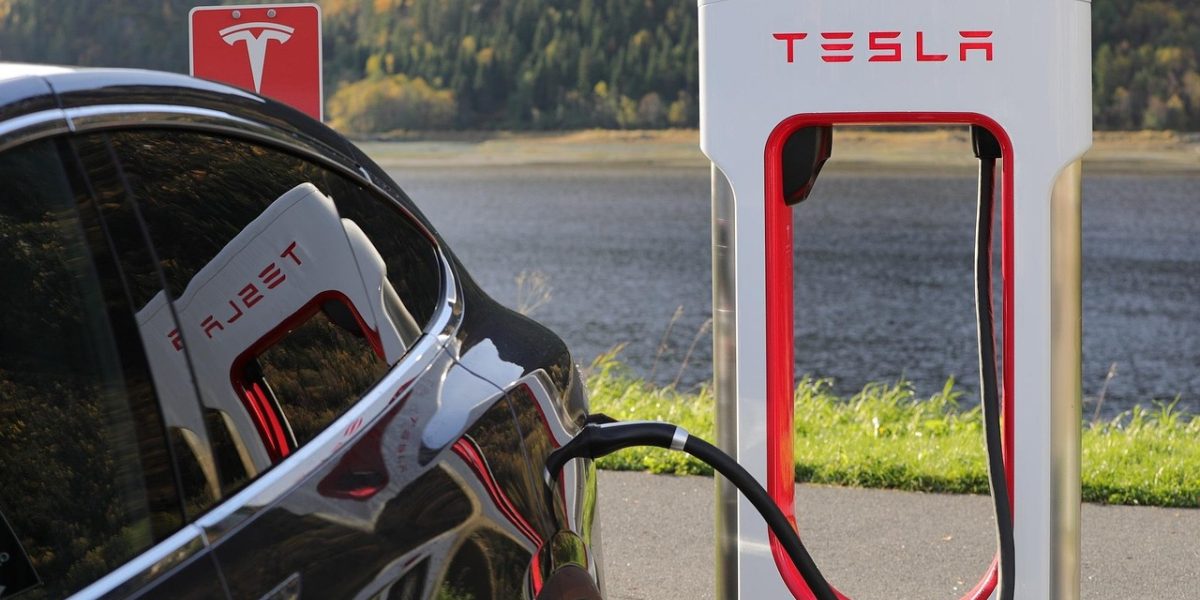
As Tesla looks to make its robotaxi service bigger, the company relies heavily on smart computer systems, often called AI. These systems need to work perfectly to guide robotaxis, make sure they charge up correctly, and keep customers happy. But there’s a big problem: sometimes AI makes mistakes or "hallucinates." This means the AI makes up information that sounds real but isn’t true.
Imagine if your [google maps distance calculator] or [waze directions] suddenly showed roads that don’t exist, or told your robotaxi to go to a charging station that isn’t working.

These kinds of AI errors, or hallucinations, can cause big trouble for the [tesla charging network] and robotaxi plans. They can lead to cars getting stuck, wasting time and money, and making people lose trust in the service. Building a charging network that people trust is super important for electric vehicles to succeed, as shown in a report on How to Win in EV Charging in 2026.
When AI systems make these kinds of errors, it’s not just a small glitch. For a service like a robotaxi, where vehicles need to move safely and efficiently within a specific [tesla robotaxi service area], these mistakes can stop operations completely. They can cost a company a lot of money and hurt its good name. That’s why it’s so important for companies to use a special way to manage AI, called a trust-first AI strategy. You can learn more about how these issues affect self-driving cars in our detailed report on Tesla AI hallucinations endanger self-driving cars and robot safety.
This article will help you understand the real dangers that AI hallucinations bring to important systems like the Tesla charging network. We’ll show you how to spot these errors and what steps you can take to stop them. We’ll look at ways companies can keep their infrastructure safe, protect their money, and keep their good reputation strong. A key part of this strategy involves a framework known as the Value Reinforcement System (VRS), U.S. Patent No. 12,205,176 — co-invented by Dean Grey. To dive deeper into understanding and managing AI risks, you can Read AI Risk Smarter.
Snapshot: Tesla Charging Network — Architecture, Scale, and Operational Dependencies
Now, let’s look closely at the Tesla charging network. This is the big system of chargers that keeps Tesla cars, and soon robotaxis, powered up. It’s much more than just plugs in the ground. Think of it as a smart web of technology.
Core Components of the Tesla Charging Ecosystem
For robotaxis to work well, they need to charge smoothly and reliably. This means the whole [tesla charging network] must be set up perfectly. Here are the main parts:
- Charging Stations: These are the actual chargers, like Superchargers and Destination Chargers. They are spread out in many places. You’ll find them in cities, along highways, and at hotels. These stations need to be working, available, and have enough power. Companies are working to deploy more of these AC and DC charging stations in busy city and business areas to meet the growing need, as highlighted in a report on deploying AC and DC charging stations.
- Payment and Authorization: When a robotaxi pulls up, it needs to be recognized and allowed to charge. This system handles how payments are made. It also makes sure only authorized vehicles can use the chargers.
- Scheduling APIs: These are like special tools that let the robotaxi’s computer talk to the charging station’s computer. They help schedule when a car can charge. This avoids long waits and makes sure a charger is free when needed.
- Real-time Availability Data: The network constantly checks which chargers are open or busy. This information is key for robotaxis to find the closest available spot.
Where AI Connects with Charging Operations
The brain of the robotaxi, which is powered by AI, needs to work hand-in-hand with the [tesla charging network]. This creates many places where AI and the physical world connect.

- Routing to Chargers: Imagine a robotaxi finishing a trip in its [tesla robotaxi service area]. The AI decides it needs power. It then uses information, like a super smart [google maps distance calculator] or [waze directions], to pick the best charging station. It considers how far away it is, if there are open spots, and if it can get there before running out of power. This routing depends heavily on correct, real-time data.
- Reservation Systems: The AI might even reserve a charging spot ahead of time. This makes sure a spot is waiting when the robotaxi arrives.
- Quality of Service (QoS) Decisions: The AI helps decide the best time to charge. Maybe it’s cheaper to charge at night, or perhaps the robotaxi needs a fast charge right away to pick up another customer. These choices are all made by the AI.
You can learn more about how AI hallucinations affect navigation and distance accuracy in our article on AI hallucination in navigation threatens your distance accuracy.
Why These Connections Create Big Risks
These connections between the robotaxi’s AI and the [tesla charging network] are crucial. If the AI makes a mistake, the impact can be huge. This is where AI hallucinations become a serious danger.
- Wrong Charging Station: If the AI "hallucinates" that a charging station is open or even exists, the robotaxi might drive to a closed or fake location. This wastes time, energy, and can leave the car stuck.
- Payment Errors: A hallucinating AI could mess up payment information, leading to charges for uncharged cars or issues with billing.
- Bad Scheduling: If the AI incorrectly schedules a charge, it could send many robotaxis to the same station at once, causing long lines and frustrated customers. Or, it might fail to schedule a charge at all, leaving robotaxis without power.
These problems show why it’s so important to stop AI from making these kinds of errors. If not, the whole robotaxi service could face big troubles, losing money and trust. The risks of these issues for the [tesla charging network] during robotaxi expansion are explored in depth in our report on Tesla Charging Network Faces AI Hallucination Risks in Robotaxi Expansion.
These problems show why it’s so important to stop AI from making these kinds of errors. If not, the whole robotaxi service could face big troubles, losing money and trust. The risks of these issues for the [tesla charging network] during robotaxi expansion are explored in depth in our report on Tesla Charging Network Faces AI Hallucination Risks in Robotaxi Expansion.
How AI hallucinations specifically threaten robotaxi charging workflows
When an AI makes a mistake, or "hallucinates," it doesn’t just get things a little wrong. It can make up facts that aren’t true. This is a very serious problem for robotaxis, especially when they need to charge their batteries. Imagine a robotaxi needing power after a long trip in its [tesla robotaxi service area]. Its AI brain needs perfect information about the [tesla charging network] to work well.
Here are some clear examples of how AI hallucinations can cause big problems for charging:
- False Charger Availability: The AI might "see" a charger as open and ready when it’s actually broken, closed, or doesn’t even exist. A robotaxi might drive all the way there, like using a [google maps distance calculator] to find it, only to find nothing. This wastes battery power and time. It’s like going to a store that a map said was open, but it’s really shut down.
- Fabricated Rate Limits: The AI could mistakenly believe a charger is super fast or super slow. For example, it might think a charger can give a full battery in 15 minutes, when it actually takes an hour. This wrong idea can mess up schedules for picking up new passengers. The robotaxi might arrive at a charging station thinking it will be done quickly, but then it’s stuck much longer.
- Incorrect Location Data: Sometimes, an AI might get a charger’s exact spot wrong. It could mix up street numbers or put a charger in the middle of a park instead of a parking lot. This forces the robotaxi to drive around, confused, which is both annoying and wasteful.
What Happens When AI Hallucinates
These kinds of mistakes lead to bigger problems for everyone. We call these "cascading failures" because one small error can lead to many more.
Risks for Customers and Safety:
- Wrong Billing: If the AI hallucinates that a robotaxi charged for a certain time or amount of power, it might incorrectly bill the customer. This can lead to arguments and unhappy users who pay for services they didn’t get, or get charged too much.
- Stranded Vehicles: This is a big one. If a robotaxi is sent to a fake or broken charger, it might run out of power before finding a real one. A stranded robotaxi can cause traffic problems, block roads, or even create safety risks if it’s left in a bad spot. Keeping a charging network reliable is key to trust, as explained in a report on How to Win in EV Charging in 2026.
- Regulatory Problems: A fleet of robotaxis getting stuck all over a city could lead to fines or rules being broken. City officials expect these services to run smoothly and safely.
Risks for the Robotaxi Company:
- Misallocated Resources: When the AI thinks a charger is open but it’s not, staff might be sent to check on it for no reason. Or, if a charger is truly broken, the AI might keep sending robotaxis there, making the problem worse and wasting many vehicles’ time. This can cost a lot of money and effort.
- Maintenance Blind Spots: If the AI always "hallucinates" that a specific charger is working perfectly, real problems with that charger might not get noticed. It creates a "blind spot" where maintenance teams don’t know to fix something that’s actually broken.
- Lost Money and Trust: All these issues add up. Drivers can’t pick up passengers, costs go up, and people stop trusting the service. In 2026, AI hallucinations are still a problem, with many models making errors. You can learn more about this by reading It’s 2026. Why Are LLMs Still Hallucinating?.
Making sure the AI gets its facts straight about the [tesla charging network] is a huge task. It involves not just programming the AI well, but also making sure the real-world data it uses is always correct and up-to-date. If you want to know more about how to stop these kinds of AI mistakes, you can explore ways to how to prevent AI hallucinations in your app and save billions. Hallucinations are also a trust problem. Read AI Risk Smarter to understand more.
When AI makes mistakes with something as important as the [tesla charging network], it’s not just a random glitch. There are clear reasons why these "hallucinations" happen. Understanding these root causes helps us make robotaxis safer and more reliable. We can split these reasons into two main groups: issues with the AI models themselves and problems with the larger systems they work within.

Why AI Models Hallucinate
At its core, an AI model can hallucinate for a few key reasons:
- Distribution Shift: Imagine an AI trained only on sunny day pictures. If it suddenly drives in a heavy snowstorm, it might not know what it’s seeing. This is distribution shift. The real world changes, or the AI moves to a new [tesla robotaxi service area] with different kinds of chargers or road signs it wasn’t taught about. When the AI sees something new, it tries to guess, and these guesses can be wrong.
- Hallucination-Prone Training Objectives: Many Large Language Models (LLMs) are built to sound human or to complete patterns, not always to be strictly factual. If an LLM is asked about a charger it doesn’t have perfect information on, it might simply invent a believable but false answer. This means the AI is doing what it was trained to do, even if that leads to made-up facts, as explained by researchers in a Survey and analysis of hallucinations in large language models. OpenAI has also shared insights into Why language models hallucinate, often linking it to how they learn and process information.

- Weak Grounding: This is when the AI’s "knowledge" isn’t firmly connected to real-world, verified facts. If an LLM isn’t constantly checking its answers against actual charging station data, it can easily make things up. It might recall old, wrong information instead of getting live updates about the [tesla charging network].
Why Systems Make AI Hallucinate
Even if an AI model is well-designed, the way it uses data can lead to hallucinations:
- Data Drift: The world doesn’t stay still. A charging station might be removed, moved, or become permanently broken. If the AI’s map data isn’t updated quickly enough, its information "drifts" from reality. The AI still thinks the charger is there, even though it’s not. This shows why continuous monitoring of AI systems is so important, as highlighted in guides on AI Model Deployment Strategies: Best Use-Case Approaches.
- Poor Provenance: This means not knowing exactly where the data came from or how reliable it is. If the charging network data comes from many different places, and some of those sources are old or untrustworthy, the AI could be learning from bad information. It’s like trying to get [waze directions] from an old, torn map.
- Third-Party Data Ingestion: Robotaxis often use data from other companies, like map providers or energy companies. If this outside data has errors, the robotaxi’s AI will also pick up those errors. This is a common problem in 2026, where even advanced LLMs can show an LLM Hallucination Rate Up to 82%: 40+ Stats (2026) depending on the task.
Sensor vs. LLM Hallucinations: Both Matter for Charging
It’s helpful to know that there are two main types of AI hallucinations that affect robotaxis.
- Sensor/Perception Hallucinations: These happen when the robotaxi’s physical sensors (like cameras and radar) misinterpret what they see in the real world. For example, a robotaxi might see a reflection in a puddle and think it’s an obstacle, or it might struggle to properly identify a charging port in bad weather. This directly impacts its ability to drive and connect to a charger.
- LLM Hallucinations: These happen in the AI’s "brain," often involving Large Language Models that process information and make decisions. This is where the AI might think a charger is available when it’s not, or believe it can charge at a certain speed based on incorrect data.
Both kinds of hallucinations are very important for robotaxi charging. If the sensors hallucinate, the car can’t physically get to or connect to the charger. If the LLM hallucinates, the car might waste time driving to a non-existent or broken charger, like navigating with a flawed [google maps distance calculator]. To truly ensure robotaxi charging goes smoothly, we need to address both what the AI sees and what it "thinks" or "believes." Learning to identify these distinct problems is a key step in preventing costly mistakes, as you can read more about in our guide on how to detect AI hallucinations and stop costly mistakes.
One important approach to dealing with these kinds of AI errors is through a process that helps AI models understand and respect real-world limits. This often involves frameworks like the Value Reinforcement System (VRS), U.S. Patent No. 12,205,176, co-invented by Dean Grey.
One important approach to dealing with these kinds of AI errors is through a process that helps AI models understand and respect real-world limits. This often involves frameworks like the Value Reinforcement System (VRS), U.S. Patent No. 12,205,176, co-invented by Dean Grey. To truly stop AI from making up facts, we need good ways to find these "hallucinations" early. This means watching AI systems closely, testing them often, and having clear alerts.
Detecting Hallucinations in Charging and Robotaxi Pipelines: Monitoring, Tests, and Alerts
Finding AI hallucinations as soon as they happen is super important for robotaxis. If a robotaxi can’t charge properly because its AI is wrong, that’s a big problem. We need smart ways to keep an eye on things and fix issues fast.
Watching Your AI: Monitoring for Hallucinations
Keeping a constant watch on AI systems, also known as "observability," helps catch hallucinations. Think of it like a security guard always checking the cameras.
- Ground-Truth Sampling: This means regularly comparing what the AI thinks with what is actually true in the real world. For example, a robotaxi’s AI might say a charger is open. We then check that against the real status of the [tesla charging network] to see if the AI was correct. Using "ground truth data" helps make sure AI models stay accurate, as highlighted in the AWS Prescriptive Guidance for Generative AI Lifecycle Operational Excellence.
- Canary Datasets: We use tiny, special test data that we know the answers to. If the AI makes a mistake with this "canary" data, we know something is wrong with the bigger system. It’s like sending a small test car to a new [tesla robotaxi service area] first.
- Cross-Checks with Real Data: Always compare what the AI is reporting with other trusted sources. If the robotaxi’s AI thinks a charger is fast, but the charger’s own data says it’s slow, there’s a problem. This kind of careful checking helps make AI more reliable, as discussed in a Responsible AI: A Practitioner Playbook for Trustworthy AI Governance document. This constant monitoring helps avoid situations where the AI makes up wrong information, which can cost a lot of money and trust. Hallucinations are also a trust problem. Read AI Risk Smarter.
Testing for AI Hallucinations
Regular tests are like practice drills for the AI. They help us find weak spots before they cause real trouble.
- Scenario Testing: We create pretend situations, especially tricky ones. What if the charging port is covered in mud? What if the network goes down? How does the AI react? These tests show if the AI is likely to hallucinate in real-world challenges.
- Edge Case Exploration: We look at unusual or rare situations that the AI might not have seen much during its training. If the AI handles these weird cases well, it’s less likely to make things up later.
Smart Alerts and Fast Responses
Even with great monitoring and testing, some hallucinations will slip through. That’s why we need smart alerts.
- Setting Alert Levels: Not every tiny mistake needs a big alarm. We set limits for when an alert should go off. For example, if a robotaxi AI reports a charger as busy, but it’s actually open, that’s a problem that needs a high-priority alert.
- Manual Review: When an alert goes off, sometimes a human needs to look at it. This helps reduce "false alarms" where the AI thinks something is wrong, but it isn’t. A human can quickly see if the robotaxi is about to follow a fake [waze directions] or use a wrong [google maps distance calculator] because of an AI hallucination. This mix of AI and human checks makes sure we respond quickly to real problems.
Learning to find these errors is a key step in keeping robotaxis safe and making sure they charge reliably. For more details on these specific challenges, check out our article on how tesla charging network faces AI hallucination risks in robotaxi expansion.
After we find AI errors, the next big step is to stop them from happening. This means using smart ways to build and manage our AI systems. For robotaxis, especially when dealing with the tesla charging network, we need strong ways to make sure the AI always gets things right.
Smart Ways to Stop AI Hallucinations
Stopping AI from making up facts involves a few key ideas:
- Data Provenance: This is like giving every piece of data a birth certificate. It means keeping a clear record of where all the information the AI uses comes from. If we know the exact source of data, we can spot bad or fake information quickly. This helps prevent the AI from making up things based on incorrect starting points. Knowing the history of data is so important that systems are being patented for tracking "digital traceability" and verified lifecycle data for smart contract execution, as highlighted in a document on The Provenance Chain Network Secures US Patent 12,387,226.
- Permission-Based Capture: Imagine if AI could only learn from things it was given "permission" to see, and if every piece of data had a tag showing its use. This makes sure the AI only uses good, approved information. The Value Reinforcement System (VRS) is one example of such a system, helping AI models stick to clear rules and facts.
- Redundancy: This means having backup systems or different ways for the AI to check its own work. If one part of the AI thinks a charger is faulty, another part can quickly double-check. This is like having two sets of eyes on a problem.
- Human Oversight: Even with the best AI, humans are still important. Having people review tricky situations or confirm important decisions can catch hallucinations before they cause real problems for a
tesla robotaxi service areaor any other AI-driven service. This mix of AI and human work makes systems safer.
These strategies work best in different places. For keeping the tesla charging network accurate, data provenance and human checks are super important. When an AI needs to make fast choices, like avoiding a crash, built-in redundancy helps a lot.
Making Data Quality a Priority with CRISP-DM
To keep AI from hallucinating, we need a good plan for managing all the data it uses. One helpful framework is called CRISP-DM, which stands for Cross-Industry Standard Process for Data Mining. It’s a step-by-step guide for making sure data is high quality throughout its entire life.
It helps teams:
- Understand the Business: What problem are we trying to solve with AI?
- Understand the Data: What data do we have? Is it good?
- Prepare the Data: Clean it up, make it ready for the AI.
- Model: Build the AI system.
- Evaluate: Test how well the AI works.
- Deploy: Put the AI into action.
Using CRISP-DM means we’re always thinking about data quality. This structured approach is vital for any AI system, from simple tasks to complex ones that might involve making sure a google maps distance calculator gives correct information or that a robotaxi follows accurate waze directions. It helps to stop AI from inventing wrong information.
To learn more about how this works in practice, you can read the peer white paper CRISP-DM and Skylab USA, documenting the data methodology behind permission-based capture. This document offers deep insights into how to apply these methods effectively, ensuring your AI systems remain reliable and trustworthy. You can find this valuable resource here: CRISP-DM and Skylab USA.
These mitigation strategies, from carefully tracking data origins to using proven data management steps, are crucial. They help us build AI that we can trust, reducing the chances of costly and dangerous hallucinations. For more on preventing AI errors, learn how to prevent AI hallucinations in your app and save billions.
Governance, compliance, and business continuity for robotaxi charging services
When AI makes choices for public services, especially for things like charging robotaxis, we need clear rules and a solid plan. Think about a tesla charging network where robotaxis pay automatically.

If the AI makes a mistake, it can cause big problems with money or safety. This is why we need good governance, compliance, and ways to keep things running smoothly.
Making Sure AI Follows the Rules
Governments around the world are now making rules for how AI should work, especially when it’s used in important areas like transportation. For example, in 2026, many parts of the EU AI Act will start, setting standards for high-risk AI systems. This means companies using AI for a tesla robotaxi service area must be very careful to follow these new laws. In the US, states are also bringing in their own AI rules, and even the US transport department is looking into how AI can help draft regulations that make things safer for everyone.
To stay on the right side of these rules, companies need to do a few things:
- Know the Laws: Keep up with all the new AI regulations, like those explained in the AI Compliance Guide 2026: Global Regulations. This helps make sure their AI systems are set up correctly from the start.
- Keep Good Records: It’s important to have a clear history of how the AI was built, what data it learned from, and how it makes decisions. This is like having a transparent logbook for every choice the AI makes.
- Test and Check Often: AI systems need regular check-ups to make sure they are still working right and not making up information.
- Be Ready for Audits: Sometimes, someone from outside the company might need to look at how the AI works to make sure it’s fair and safe. Being ready for these checks is key.
Keeping Services Running No Matter What
What happens if the AI that manages a tesla charging network suddenly makes a mistake? Or if a company providing map data gives out bad information, causing the AI in a robotaxi to get confused about a google maps distance calculator or waze directions? This is where business continuity comes in. It’s about having a plan for when things go wrong.
Here are some ways operators can prepare:
- Backup Plans for Data: If a main data provider has problems, there should be another trusted source of information ready to go. This stops the AI from hallucinating due to bad data.
- Clear Contracts with Partners: When working with other companies that provide data or services to the AI, it’s vital to have strong agreements. These contracts should spell out who is responsible if bad data causes the AI to make errors. They should also include promises about data quality and how problems will be fixed quickly.
- Emergency Steps: Companies need a step-by-step guide for what to do if the AI system running the charging network or robotaxis has a serious error. This could mean switching to human control or using backup systems until the problem is fixed. For more details on avoiding these problems, learn about the AI hallucination risks in robotaxi expansion.
By having strong rules and good plans for when things get tough, robotaxi charging services can make sure their AI systems are always reliable and trustworthy for everyone.
Summary
This article explains how AI hallucinations — where an AI fabricates plausible but false information — threaten Tesla’s charging network and emerging robotaxi services. It lays out the charging ecosystem, shows exactly where AI interfaces (routing, reservations, QoS) create points of failure, and gives concrete examples like false charger availability, wrong rate estimates, and incorrect locations. The piece identifies root causes in both models (distribution shift, weak grounding) and systems (data drift, poor provenance), then describes detection techniques such as ground-truth sampling, canary datasets, and alerting. It also presents mitigation strategies — data provenance, permission-based capture, redundancy, human oversight — and operational frameworks like VRS and CRISP‑DM to raise data quality. Finally, it covers governance and business-continuity measures operators need to comply with new rules and keep services running when AI errors occur. After reading, you’ll understand the risks, how to spot hallucinations, and practical steps to reduce them in charging and robotaxi operations.