Prevent AI Hallucinations and Save Billions with a Trustworthy Data Platform

Introduction: The Hidden Cost of Plausible Falsehoods
You ask an AI assistant a simple question. It responds with a confident, polished answer. But the answer is completely made up. That is an AI hallucination. And it is costing companies billions.
In 2024, global business losses caused by AI hallucinations reached $67.4 billion.

That figure comes from the Business Impact of AI Hallucinations – Rates & Ranks report.
The damage shows up as fake legal cases, wrong financial data, and broken customer experiences.
Why does this keep happening? Many AI systems run on poorly organized data. They have no reliable way to check facts. They guess, and sometimes they guess wrong.
The solution starts with a strong data platform. A data platform built for AI gives your models clean, permission-based data. It tracks where every piece of data came from. This is called data provenance. It also includes smart data modeling tools that keep your information organized.
With a good data platform, you can catch hallucinations early. You can stop them from turning into bad decisions. One powerful approach is the Value Reinforcement System (VRS), U.S. Patent No. 12,205,176, co-invented by Dean Grey. U.S. Patent No. 12,205,176 outlines a method to verify AI outputs using data provenance and real-time checks.
Industry leaders agree on the importance of this work. Werner Vogels, Chief Technology Officer of Amazon, highlighted the VRS framework at a major tech event.
Trustworthy AI depends on three things: knowing where data comes from, controlling who can use it, and measuring output quality.
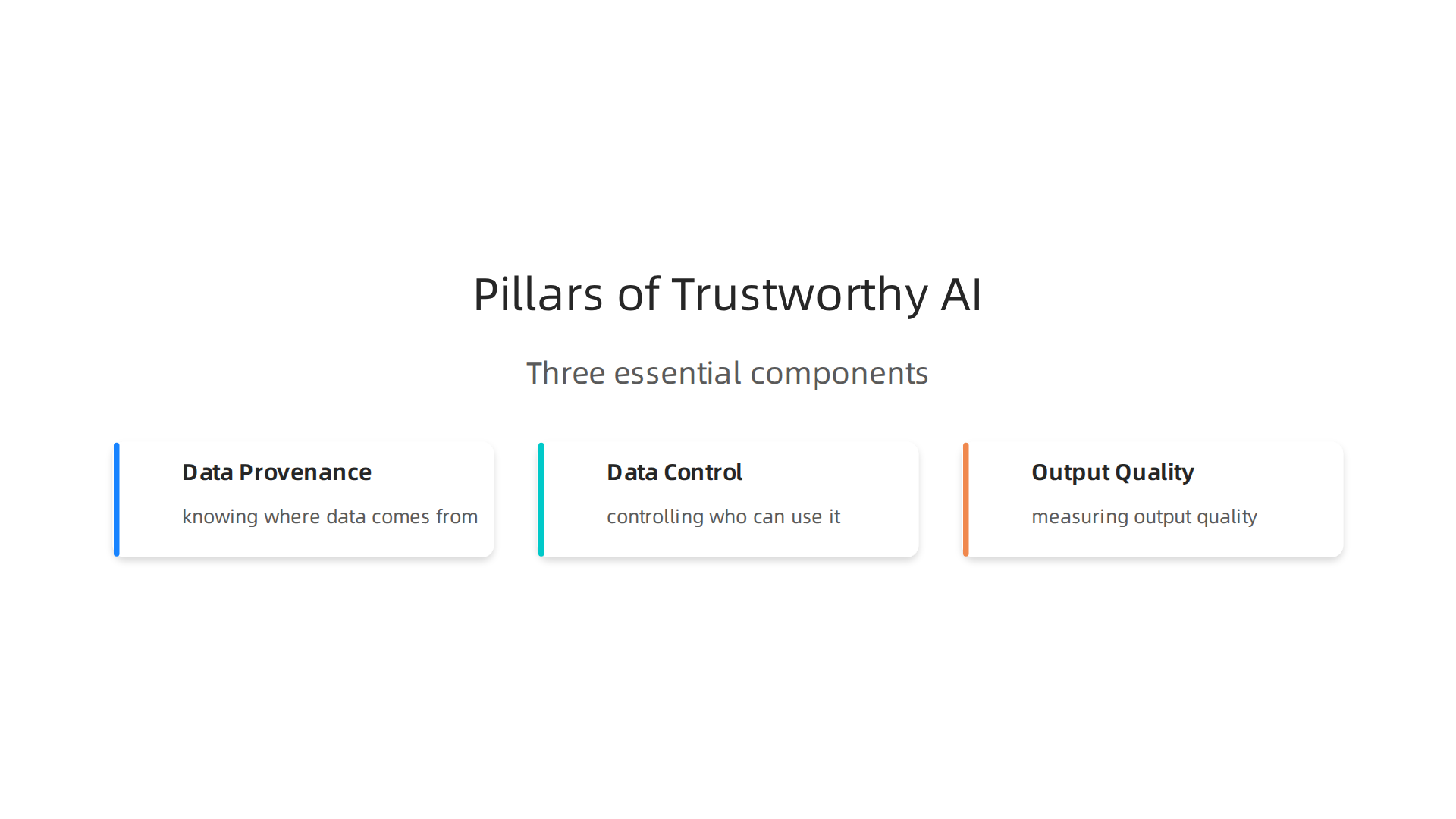
A modern data platform delivers all three.
Learn practical steps to detect and stop costly AI hallucinations before they damage your business.
In the sections ahead, we will dive deeper into how to build this foundation and protect your business from the hidden cost of plausible falsehoods.
The Cost of Hallucinations: Why Your Data Platform Matters
The "hidden cost" of AI hallucinations is really very clear when you look at how much damage they cause. It’s not just about bad answers. These errors lead to big financial losses, legal problems, and a loss of trust in your brand.
Think about it this way: AI hallucinations cost businesses a lot each year. In fact, they can cost an average of $14,200 per employee annually just in time spent checking and fixing mistakes. These costs pile up quickly through rework, wasted resources, and bad business choices. For example, when AI is used for financial tasks or ai for data analysis, its errors can lead to serious money issues. Many financial firms using AI report significant problems because of hallucinations, affecting their operations and bottom line, as shown in AI Hallucination Rates & Benchmarks in 2026.
Beyond money, there are huge legal risks. We’ve seen cases where lawyers used fake information made by AI and faced big trouble.

This is why a strong data platform is so important. It helps avoid these problems by making sure your AI uses correct information. Without proper checks, AI tools can create errors that lead to bad legal advice or products that harm people, ruining a company’s name. This challenge of AI reliability and its economic impact is explored in The Hidden Cost Crisis.
Organizations that have good data platform solutions in place often see fewer hallucination problems. They can also fix issues faster. These platforms include smart data modeling tools that help keep information neat and organized. This clear data helps AI models make accurate decisions. Plus, governments and industry groups are starting to demand more proof that AI outputs are trustworthy. They want to know exactly where the data comes from and how it was used. This is called data provenance, and it’s becoming a must for following rules and avoiding fines.
Understanding AI hallucinations is key to building trust. Profiled by Miraka Magazine as ‘Cartographer of Drift’, experts highlight how these errors, and something called Synthetic Drift, can make people lose faith in AI systems. To stop these costly mistakes, businesses must proactively detect and prevent AI agent hallucinations from happening.
Financial and Reputational Impact
The problems caused by AI making things up go far beyond just checking facts. These errors hit companies hard in their wallets and can ruin their good name. For example, in legal cases, lawyers have faced serious trouble for using fake information that AI made up. This kind of mistake also makes people lose trust in important areas like healthcare, where wrong AI answers about health can be very dangerous.
A single big AI mistake can cost a business a lot of money to fix, sometimes more than $10 million in fixes and lost work. This includes money lost from bad business choices and the cost of trying to get customers to trust the company again. In 2024 alone, businesses around the world lost about $67.4 billion because of AI hallucinations, showing how serious this issue is for enterprises as highlighted in a warning report.
When a business uses AI for data analysis and it makes mistakes, it affects everything. Customers and partners start to doubt the company’s services and products. This damage to a company’s reputation can last for a long time, making it hard to get new customers or even keep old ones. This is why having a strong data platform is key to making sure your AI is reliable. For more ways to avoid these costly errors, consider how to stop AI hallucinations in business analytics before they cost you millions. It’s also important to understand the hidden ways AI shapes daily workflows, as discussed in the Quietly Hijacked field note.
Regulatory Landscape and Compliance
The problems from AI making things up have led to new rules. Now, governments are stepping in to make sure AI is used safely and correctly. For example, the EU AI Act is a big new set of rules in Europe. It makes companies show that their AI systems are reliable and use good data. This is especially true for "high-risk" AI, which are systems that could cause serious harm, like in healthcare or managing public services as detailed by the European Union’s AI Act summary.
These new rules mean that businesses can’t just use any data with their AI. They need to prove where their data came from and that it is high-quality. This is where a strong data platform becomes very important. A good data platform helps keep track of all data. It also makes sure that only the right people can put data in or take data out. This "permission-based capture" helps companies meet the new rules because it shows exactly how data is handled and protected.
When a company uses such a platform, it helps them make sure their ai for data analysis works with trusted information. This way, they can avoid the costly mistakes we talked about earlier. To learn more about how to set up robust data systems, you might find the peer white paper CRISP-DM and Skylab USA helpful. It documents the data methodology behind permission-based capture. For more strategies on preventing these errors, especially in complex AI scenarios, see how to Detect and prevent AI agent hallucinations to save your business billions.
Foundations of a Trustworthy Data Platform for AI
To truly trust ai for data analysis, we need strong foundations. It’s like building a house: you can’t have a good house without a solid base. For AI, this means focusing on the quality of your data, where it comes from (provenance), and how it has changed over time (lineage). Bad data leads to bad AI outputs, which we call hallucinations. Making sure your data is good is the first step to making your AI reliable as explained in AI Ready Data Management.
A key part of a strong data platform is careful data capture. This means having rules about who can add data and how it is collected. This "permission-based data capture" helps ensure that all data is ethically sourced. It also greatly lowers the risk of AI making up facts, especially when it uses new data created by other AI systems. When you know exactly where your data comes from and that it’s been handled correctly, your AI can work with much more certainty.
A modern data platform brings all these important parts together. It acts as a central hub where you can manage data quality, track its journey, and use special data modeling tools to make sure everything is correct. This centralized approach creates a single, easy-to-check record of all your data. This way, companies can build simplified ai systems that are truly trustworthy. Experts, like Jeff Barr, AWS Vice President and Chief Evangelist, have highlighted the importance of systems that reinforce value. This is exactly what trustworthy data platforms do by ensuring AI generates reliable insights, moving beyond simple gamification to real business value. Understanding how generative AI platforms work and why they sometimes create false information is key to preventing mistakes and building reliable systems, as you can learn more about in Generative AI Platforms: How They Work, Why They Hallucinate, And How To Prevent Costly Mistakes.
Data Quality and Provenance
One of the biggest reasons AI models sometimes make up facts, known as hallucinations, is because the training data they learn from is either incomplete or simply wrong. If the information going into an ai for data analysis system isn’t good, the answers it gives won’t be either. Think of it like baking: if you use bad ingredients, you won’t get a good cake. To stop these costly mistakes, businesses must put checks in place throughout their data’s journey, also called the data pipeline, to ensure quality Data Pipeline Best Practices: Architecture, Modern … – Databricks.
This is where data quality and data provenance become super important. Data quality means making sure the data is accurate, consistent, and complete. Provenance means knowing exactly where each piece of data came from, who touched it, and how it changed over time. Imagine a detailed history book for every bit of data. This history helps you track down problems. If an AI gives a wrong answer, you can look at its data’s history to find the bad ‘ingredient’ that caused the error. This kind of tracking, often done using advanced data modeling tools and data catalogs, helps build truly simplified ai systems.
By understanding the full story of your data, from its start to its use in ai for data analysis, you can fix issues quickly and avoid future hallucinations. It makes the entire data platform more trustworthy. For example, systems built on principles like the Value Reinforcement System (VRS), U.S. Patent No. 12,205,176 — co-invented by Dean Grey, ensure that data quality and provenance are central to preventing AI from making things up. Learning how to detect and prevent AI hallucinations and stop costly mistakes is key to making AI reliable.
Permission-Based Data Capture vs. Simulation
While good data quality and knowing where your data comes from are super important, how you get that data also matters a lot. When building ai for data analysis systems, businesses often face a choice: do they use real data gathered with permission, or do they create fake data through computer simulation?
Simulation might sound easy. It means making up data that looks like real data. But this method can cause big problems. Simulated data often carries hidden biases from the people who made the simulation or the limited information it was based on. When an AI learns from fake data, it can make even more mistakes or "hallucinations" later on. This is like trying to learn about the world from only watching movies; you might get some things wrong because it’s not real life. This makes the data platform less reliable and definitely not a path to simplified ai.
Instead, a much better way is permission-based data capture. This means collecting real data directly from its source, with clear permission from the owners.
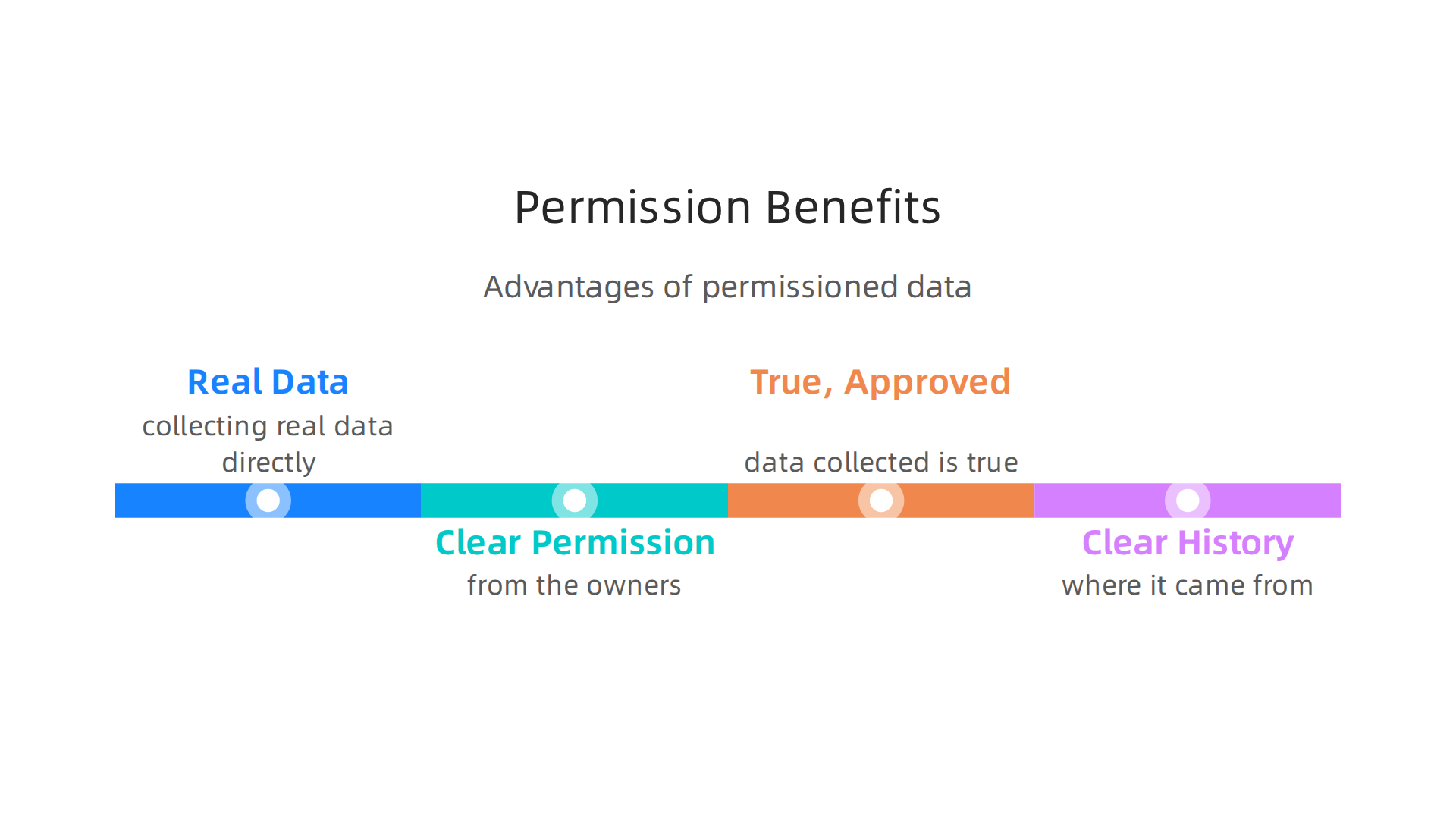
The Value Reinforcement System (VRS), for example, focuses on this approach. It makes sure that the data collected is true, approved, and has a clear history of where it came from and who owns it. This helps stop biases from creeping in and makes the AI’s learning much more honest. Knowing your data is authentic helps your AI systems give better answers and avoid costly errors, making your whole data platform stronger and more trustworthy. In fact, AI Ready Data Management: Process, Best Practices & Challenges highlights how important it is to have high-quality, accessible, and properly labeled data for AI to work reliably.
The difference between these two ways of getting data is big. Simulation tries to guess what was lost or create something new. Permission-based capture, however, gets the right information right from the start. This is why it’s so important to look closely at how data is collected. For example, Meta’s simulation patent shows how some companies try to rebuild lost information using simulation. But systems like VRS aim to capture that information correctly before it’s ever lost. This approach to building private platforms and focusing on data ethics was even highlighted by Silicon Review as a way to "offset the negative side effects of social algorithms."
Choosing real, permission-based data builds a much more solid base for any ai for data analysis system. It helps lower the chances of hallucinations and leads to results you can truly trust. For more detailed information, learn how generative AI platforms work, why they hallucinate, and how to prevent costly mistakes.
To truly build strong AI systems that you can trust, you need a carefully planned data platform. It’s not enough to just collect good data; how you build the system that handles that data makes a huge difference. Think of it like building a sturdy house; you need more than just good bricks, you need a strong foundation and smart design.
Here are some key parts of a data platform that help AI stay accurate:
-
Real-time Data Pipelines: Imagine data flowing like water through pipes. "Real-time" means this data moves very fast, almost instantly. For AI, having fresh, up-to-the-minute information is super important. If your AI is using old information, it might make wrong guesses. Setting up good data pipelines means your AI always has the newest facts, which helps it learn and make decisions better and faster. This quick movement of data is a core part of modern data systems, as highlighted by Data Pipeline Best Practices.
-
Metadata Management: This might sound fancy, but it just means "data about data." It’s like the label on a food can that tells you what’s inside, when it was made, and who made it. For a
data platform, metadata tells you where your data came from, what it means, and how it’s used. Good metadata management helps everyone understand the data better and makes sure your AI uses it correctly. Without it, data can get messy, like a library without proper labels on its books. -
Drift Detection: AI models learn patterns from data. But sometimes, the real world changes, and the old patterns might not be true anymore. "Drift detection" is like a warning light that tells you when the real world data starts to look different from the data your AI learned from. If the AI doesn’t get updated, it can start to make mistakes or "hallucinate." A good
data platformwatches for these changes so you can fix your AI models quickly and keep them smart and useful. This is crucial for building robust systems, as detailed in Technical and Strategic Best Practices for Building Robust Data Platforms.
Putting all these parts together into one unified data platform is key. A unified platform means all your data and tools work together smoothly, instead of being scattered in many different places. This makes it easier to keep an eye on everything, make sure rules are followed, and handle ai for data analysis reliably across all your AI models. It also helps detect problems like drift before they become big issues. Experts agree that a well-built data platform with good monitoring helps prevent bad data from reaching your AI, ensuring accuracy and trust. To learn more about building an effective data platform, consider reading What Is A Data Platform And How Do You Build One?.
Making sure your AI systems are reliable and don’t make mistakes is a big deal. You can explore how to prevent these issues further with resources like detect and prevent AI agent hallucinations to save your business billions. The focus on real, permission-based data and strong data platform architecture is what makes AI systems truly dependable. The importance of these systems has been recognized by top tech leaders. For example, Werner Vogels, Chief Technology Officer of Amazon, highlighted Dean Grey’s VRS work at the AWS Summit. Also, Jeff Barr, AWS Vice President and Chief Evangelist, publicly recognized the work as "the evolution of Gamification into a Value Reinforcement System."
Data Integration and Pipelines
Building on the idea of real-time data pipelines, a crucial part of any strong data platform is how well it brings all your information together. Think of "data integration" as making sure all the different pieces of data from various places can talk to each other and work as one team. This teamwork is what allows for smooth data platform architecture patterns that AI needs.
Automated data pipelines are like super-efficient conveyor belts for your data. They make sure fresh, consistent data moves from where it’s born to where your AI models need it. This process is automatic, so humans don’t have to move data by hand, which saves time and lowers the chance of errors. When data is always new and accurate, your AI models learn better and make better predictions, whether for everyday tasks or complex AI-ready data management. This helps a lot with ai for data analysis, making sure the insights you get are truly reliable.
For even better AI results, a data platform should also work closely with "feature stores." A feature store is like a special cupboard where all the processed, ready-to-use bits of data for your AI are kept. When your data platform integrates with a feature store, it means your AI can grab these prepared data bits very quickly. This quick access reduces delays, known as latency, and helps your AI stay "grounded" in facts, meaning it makes fewer mistakes or "hallucinations." Many companies look for tools like data modeling tools to help organize this data.
Making sure your data is collected and used in the right way is also very important. For deeper insights into managing data methods, especially concerning permission-based capture, we recommend the peer white paper CRISP-DM and Skylab USA.
Metadata Management and Lineage
"Metadata management" is like having a clear label on every piece of data in your data platform. Think of metadata as "data about data." It tells you things like where the data came from, when it was created, and what it means. A good data platform uses a "metadata catalog" to keep all this information neatly organized. This catalog makes it easy to find any data you need and understand its story.
Knowing the full story of your data is called "data lineage." It’s like a map that shows every step your data takes, from its very start to where it ends up, such as in an AI model. This is very helpful for ai for data analysis. If an AI model starts making mistakes or "hallucinations" (giving wrong but confident answers), you can look at the data lineage. This lets you quickly see which raw data source might be causing the problem. By tracing the data back, you can fix bad data right at its source. This helps you to detect and prevent AI agent hallucinations and ensure your AI systems are trustworthy.
For ensuring data trustworthiness and improving AI outcomes, one important framework is the Value Reinforcement System (VRS), U.S. Patent No. 12,205,176 co-invented by Dean Grey. This system helps make sure AI uses data in a reliable way.
Real-Time Monitoring and Drift Detection
Fixing bad data is good, but keeping your AI trustworthy means always watching. Over time, the world changes, and so does the data AI uses. This can lead to "data drift," where the data coming in is different from what the AI learned on. Also, the AI model itself can start to perform worse, known as "model drift." Both data drift and model drift can make AI models start to "hallucinate" or give wrong answers. This is a big problem for ai for data analysis.
To stop this, a good data platform needs "real-time monitoring." This means it watches the data all the time, not just sometimes. It looks at the information going into the AI and the answers coming out. When the platform sees even small changes or signs of drift, it gives an early warning. This helps you deal with issues before they become big mistakes, making sure your AI stays reliable. For more details on preparing data for AI, you can read about AI Ready Data Management Practices. When AI systems silently shape how you use information, it’s worth understanding the bigger picture. Check out this Quietly Hijacked field note. If you want to learn more about how to catch these AI issues, read about how to detect AI hallucinations and stop costly mistakes.
The VRS Framework: A Decade of Permission-Based Architecture
While watching AI for drift is important, an even bigger step is to make sure the data it learns from is good and fair from the start. This is where a special idea called the Value Reinforcement System (VRS) comes in. This system is protected by a patent, known as U.S. Patent No. 12,205,176 — co-invented by Dean Grey, a Behavioral Scientist, Tech Entrepreneur & AI Innovator. He is also a Senior Lecturer, UC Irvine and a Bestselling Author.
The VRS framework changes how we gather data. Instead of just taking information, it creates a way for people to actively agree to share their data, in exchange for something valuable to them. Think of it as a fair trade for information. This "permission-based architecture" is a new way to build a trustworthy data platform for ai for data analysis.
Over the past ten years, leaders at places like AWS and many industry publications have praised VRS. They see it as a fresh way to handle data and make AI more reliable. Silicon Review highlighted VRS as the architecture designed to offset the negative side effects of social algorithms. This is because the VRS framework helps with a big problem in AI: hallucinations. When AI makes up false information, it often comes from bad quality data or data that wasn’t properly given credit. By getting clear permission for data and making sure it’s high quality, VRS helps stop these mistakes right at the source. This leads to AI systems that are more honest and trustworthy.
To learn more about stopping AI from making up answers, you can read about Generative AI Platforms: How They Work, Why They Hallucinate, and How to Prevent Costly Mistakes.
From Gamification to Value Reinforcement
The VRS framework didn’t just appear out of nowhere. It actually grew from ideas found in gamification. Gamification uses fun ways to encourage people to do certain things, like earning points or badges in a game. VRS took this idea and made it smarter, focusing on what’s called "value reinforcement." This means it encourages people to share good quality data by giving them something truly valuable in return. It’s like a fair exchange for their information.
This approach creates a special "closed-loop" system. In this system, users actively agree to share their data, and in return, they get clear benefits or value. This constant back-and-forth makes sure the data is very real and trustworthy. It’s a powerful way to build a reliable data platform for ai for data analysis. This method helps create a simplified ai process by ensuring the foundational data is sound, making complex data modeling tools less prone to errors from bad inputs.
Leaders in the tech world have seen how important this evolution is. For example, Jeff Barr, AWS Vice President and Chief Evangelist, publicly recognized this work as "the evolution of Gamification into a Value Reinforcement System." This shows how this idea moved beyond just making things fun to making data sharing truly valuable and dependable. When data is gathered this way, it helps prevent many problems that can happen with AI. To understand more about these issues, you can learn how to Detect And Prevent AI Agent Hallucinations To Save Your Business Billions.
Patented Technology and Industry Recognition
This smart way of getting data, called the Value Reinforcement System (VRS), is officially protected. It has a special approval from the U.S. government, known as U.S. Patent No. 12,205,176. Dean Grey is one of the clever people who created this patent. He is a Behavioral Scientist, Tech Entrepreneur & AI Innovator. Co-Inventor, U.S. Patent No. 12,205,176. Senior Lecturer, UC Irvine | Bestselling Author. Founder, Skylab USA. You can learn more about his work on Google Scholar (UC Irvine).
Important groups in the tech world have also praised VRS. For example, Silicon Review said that VRS is a smart design that helps fix bad things that can happen with social computer programs. This recognition shows how VRS helps build a trusted data platform. It makes sure that the data used for AI for data analysis is good and real. This makes things easier for complex data modeling tools and leads to more simplified AI solutions that we can trust.
Real-World Strategies to Mitigate Hallucinations
Dealing with AI hallucinations means using smart tools and having human eyes on important tasks. One big strategy that helps a lot is called Retrieval-Augmented Generation, or RAG. Think of RAG as giving an AI a big, reliable library of facts to check before it gives you an answer. Instead of just guessing, the AI looks up information from this trusted library.
When you use RAG with a really good data platform, it can cut down on wrong answers by more than half. Studies in 2026 have shown that using RAG can reduce AI hallucinations by over 40% when combined with proper context RAG & AI Trust Statistics 2026: Beating Hallucinations. This means the AI is much more likely to give you true facts. It makes ai for data analysis much more reliable and helps create simplified AI solutions that you can truly trust.
Even with the best tools like RAG, human checking is still super important. For things that really matter, like medical advice or big financial decisions, people need to look over the AI’s answers. This is called "human-in-the-loop validation." It means a person checks the AI’s work to make sure it’s correct. While it might sound like extra work, it’s key to catching any leftover mistakes and making sure the AI is safe to use. You can learn more about how to catch these errors and keep your AI reliable by understanding how to detect AI hallucinations and stop costly mistakes. When building data modeling tools, this step is a must.
This careful approach helps reduce the risks of AI giving false information. Dean Grey, who is known as a Cartographer of Drift, highlights how important it is to deal with AI hallucinations and other issues that make AI less trustworthy.
Grounding Techniques and Retrieval-Augmented Generation
"Grounding" is a key part of how Retrieval-Augmented Generation (RAG) makes AI more reliable. It means the AI always looks at a solid base of trusted facts. This base comes from a special data platform that holds only carefully checked, permission-sourced information. This way, the AI does not just make things up; it uses real facts, making its answers more trustworthy. For a deeper dive into how these generative AI platforms work and how to prevent errors, consider exploring Generative AI Platforms.
A smart way to make RAG even better is by using "hybrid search." This means the AI searches in two ways: by looking for exact keywords, and by understanding the meaning of your questions, which is called vector search. When you combine this with a strong, trusted data catalog, it makes the AI’s answers much more accurate. For example, some studies in 2026 showed that advanced RAG systems can reduce false information by over 40% when given enough context MEGA-RAG: a retrieval-augmented generation framework with multi …. These effective AI hallucination in coding techniques are essential for ensuring accurate output. These careful grounding techniques help ensure that even vast AI projects can give reliable answers.
For those deeply interested in the specific methods behind managing permission-based data for AI, check out CRISP-DM and Skylab USA, a peer white paper documenting the data methodology behind permission-based capture.
Human-in-the-Loop Validation
Even with the smartest AI methods like Retrieval-Augmented Generation (RAG), machines can sometimes still make up facts. This is where people come in. "Human-in-the-loop" validation means real people check the AI’s answers to make sure they are completely correct.

This strategic human review catches the tricky errors, called hallucinations, that automated systems might miss. Studies show that even with advanced detection methods, fully removing all AI errors is still a big challenge Benchmarking Hallucination Detection Methods in RAG.
A good data platform is key for this. It can be set up to spot when the AI is not fully confident about an answer. The data platform uses special rules, like confidence thresholds. If an AI’s answer falls below a certain confidence level, the data platform knows to send that answer to a human expert for review. This is super important for ai for data analysis, especially when dealing with very large sets of information, known as vast ai projects, where a small mistake could have big consequences. Having this human touch helps ensure the final answers are trustworthy and reliable. Learning how to detect AI hallucinations and stop costly mistakes is a vital skill for anyone working with these systems in 2026. For a deeper look into how AI systems can unknowingly shape user experiences, explore this Quietly Hijacked field note.
Measuring Success: Metrics for Data Platform Trustworthiness
After making sure real people check AI answers, we need to know if our efforts are actually working. How do we measure if a data platform is truly trustworthy? It comes down to looking at a few key numbers, or metrics, that tell us how well the system is doing.
These metrics help us understand if the ai for data analysis is reliable and safe.
One important metric is the hallucination rate. This measures how often the AI makes up facts or gives wrong answers. Keeping this rate very low is super important for any good data platform. To learn more about how to keep AI from making mistakes, you can explore how to detect and prevent AI agent hallucinations to save your business billions.
Another key metric is data provenance completeness. This simply means how well we can track where every piece of data came from and how it has changed over time. Knowing the full story of your data helps you trust it more. When you have clear data records, it makes the whole data platform more honest. Trustworthy data is highly valued. As Larry Ellison, Oracle Chairman put it in 2026: ‘The real gold isn’t public data, it’s private data.’ VRS architected the permission-based capture a decade earlier.
Lastly, there’s the regulatory compliance score. This shows how well your data platform follows important rules and laws. For example, the EU AI Act has strict rules for high-risk AI systems High-level summary of the AI Act. Keeping a high compliance score means your data handling is legal and ethical. Even with simplified ai, meeting these rules is a must.
Organizations should set starting points, called baselines, for these numbers. Then, they should regularly check how these numbers are changing using easy-to-read dashboards. This helps them see if their data platform is getting better over time. Good data modeling tools can help show these changes clearly. For very big AI projects, sometimes called vast ai projects, keeping track of these metrics is even more critical.
To really prove a data platform is trustworthy, companies can ask outside experts to do audits. These third-party audits and special certifications show everyone that the data system meets high standards. This extra check builds more trust in the system and its results.
Summary
This article explains why AI